

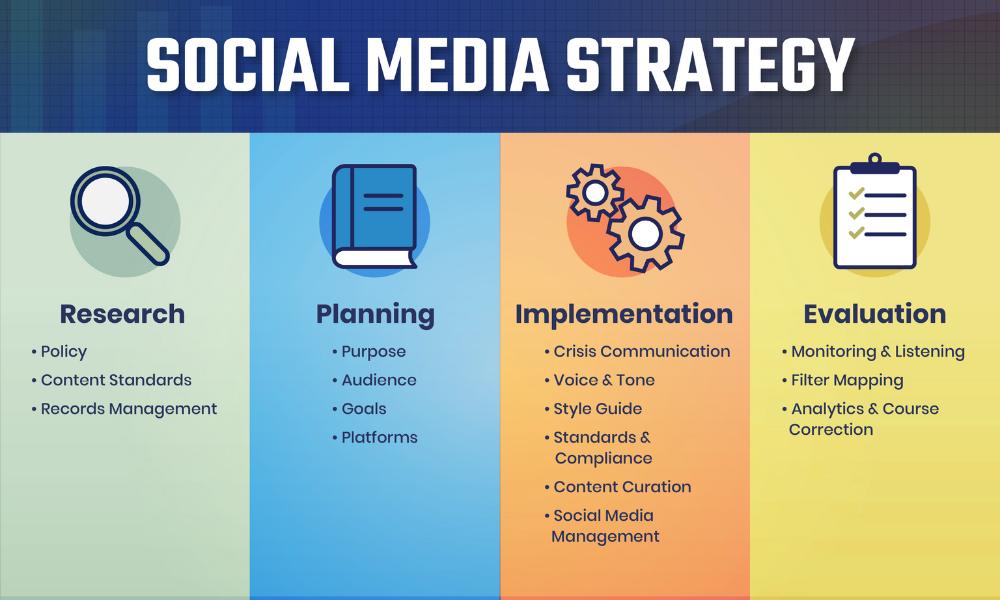
Growing a brand on social media isn’t about going viral—it’s about showing up, standing out, and staying consistent. It’s less about overnight success, and more about long-term visibility and meaningful connection.
I’ve helped both new and established brands shape their voice online, build real communities, and drive results. And no matter the industry, the process starts with the same thing: a smart, focused social media strategy.
Here’s exactly how I approach brand-focused strategy development—whether you’re just starting or looking to level up.
1. Clarify What Your Brand Stands For
Before creating a single post, you need clarity. What does your brand represent? What values guide your messaging? What do you want to be known for?
This might sound abstract, but trust me—clarity here saves a lot of guesswork later.
Start by answering:
- What are our brand values?
- Who is our ideal customer?
- What kind of tone or voice matches our identity?
Your answers will shape everything from your visuals to your captions.
If you need help with structuring your early-stage messaging, check out my beginner’s guide to social strategy.
2. Define Clear Goals for Social Growth

“Get more followers” isn’t a goal—it’s a vague hope.
I focus on real business outcomes:
- Increase website traffic from social by 25% in 3 months
- Generate 100 qualified leads from LinkedIn
- Grow Instagram engagement rate to 5% average
Your goals should align with broader marketing or sales targets. Social is a tool—it should be working toward something measurable.
Want to see how goal-setting ties into campaign performance? Here’s how I create strategies that deliver real results.
3. Focus on the Right Platforms, Not All Platforms
You don’t need to be everywhere. But you do need to be where your audience is.
Ask yourself:
- Where does my target audience spend time?
- Which platform fits our content strengths?
A B2B consultancy might do best on LinkedIn. A lifestyle brand might thrive on Instagram or Pinterest. The goal isn’t to copy what everyone else is doing—it’s to choose platforms where you can show up well and consistently.
If you’re a smaller brand, this practical small business guide may help you narrow it down.
4. Build a Visual and Voice Identity That’s Consistent
When someone scrolls through your feed, can they instantly tell it’s you?
If not, it’s time to define and stick to a visual system. That includes:
- Consistent color palette
- Branded graphics
- Clean, recognizable layouts
- Use of logos or icons
And don’t forget your voice. Whether it’s casual, professional, witty, or educational—it should be consistent across all channels.
Consistency across touchpoints plays a key role in creating engagement-focused content.
5. Create Content That Builds Trust and Authority
Not every post needs to promote a product or service. In fact, most shouldn’t.
I build brand-focused content around three categories:
- Educate: Share tips, frameworks, or industry insights
- Engage: Start conversations, ask questions, run polls
- Elevate: Showcase results, testimonials, client features
These build trust over time, which is exactly what you need if you want your brand to be memorable and credible—not just visible.
Learn about the key content elements that help maintain authority and connection.
6. Plan Ahead, But Leave Room to React
Planning a content calendar ensures consistency. But staying flexible keeps your brand relevant.
Here’s how I balance the two:
- Schedule evergreen content in advance
- Leave 20% of the calendar open for trending topics or real-time updates
This allows you to stay strategic and responsive—without scrambling last minute.
Need a framework for planning? Use my strategy template to streamline the process.
7. Use Data to Guide Growth, Not Just Guesswork
If you’re not tracking performance, you’re just throwing posts into the wind.
Here’s what I review regularly:
- Which content types are driving the most engagement?
- Where are we gaining (or losing) followers?
- Are website clicks and conversions increasing?
This kind of analysis doesn’t need to be complicated. Use built-in platform analytics and tools like Google Analytics or UTM parameters to track what matters.
If you’re ready to go deeper into analytics, take a look at how to apply data to your strategy.
8. Showcase Real People Behind the Brand
You’ve probably heard this before—but people connect with people, not logos.
That’s why I include human-centered content in every strategy:
- Team spotlights
- Founder stories
- Behind-the-scenes posts
- Customer success features
This doesn’t mean turning your account into a photo album. It just means showing a little more of what makes your brand feel real.
For examples, see how I help brands connect through human storytelling.
9. Align Social with Brand Campaigns and Launches
Your social media should never feel like an afterthought.
Every product launch, promotion, or campaign should include a full social rollout plan:
- Teasers and countdowns
- Launch day assets
- Post-launch reviews or testimonials
This approach gives your campaigns more reach, more momentum, and a better shot at conversions.
A step-by-step process like this one helps you create powerful campaign-ready strategies.
10. Stay Consistent, Then Stay Consistent Some More
The brands that win on social? They stick with it.
Even when growth is slow. Even when the algorithm changes. Even when no one seems to be watching.
Consistency beats viral every time.
Show up regularly. Stick to your voice. Keep adding value. That’s how brand growth happens—not overnight, but over time.
Need some help staying focused long-term? You might want to explore the top tips for sustainable strategy.
Final Thought
If you want to grow your brand on social, don’t chase attention—build intention.
Know your audience. Know your voice. Know your message.
And then show up for them—day after day—with content that connects, informs, and reflects the brand you’re building.
Ready to put all of this into action?
Start here: How to Develop a Social Media Strategy That Grows Your Brand