
I know—it’s easy to feel like every scroll is drowning in dance videos, pet reels, and motivational quotes. But beneath that chaos lies genuine opportunity. When I create a clear roadmap, even a modest brand can stand out and make a real impact.
In this guide, I’ll walk you through my process for building a clear, effective approach to social platforms—no jargon, no filler. You’ll gain:
- A solid understanding of what this kind of roadmap actually is
- Why having one matters more than posting randomly
- The exact steps I use when guiding first-time clients
- Common pitfalls and how to sidestep them
- Tools to streamline your work
- How to measure real progress
What Exactly Is This Type of Plan—and Why Should You Care?
Let’s simplify: It’s just a plan. One that outlines who your audience is, what you’ll say, and the result you want.
Without a plan, you’re posting at random. And that rarely leads anywhere meaningful.
I’ve watched small brands burn time and money trying to show up everywhere. Picking a focused roadmap keeps things on track—and measurable.
Check out how I help clients craft plans that actually move the needle: real results for social channels
My Step-by-Step Roadmap for Beginners
I use the same framework with every client who’s starting fresh. You don’t need a massive budget or a huge following—all you need is clarity and consistency.
Step 1: Clarify Your Primary Objectives
I always ask: What are we aiming at?
Is it email signups, site visits, or brand buzz? Choose one or two—don’t overload.
Real examples:
- Boost Instagram followers by 20% in 3 months
- Drive 500 LinkedIn visits this quarter
- Capture 50 email subscribers via Facebook
Not sure where to begin? This process is a great starting point: create-your-plan step-by-step.
Step 2: Define Who You’re Speaking To
Talking to “everyone” is like speaking louder into an empty room.
I suggest a simple profile:
- Age, gender, job, interests
- What frustrates them?
- What makes them smile?
- How do they spend free time?
Platform analytics help—though even reasonable guesses beat random guesses.
Step 3: Choose the Right Platforms for You
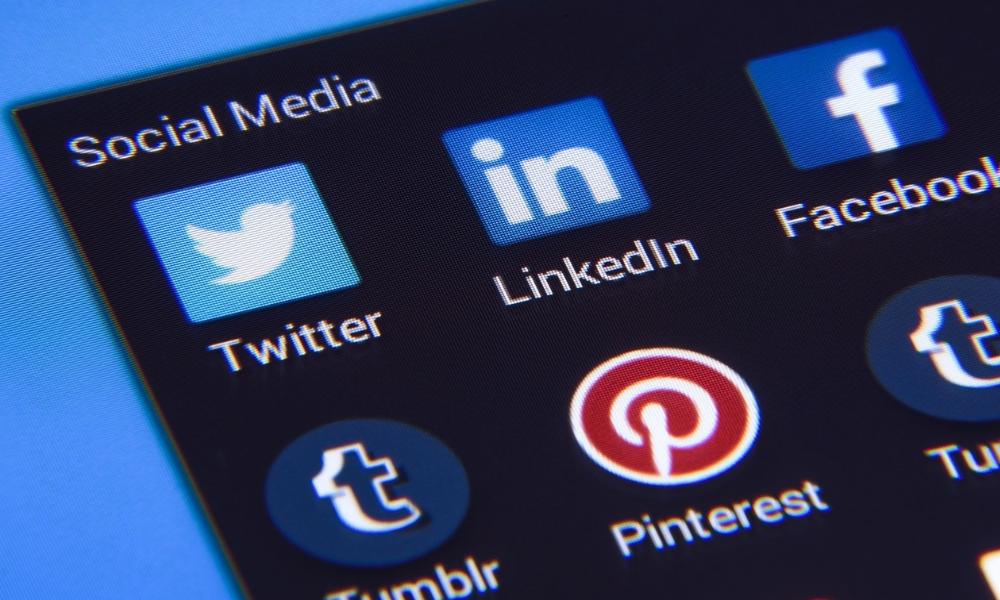
No need to be everywhere. You’ll burn out faster that way.
Here’s a quick guide:
- Instagram: Great for visuals, short videos
- Facebook: Best for groups, events, ads
- LinkedIn: Ideal for business discussions
- X (Twitter): Good for quick updates
- TikTok: Short, punchy video fans only
Step 4: Design Content That Resonates
I focus on three content types:
- Engage – polls, short queries, light-hearted posts
- Teach – quick tips, behind-the-scenes looks
- Promote – offers, freebies, or product intros
Consistency wins. If daily feels like a stretch, aim for three well-crafted posts per week.
Need help organizing? Here’s a helpful template: social roadmap template.
Step 5: Use Technology to Simplify Posting
You don’t have to hit “post” at 8:59 a.m. daily.
I rely on tools like:
- Meta Business Suite – easy multi-account support
- Buffer or Hootsuite – schedule across networks
- Canva – polished visuals without design skills
Try batching your work: spend an hour each week prepping posts. You’ll gain precious time later.
Step 6: Monitor Performance and Test Tactics
This is where most amateurs freeze—but I promise, it’s not that scary.
Track three key stats:
- Engagement (likes, comments, shares)
- Clicks (do people take the next action?)
- Follower growth (indicates reach)
Add UTM links to track site traffic. It’s geeky, yes—but worth it. For more on tracking your campaign impact: data-focused execution tips.
Step 7: Learn, Tweak, Improve
I treat every post as a test. If something’s flopping, I adjust.
- Switch post types and captions
- Try new visuals or longer formats
- Post timing shift
- Support top-performing content with ads
Think of it like optimizing a recipe: adjust one ingredient at a time, taste, repeat.
Common Mistakes Beginners Make (And How I Help Avoid Them)
I’ve helped many clients avoid these traps:
- Copying big brands—their budget is often 10× bigger
- Posting just to look busy
- Dismissing analytics because “they’re confusing”
- Treating every channel the same
- Ignoring comments or direct messages
I wrote more about this here: top rookie posting errors.
Handpicked Tools to Make Life Easier
Here’s what I recommend:
| Task | Tool |
| Scheduling | Buffer, Meta Business Suite |
| Creating visuals | Canva, Adobe Express |
| Analytics | Google Analytics, Meta Insights |
| Hashtags/video | Flick, RiteTag |
You don’t need every tool—just pick what fits your rhythm.
How You’ll Know It’s Working
Here’s what happens when your hard work pays off:
- You’re no longer scrambling for ideas
- Followers begin replying and resharing
- Growth is steady—maybe slow, but upward
- Clicks and leads start appearing
- You show up online with confidence—not dread
And yes, some posts will flop. That’s normal. I’ve been there too.
Advanced Tips to Stand Out
Here are a few extra moves I often use:
- Share UGC (user‑generated content). It builds trust and cuts content creation time.
- Repurpose your efforts. Record a short video? Turn it into a graphic, carousel, or blog excerpt.
- Host live events or Q&A sessions. Little effort, big engagement spike.
- Share micro-storytelling: quick personal or brand stories in comments or captions—humanizes your message.
- Follow seasonal trends—just once or twice a year—on relevant holidays or events. Don’t chase every viral meme.
Frequently Asked Questions
Do I need to post every single day?
Nope. Quality and reliability beat quantity. Aim for three solid posts each week.
How long until I see results?
Expect to wait 2–3 months for patterns to emerge. Real traction takes time, so be patient.
I don’t know which channel is best—any advice?
Go where your audience spends time. Not sure? Instagram and LinkedIn are good entry points for most professionals.
Wrapping Up (Without the Fluff)
Creating a plan for your online presence isn’t magic—it’s about steady progress.
Start small, repeat often, and check the data once in a while.
If you’d like more help crafting a custom roadmap, check out my latest guide for 2025: the ultimate planning reference.
And when you’re ready to turn followers into paying customers, this post offers the path: strategy that converts.