

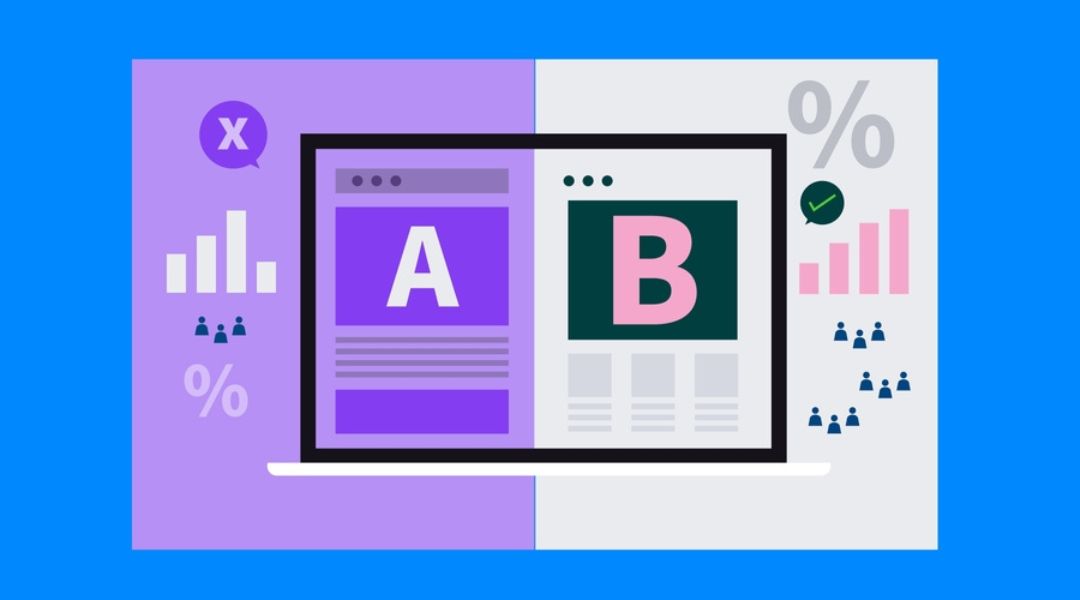
Running ads without testing is like lighting a match in the dark and hoping it finds the gas line. I’ve worked with brands that scaled fast—and those that plateaued. What separates them? One thing: a structured creative testing process.
In this guide, I’m walking you through how I run A/B tests that get actual results—better ROI, lower CPA, and smarter decisions for future creative.
This isn’t theory. It’s what I use in live campaigns to grow accounts with intention.
What You’ll Learn:
- How to prep for a clean, usable A/B test
- Which creative elements are worth testing first
- How to set up and launch tests (step-by-step)
- Metrics to track beyond just clicks
- Mistakes that wreck your results
- What to do with winning variants
- How to scale your learnings across campaigns
Let’s get started.
1. Start With a Single Objective
Before I run any test, I define one outcome.
- Do I want to lower my cost per lead?
- Improve click-through rate?
- Increase landing page engagement?
Choosing one objective keeps the test clean. If I’m tracking ten metrics at once, I end up with noise—not insight.
Tip: Always tie your objective to your business goal (not just what looks good on a dashboard).
2. Choose the Right Element to Test
Don’t test everything at once. I start with elements most likely to drive meaningful change.
Here’s what I test first:
- Headline – Direct benefit vs. emotional trigger
- Image/Video – Product in use vs. polished graphic
- Primary Text – Long vs. short, conversational vs. direct
- CTA Button – “Get Quote” vs. “View Pricing”
Need ideas on what to test based on platform? Check out my visual testing guide.
3. Set Up Your Test Properly
A messy test leads to useless results. I stick to this structure:
- One variable only (image OR headline OR text)
- Two ad versions: A (control) vs. B (variant)
- Even split of traffic, budget, and audience
- Identical settings except the variable being tested
- A fixed testing window—usually 7 to 14 days
Want a visual walkthrough? Here’s how I structure mine: Setup A/B Tests the Right Way.
4. Let It Run (No Mid-Test Tweaking)

Once it’s live, I don’t touch anything.
Even if results look skewed early on, I let it run long enough to gather statistically significant data. Usually:
- Small budgets: 10–14 days
- High traffic: 5–7 days can be enough
Early winners often reverse, and premature changes muddy the data.
More on timing? Read: How Long Should You Run a Test?
5. Track the Right Metrics
Clicks are easy to get. Results aren’t.
Here’s what I measure based on objective:
- Conversion Rate – The ultimate proof of success
- Cost per Acquisition (CPA) – Lower is better
- CTR – Useful only if followed by real action
- Scroll depth / engagement – For landing page or video tests
Need help analyzing results? This article explains how I decide what’s “significant.”
6. Avoid These Testing Mistakes
I’ve seen (and made) all of these. Don’t do this:
- Testing multiple variables at once
- Not hitting enough impressions or conversions
- Making changes mid-test
- Ignoring context like time of day or seasonality
- Declaring a winner too early based on CTR alone
If you need a full list of “what not to do,” bookmark this guide: Creative Testing Mistakes to Avoid
7. Scaling a Winning Variant
A winning ad is just the start. Here’s what I do next:
- Scale gradually – Increase budget 10–20% at a time
- Create new variants – Same structure, different angle
- Expand audiences – Test across segments or platforms
- Refresh before it fatigues – Stay one step ahead
Want to see what good testing looks like? These real examples show what worked—and why.
8. Don’t Just Test—Systemize It

One successful test is great. But systemizing testing is where scale happens.
Here’s what I build into every account:
- Monthly testing calendar
- Testing logs (so I don’t repeat failed ideas)
- Creative frameworks that evolve over time
- Feedback loops with design + copy teams
And if you’re wondering whether A/B or multivariate testing is right for your team, this post can help you decide.
Final Thoughts (and One Last Tip)
You don’t need to guess anymore. With the right setup, A/B testing becomes one of the highest ROI activities in any paid campaign.
Start simple. Run clean tests. Track the right metrics. And keep learning.
If you’re already running tests and not seeing results? I’d be happy to take a look.Need help building a testing roadmap? Start with my ultimate A/B guide—it walks you through it all.