

If “just post consistently” is the extent of your current social media strategy, I’ve got bad news—your competitors are probably eating your lunch.
Creating a strategic plan isn’t just about making your Instagram grid look nice or throwing money at ads and hoping for the best. It’s about connecting your goals to daily actions. And the best part? You don’t need to reinvent the wheel every time. That’s why I created a Social Media Strategy Template that helps businesses plan smart, execute efficiently, and win where it matters—results.
Let’s walk through how I use this exact template to map out campaigns, land clients, and deliver performance that actually means something.
What Makes This Template Different?
I didn’t design this to be “just another pretty PDF” that collects digital dust. My template is meant to work in real life—whether you’re flying solo or managing a team.
Here’s what it helps you do:
- Set clear, measurable goals tied to business objectives
- Choose the right platforms for your audience (not just the trendiest ones)
- Plan and schedule engaging content without burnout
- Track meaningful metrics (spoiler: not just likes)
- Adjust and improve your strategy over time
It’s not rocket science. It’s just structured thinking—and trust me, that alone will put you ahead of half the brands out there.
1. Define Your Objectives Like a Boss
Before touching a single post, I always start with one thing: Why are we doing this?
I’ve seen clients go months without a clear goal, only to wonder why engagement is flat or sales are stagnant. That’s why my template begins with SMART goals—Specific, Measurable, Achievable, Relevant, and Time-bound.
Examples:
- “Increase email sign-ups from Facebook by 30% in 90 days”
- “Generate 200 qualified leads via LinkedIn this quarter”
- “Boost story engagement by 20% in two months”
Every decision after this point flows from these goals. If it doesn’t move the needle, it doesn’t make the cut.
Need help shaping goals? I’ve explained that process more deeply in this article.
2. Choose Your Platforms Strategically (Not Emotionally)
“Should we be on TikTok?” is a question I hear more than I should. My response: Only if your audience is there and your content makes sense for it.
Instead of hopping on every platform, my template guides you through selecting channels based on:
- Where your audience is most active
- What kind of content they consume
- What fits your brand voice and bandwidth
For instance:
- B2B SaaS company? LinkedIn and Twitter/X are your bread and butter.
- E-commerce with a younger audience? Instagram and TikTok make sense.
- Local service business? Facebook and Google Business might carry more weight.
Less is more. Unless you enjoy stress.
If you’re not sure how to prioritize, I’ve broken it down step-by-step here.
3. Create a Lean, Mean Content Machine
This is the part where things usually get messy. Too many brands jump into content creation without structure, then burn out or go silent when results don’t show up fast.
I approach content with a few rules:
- Content pillars: 3–5 core themes that reflect your brand values and customer interests (e.g. education, testimonials, behind-the-scenes)
- Formats: Don’t post just one type. Mix carousels, videos, reels, lives, polls—based on what each platform favors.
- CTA clarity: Every post needs a purpose. “Click to learn more.” “Drop a comment.” “Save this for later.”
Consistency matters, but let’s not pretend every day needs to be a content party. My template includes a built-in monthly calendar you can reuse over and over.
For more on making your content count, I share tactical examples in this post on engagement.
4. Schedule Smarter, Not Harder
I love creative work. I do not love scrambling to post at 9 a.m. every day because I forgot to plan. Been there, got the t-shirt, and it wasn’t cute.
I schedule content in weekly or biweekly sprints using tools like Meta Business Suite, Buffer, or Later. That frees up my time for the real magic: responding, engaging, testing, and optimizing.
Batch your content. Schedule it. Then step back and breathe.
5. Track What Matters (Spoiler: Not Vanity Metrics)
So, your latest post got 100 likes. Cool. But how many people clicked the link? Bought the product? Joined the list?
I focus on KPIs like:
- Click-through rate (CTR)
- Conversion rate
- Engagement rate per impression
- Ad spend ROI
- Funnel movement (e.g., from awareness to lead)
Using UTM tracking, Google Analytics, and native platform analytics, I evaluate campaign performance regularly. This way, I can adapt fast—whether that means shifting budgets or tweaking creative.
If data makes your head spin, don’t worry—I explain how to make it work for you in this guide.
6. Optimize. Test. Win Again.
Even the best strategies need tweaking. I run monthly audits of content and ads to:
- Identify what’s working
- Retire underperforming content
- Adjust platform priorities
- Run A/B tests on CTAs, copy, visuals
Winning on social media isn’t about going viral once. It’s about compounding small wins over time.
7. Download the Social Media Strategy Template
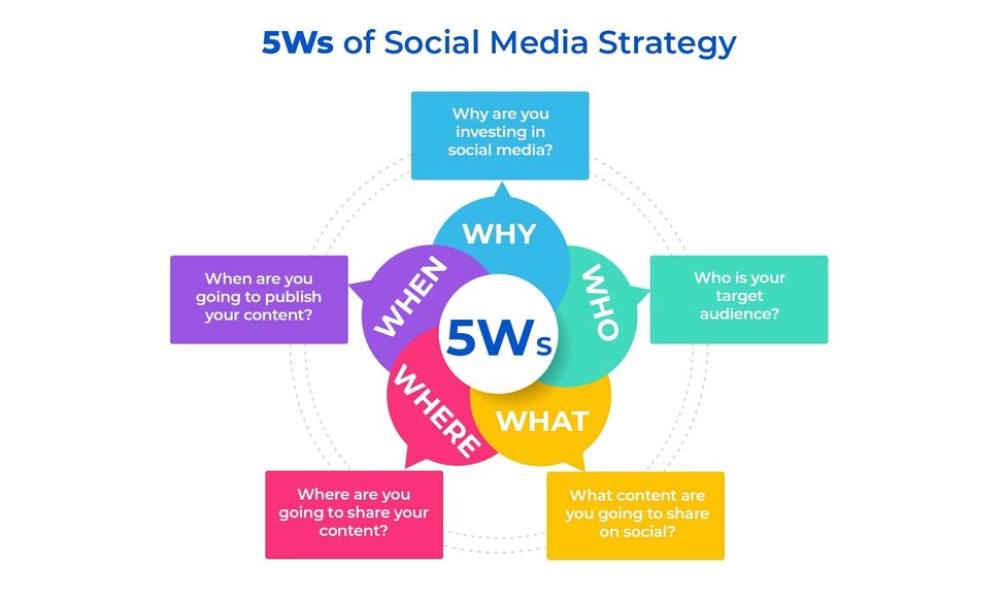
If this all sounds helpful but like a lot to manage, I get it. That’s why I built the Social Media Strategy Template.
You can download it here → Social Strategy Template
It includes:
- Goal-setting worksheets
- Channel evaluation grid
- Monthly content calendar
- Campaign planner
- Analytics dashboard prompts
Use it to organize your own business, pitch new clients, or just bring some sanity to your week.
Quick Recap (Because Your Time Matters)
Here’s what I covered:
- Why setting real goals comes first
- How to choose the right platforms
- Planning content that people actually want to engage with
- Automating and scheduling to save your sanity
- Tracking and optimizing for real business results
And yes—this entire process is built into the free Social Strategy Template. You’re welcome.
Last Word From Me
Winning with social media isn’t about being everywhere, posting all the time, or trying to game algorithms. It’s about strategy, plain and simple. And that’s exactly what this template is built for.
If you’re ready to stop winging it and start building a system that actually performs—download the template, plug in your business, and let’s get to work.
And if you want more tips, check out my guide to building strategies that deliver results. Because winging it is for birds—not brands.