Start With a Strategy, Not a Guess
Let’s be honest. Posting at random and hoping something goes viral isn’t a strategy—it’s stress with Wi-Fi.
I’ve spent the last 9+ years turning spaghetti-on-the-wall marketing into structured campaigns that deliver measurable growth. In this post, I’ll walk you through exactly how I do it—step by step—no jargon gymnastics, no fluff.
Here’s What You’ll Learn
- How I define goals that actually align with business outcomes
- Why understanding your audience beats chasing algorithms
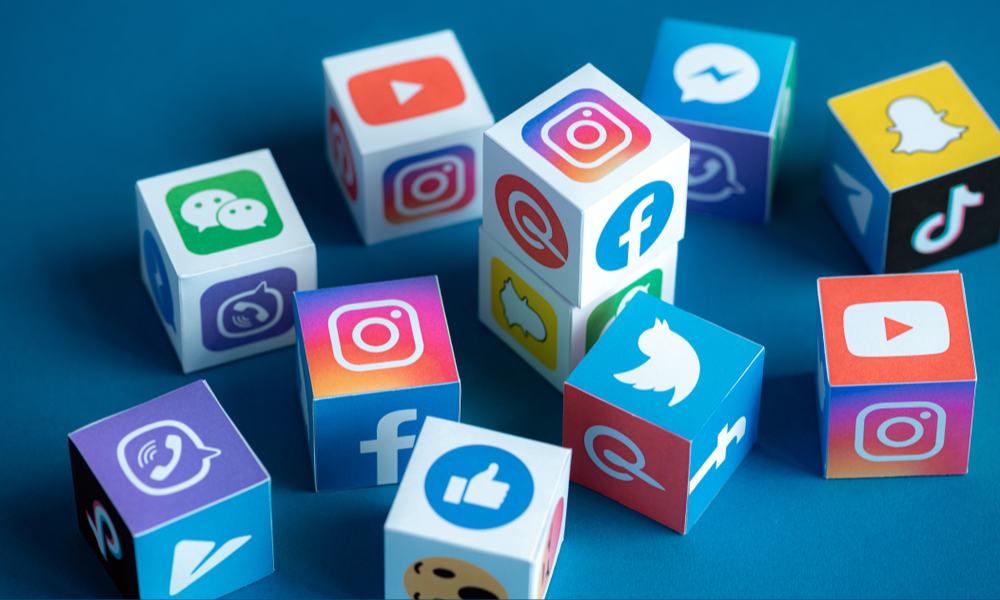
- Where your brand should (and shouldn’t) be posting
- How I build content strategies that engage, convert, and scale
- The tools and metrics I use to measure what’s working
- What to tweak—and when—to stay ahead of the curve
1. Define What You’re Really Trying to Achieve
First, I nail down goals that matter. Not “get more followers.” I mean real objectives like:
- Increase qualified leads by 15% in 3 months
- Grow email signups from Instagram by 20%
- Improve click-through rates on LinkedIn campaigns
I build these using the SMART framework—Specific, Measurable, Achievable, Relevant, and Time-bound. Simple concept, surprisingly underused.
Pro tip: “Engagement” isn’t a goal—it’s a metric. The goal is what the engagement leads to.
(Also, if this feels familiar, I’ve expanded on it in this post.)
2. Understand Who You’re Talking To

Before I post anything, I figure out who I’m talking to—and more importantly, what they care about.
I do this through:
- Analytics (Meta Insights, LinkedIn Demographics, GA4)
- Customer feedback and support tickets
- Social listening (yes, I scroll with purpose)
I don’t just create buyer personas. I build actual use cases. What keeps these people up at night? What do they wish someone would explain clearly?
Bonus: Check out this beginner-friendly post if you’re just getting started with audience mapping.
3. Choose the Right Platforms (Not All of Them)
No, you don’t need to be everywhere. You need to be where your people are.
Here’s how I decide where to focus:
- B2B? LinkedIn’s the winner.
- Visual-first brand? Instagram and TikTok.
- Looking to drive website traffic? Facebook still performs (yup, really).
Each platform has a distinct vibe—and so should your content on each.
I dive deeper into platform selection right here.
4. Build a Content Game Plan That Matches Your Goals
Now that I know who I’m talking to and where—I create a content plan that’s relevant and useful.
My strategy always includes a mix:
- Educational (how-to posts, tips)
- Entertaining (polls, memes—yep, they work)
- Promotional (products, offers, lead magnets)
- Social proof (testimonials, UGC, influencer collabs)
I also define “content pillars” and rotate topics like a playlist. You can check out my favorite formats in this piece.
5. Schedule Smarter, Not Harder
I don’t post every day manually. That’s what content calendars are for. I use scheduling tools (like Later or Buffer) to stay ahead.
Here’s how I schedule:
- I batch content weekly or biweekly
- I aim for consistency over quantity
- I monitor timing based on past engagement trends
Pro tip: Plan around campaigns—not just random Tuesdays.
If you’re building from scratch, grab the structure I use in this free template.
6. Use Paid Ads—Wisely
Boosting a post because it “feels good” is not a strategy. I only run ads when I have:
- A clear funnel goal (awareness, lead gen, or conversion)
- A/B testing variations (especially for creatives and CTAs)
- Enough organic data to know what works
I typically run campaigns on Meta and LinkedIn, and test budget performance weekly.
Want to get into the weeds? I break it down further here.
7. Track Results Like a Scientist (Without the Lab Coat)
Here’s what I actually track:
- Engagement rate (not just likes)
- Click-throughs (because traffic matters)
- Conversion metrics (sales, leads, form fills)
- Cost per result (for paid media)
I use Meta Business Suite, GA4, and UTM links religiously. No guessing.
For a deep dive into analytics, head over to this article.
8. Refine, Repeat, and Stay Flexible
Here’s the truth: strategies aren’t meant to stay still. I revisit mine monthly to:
- Audit what’s performing
- Kill what’s not
- Test new formats and posting times
My advice? Keep your ego out of it. If memes outperform your product shots, roll with it. Data wins.
I covered some common mistakes and how to fix them in this post.
Closing Thoughts: A Strategy Is a Living Thing
If you’ve made it this far, congrats—you’re not the average “post and pray” marketer.
Remember: the point of your strategy is results, not likes. It’s about reaching the right people, in the right way, with the right message—and doing it with consistency.
Keep it lean. Keep it useful. And if in doubt, keep it real.
Want to take this further? I break it all down step by step in this comprehensive guide.