

In social media marketing, performance doesn’t happen by accident—it happens by design. I’ve seen the difference between accounts that grow and those that simply exist. The common thread? A strategy that’s built on purpose, powered by data, and backed by real goals.
If your posts are getting likes from your mom and your agency partner but no one else, we need to talk.
Here’s what I’ll cover:
- What separates high-performing strategies from “meh” efforts
- How to define clear goals without overcomplicating things
- What audience research actually means (hint: it’s more than checking what hashtags are trending)
- Creating content people want to engage with—not scroll past
- How paid campaigns fit into the bigger picture
- Why analytics matter (and how to use them without needing a PhD)
Let’s get into it.
1. Start With Goals That Actually Mean Something
Before you start posting memes or running ads, ask this: What am I trying to achieve?
Maybe you want to increase qualified leads. Maybe it’s about improving engagement. Whatever the outcome, your goals need to be specific, measurable, and tied to actual business objectives. I keep things clear: fewer vanity metrics, more conversions.
Need help getting goal-setting right? I’ve broken it down in this article on aligning social media with business goals.
2. Know Who You’re Talking To (No, Seriously)
I don’t mean “millennials who love coffee.” I mean digging into:
- Demographics (age, job title, location)
- Behaviors (what content they save, when they scroll)
- Platforms they use (LinkedIn ≠ TikTok)
Use audience insights from Meta, Google Analytics, and your own CRM data to build out real personas. It’s not just research—it’s the roadmap for content, timing, and tone.
Want a full walkthrough? Here’s a step-by-step guide to building a strategy that starts with audience deep dives.
3. Create Content That Deserves Attention
Content should stop thumbs. It should also start conversations. I focus on:
- Mixing formats: carousels, Reels, polls, long-form posts, and a healthy dash of memes (where appropriate).
- Writing for the platform: Your LinkedIn post shouldn’t sound like your Instagram caption.
- Having a clear call to action: “Like” isn’t a strategy. Getting people to do something is.
People don’t follow brands—they follow value. You’re either educating, entertaining, or being ignored.
Struggling with this? You might enjoy my beginner-friendly strategy breakdown.
4. Fuel Your Strategy with Smart Paid Campaigns
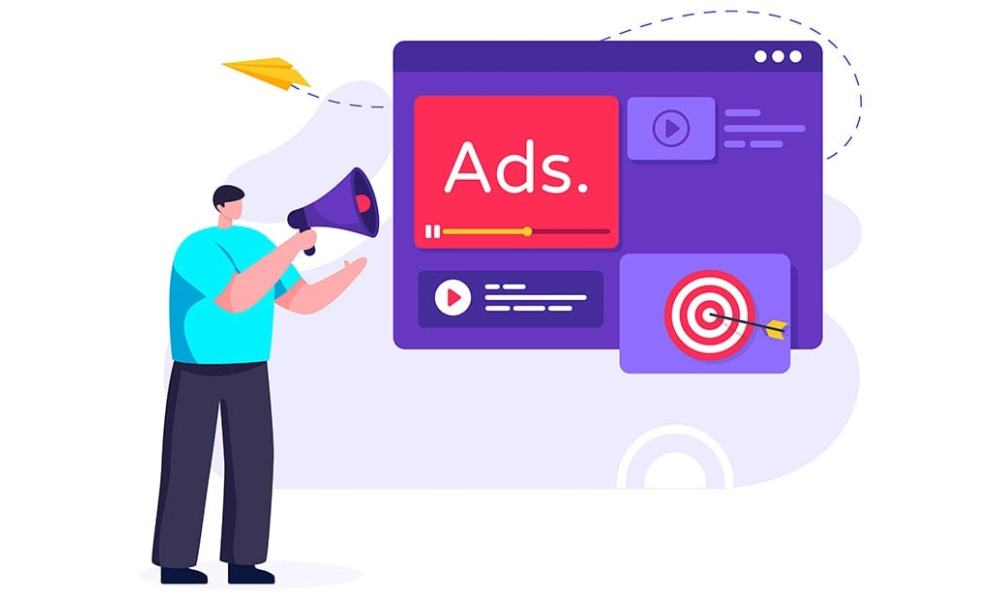
Organic content builds community. Paid content scales it.
I treat paid ads like an investment, not an afterthought. Here’s how I approach it:
- Set objectives: lead gen, awareness, traffic? Pick one.
- A/B test everything: visuals, copy, audiences.
- Use retargeting to win back window-shoppers.
I keep an eye on spend vs. results daily. If it’s not converting, I fix it. If it’s working, I scale it.
This approach pairs well with the tips I shared in this article on strategy + conversions.
5. Schedule With Strategy, Not Stress
Posting randomly? That’s not strategy—that’s hope.
I use content calendars to map:
- Weekly content themes
- Seasonal campaigns
- Launch timelines
- Frequency guidelines (no, posting 3x a day on LinkedIn isn’t the move)
Tools like Notion or Meta Business Suite help, but planning starts with knowing why you’re posting—not just when.
6. Don’t Just Post—Engage
Social media is supposed to be… well, social. Here’s what I do:
- Reply to comments and DMs fast
- Acknowledge shares and feedback
- Use polls and Q&As to spark back-and-forth conversations
I call it community maintenance—because growth without engagement is just noise.
If you’re unsure where to begin, I’ve shared a practical framework in this guide for small businesses.
7. Measure What Matters (No, Really)
No strategy is complete without performance tracking.
I don’t drown in spreadsheets, but I do track:
- Engagement rate
- CTR
- Conversion attribution
- Cost per result (for paid)
Analytics tools like Meta Business Suite, UTM tracking, and GA4 help me see what’s working—and what needs a rethink.
I’ve laid out how to track ROI like a pro in this post about using analytics.
8. Stay Flexible (Because Algorithms Don’t Care About Your Plan)
No matter how good your plan is, platforms change. Algorithms shift. Audience behavior evolves. (And yes, Twitter might become something else again next week.)
I regularly review:
- Which formats are getting traction
- What times are seeing the most engagement
- How competitors are adjusting
This isn’t about chasing trends—it’s about being adaptable without losing your brand voice.
And if your strategy feels stale, here’s how I simplify things without burning it all down.
Quick Recap (Because You’re Busy)
If your social strategy isn’t driving results, here’s what you might be missing:
- Clear goals tied to your business
- Real audience insights
- Scroll-stopping content
- Smart ad spend
- A plan to post consistently
- Active engagement
- Solid tracking and analytics
- The ability to pivot when needed
Got all that? Good. If not, this article digs into it even further.
FAQs (Because You’re Probably Wondering)
How often should I post?
Aim for consistency over volume. 3-5x/week is usually a safe starting point—adjust based on what your audience responds to.
What platforms should I focus on?
Where your audience hangs out. B2B? LinkedIn. B2C lifestyle? Instagram. Don’t be everywhere—be effective somewhere.
How do I measure success?
Engagement rate, conversions, and ROI. Not just likes. Not just followers. Tie your metrics to real goals.
What if nothing is working?
Start small. Audit what’s underperforming. Simplify. And maybe check out this post on common mistakes.