

As a small business owner, you already know social media is more than memes and hashtags—it’s a direct line to your customers’ minds (and wallets). But here’s the catch: posting randomly and hoping something sticks is like throwing darts in the dark. I’ve worked with enough brands over the years to know this for a fact—a clear strategy is what separates social success from social stress.
This guide walks you through everything I use when building strategies for clients—from setting your first goal to analyzing your last post. No fluff. Just the practical stuff you can use right now.
Here’s what I’ll cover:
- Why small businesses need a social media strategy
- Step-by-step breakdown of a strategy that actually works
- Platform-specific tips without the guesswork
- How to create content your audience actually wants to see
- A few things most businesses forget (don’t be that brand)
- Common traps to avoid—and what to do instead
- How to measure what’s working (and fix what isn’t)
Why You Need a Strategy—Not Just a Presence
Let’s be honest: anyone can open an Instagram account. But how many small businesses are actually seeing a return from their effort?
Without a plan, you’re just throwing content into the void—and hoping your mom shares it.
With a strategy, though? You get consistent engagement, relevant traffic, and actual customers.
I covered this deeper in Why Every Business Needs a Strong Social Media Strategy if you want to dig in.
Step 1: Get Clear on What You’re Trying to Achieve
Start with the basics: Why are you on social media?
Is it for brand awareness? Driving traffic? Booking appointments? Choose 1–2 real goals and focus everything around them.
Pro tip: Don’t chase followers. Chase the right ones.
Use SMART goals to make them stick:
- “Grow Instagram engagement by 20% in 90 days”
- “Get 100 newsletter signups from Facebook in 3 months”
Set goals that mean something to your business, not just your ego.
Need help defining real goals? You’ll like this post on creating a social media strategy that delivers results.
Step 2: Know Who You’re Talking To
If you’re posting for “everyone,” you’re reaching no one.
Here’s what I do with every new client:
- Look at your current customers (age, interests, location)
- Use analytics tools to see who’s already engaging
- Build 2–3 customer personas you’d actually want to grab coffee with
Make your content feel personal—even if you’re speaking to hundreds.
And yes, memes are allowed if they’re on brand.
Step 3: Choose the Right Platforms (And Ignore the Rest)
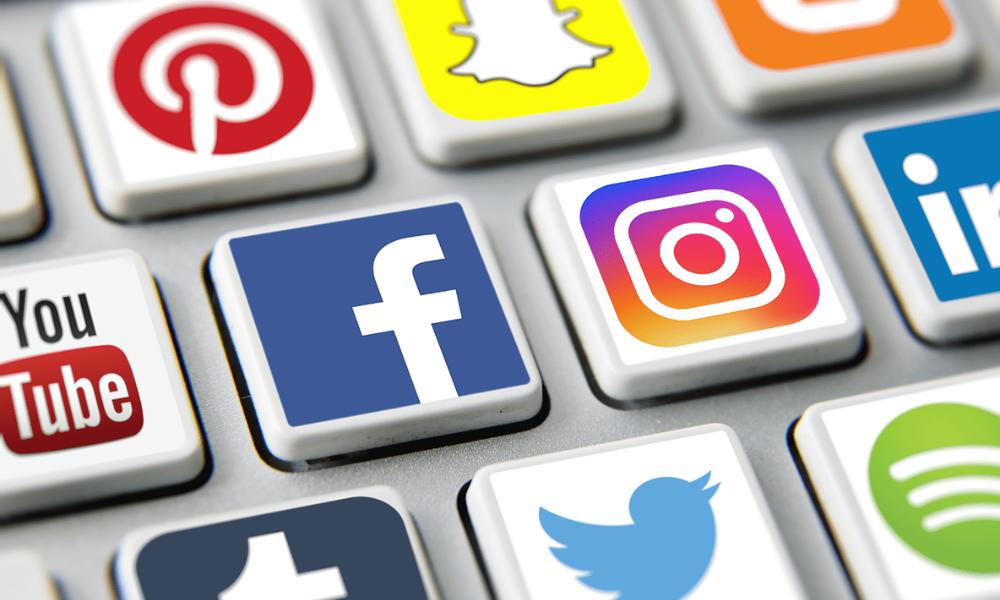
You don’t need to be everywhere. You just need to be where your people are.
Here’s a quick cheat sheet:
| Platform | Best For |
| Local engagement, groups | |
| Visuals, product showcases | |
| B2B, services, credibility | |
| TikTok | Younger audience, quick tips |
| X (Twitter) | Quick news, thought pieces |
Trying to be on five platforms with one person on your team? That’s a fast track to burnout—and bad content.
Start with one or two. Nail them. Then expand.
If you want more on choosing platforms, I walk through that in my beginner’s guide.
Step 4: Build a Content Plan That Doesn’t Feel Robotic
Random posting = random results.
I create monthly content calendars that do 3 things:
- Mix post types (education, promo, fun stuff)
- Include CTAs (calls to action) on most posts
- Stick to a consistent brand voice
Tip: Don’t sound like a press release. Sound like a person. Your audience already has enough boring in their feed.
You can grab a more detailed framework from my social strategy template guide.
Step 5: Use Tools That Actually Save You Time
Here are the tools I use regularly:
- Meta Business Suite (free, and pretty solid for Facebook/IG scheduling)
- Canva (easy design work, no designer needed)
- Buffer or Hootsuite (if you’re managing multiple platforms)
Also: schedule your posts in advance, but leave room for timely content. You never want to be “that brand” posting about National Avocado Day during a major industry crisis.
Step 6: Don’t Be Scared of Ads
Yes, organic content matters. But if you’re only relying on it in 2025, you might be waiting a while.
The good news: Ads don’t have to be expensive. With a small budget, you can:
- Boost top-performing posts
- Retarget website visitors
- Run local awareness campaigns
Just don’t click “Boost Post” and call it a day. Take five extra minutes and set it up properly.
You’ll thank me later.
Step 7: Look at the Data (Even If You Hate Numbers)

I won’t lie—analytics aren’t sexy. But they are necessary.
Here’s what I always track:
- Engagement rate (likes, comments, shares per follower)
- Link clicks (are people doing something?)
- Follower growth (steady beats viral)
- Top posts (do more of what’s working)
Use tools like Meta Insights or Google Analytics. No spreadsheets needed unless you’re into that.
More on that in my guide on data-driven social strategy.
Watch Out for These Common Traps
Let me save you from some classic missteps:
- Posting and ghosting (reply to comments, please)
- Inconsistent branding (your vibe matters)
- Ignoring analytics (see above)
- Trying to sound “cool” instead of clear
- Overusing automation (robots don’t build relationships)
Want more? I rounded up some of the most common mistakes right here.
Final Thoughts: Strategy First. Always.
Social media won’t magically grow your business overnight—but with the right strategy, it becomes a reliable engine for growth.
Start small. Stay consistent. Test and adjust.
And if you ever catch yourself posting just for the sake of posting? Take a step back, review your goals, and revisit your plan.
For more hands-on help, check out my full guide to social strategy creation or this step-by-step breakdown I use with clients every week.