
If “just posting for engagement” is the extent of your current social media strategy, I’ve got news—it’s probably not moving the needle on your actual business goals.
Aligning social content with what really matters—leads, revenue, brand growth—takes more than trendy reels and clever captions. It’s about strategy, not guesswork. And here’s the good news: you don’t have to start from scratch every time.
That’s why I created a framework for aligning social media strategy directly with business objectives. It’s helped me design smarter campaigns, communicate ROI clearly, and drive results that make stakeholders pay attention.
Let me walk you through exactly how I use this approach to turn social media from a “nice-to-have” into a growth engine.
What You’ll Learn From This Post
- How I turn business goals into measurable social media objectives
- Why platforms matter (and how to choose the right ones)
- What content types map best to each goal
- How to track what’s working (and stop what’s not)
- A few mistakes I’ve seen brands make—and how you can dodge them
1. Start With the Business Goals—Not the Hashtags
I never begin by asking, “What should we post?” I start with: “What are we trying to achieve?”
Are you chasing brand awareness, lead generation, sales, or maybe customer loyalty?
Once that’s clear, it’s easier to reverse-engineer your social media plan. For instance, when I worked with a client aiming for lead growth, we prioritized value-packed landing pages and retargeted ads—not just pretty Instagram posts.
The goal should shape the entire direction of your strategy. Not the other way around.
Related: This post breaks down how to set a strategy that actually delivers results
2. Know Who You’re Talking To (Seriously, Don’t Skip This)
You can’t align your strategy if you don’t know who’s on the receiving end. That’s where your target audience comes in.
I like to dig into both demographics (age, gender, location) and psychographics (pain points, goals, buying behavior). The tools are right there: Meta Insights, Instagram’s dashboard, LinkedIn Analytics. No excuses.
Funny thing? A campaign I thought was tanking turned out to be wildly successful—just not with the age group we assumed. Data doesn’t lie.
If you’re still guessing who your audience is, your strategy is guessing too.
You might also like: The beginner’s guide to building your strategy from scratch
3. Pick the Right Platforms for the Right Purpose

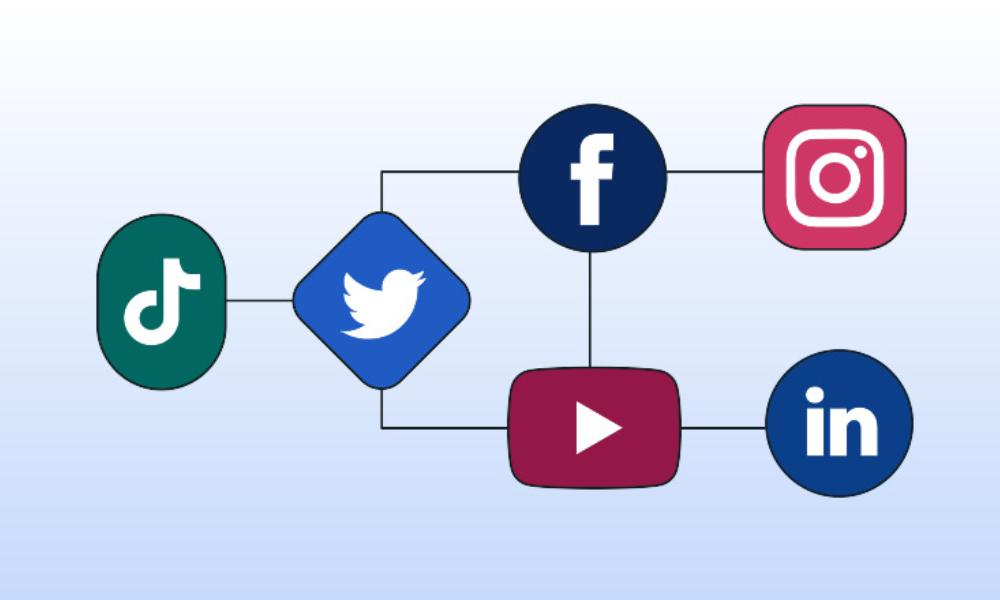
Just because a platform exists doesn’t mean your business needs to be there. I’ve seen brands waste time trying to “go viral” on TikTok when their buyers are reading LinkedIn posts at 7 AM with their coffee.
Here’s how I typically approach it:
- Instagram & Facebook: Visuals + engagement. Perfect for awareness and community building.
- LinkedIn: Lead gen, thought leadership, B2B goldmine.
- X (Twitter): Fast-paced, customer service, brand voice.
- YouTube: Education, product explainers, long-form authority.
Focus where your people are—and where they’re willing to listen.
For more tips: My strategy guide for small businesses nails this part
4. Map Each Goal to Content That Performs
If you want conversions but keep posting “fun facts,” that’s like trying to win a race by dancing. Entertaining, but not effective.
Here’s how I align content with goals:
- Awareness = short videos, viral trends, reels, carousels
- Engagement = polls, Q&As, community replies, giveaways
- Leads/Sales = testimonials, product demos, limited-time offers
- Retention = behind-the-scenes, loyalty stories, personalized content
Quick tip: Keep your CTAs specific and tied to your goal. “Click here” is boring. Try “Get your free demo” or “See how it works.”
5. Set Metrics That Actually Matter
Here’s my golden rule: If you can’t measure it, you can’t manage it.
I pick KPIs based on the business goal. For example:
- Awareness? Look at reach, impressions, new followers.
- Sales? Check conversion rate, link clicks, return on ad spend.
- Engagement? Track comments, shares, saves—not just likes.
And no, “We got 10k views” isn’t a win unless it led somewhere. I use Meta Business Suite, UTM tags, and Google Analytics to keep everything connected.
Dive deeper: How data drives every successful strategy I build
6. Distribute Content Like It Deserves to Be Seen
Creating content is half the job. Getting it seen? That’s where the magic happens.
Here’s my go-to distribution flow:
- Organic: Regular posts, stories, email list mentions
- Paid: Boosted posts, Meta Ads, retargeting campaigns
- Cross-channel: Share blog snippets on LinkedIn, turn YouTube videos into Instagram clips, embed content into newsletters
If a post flops organically, it won’t suddenly become a unicorn with ad spend. I test, tweak, and re-use only what works.
Tip: My social media strategy template has a reusable format for content planning.
7. Avoid These Common (and Costly) Mistakes
Here’s where most businesses trip up:
- Posting without a goal – You need a strategy, not a schedule.
- Measuring the wrong stuff – Impressions aren’t income.
- Trying to be everywhere – You’ll spread yourself thin and get nothing back.
- Ignoring feedback – Your audience is already telling you what works. Are you listening?
One brand I worked with went from 3% to 14% engagement simply by ditching automated posts and starting conversations.
Learn from others: My breakdown of common strategy mistakes
8. Stay Flexible (No Yoga Required)
Social media shifts fast. What worked last quarter might not hit today.
So, I build room to pivot. Monthly audits, quarterly resets, and yes—an occasional meme test (because hey, sometimes funny sells).
But no matter how the trends change, the goals don’t. The job is to adapt the strategy—not the mission.
Wrap-Up: Strategy That Serves the Business
If there’s one thing I’ve learned after 9+ years doing this, it’s that business goals drive marketing—never the other way around. A good social media strategy doesn’t just look good. It performs.
When your posts, platforms, and plans all point toward clear business outcomes, results aren’t a maybe—they’re inevitable.
Want to align your own strategy with business goals that matter?
Let’s talk. Or better yet, check out this step-by-step guide I built to help you get started.