
Intro (Keep it Short, Keep it Real)
Hashtags aren’t just symbols. They’re signals.
Signals that help your content reach the right people—at the right time.
If you’re treating hashtags like decorative sprinkles on your posts, we need to talk.
Because in 2025, hashtag strategy and trend awareness aren’t optional—they’re fuel for your digital presence.
In this guide, I’m going to show you exactly how I research hashtags, track social trends, and integrate them into campaigns that actually perform.
What You’ll Learn in This Guide
- How I research hashtags that drive reach (without guessing)
- Where and how I find trending topics worth tapping into
- The tools I rely on (and the ones I avoid like expired milk)
- How to integrate hashtags and trends into content without looking desperate
- Metrics I track to see what’s working—and what’s just noise
1. Let’s Start with the Basics—What Are Hashtags Really For?
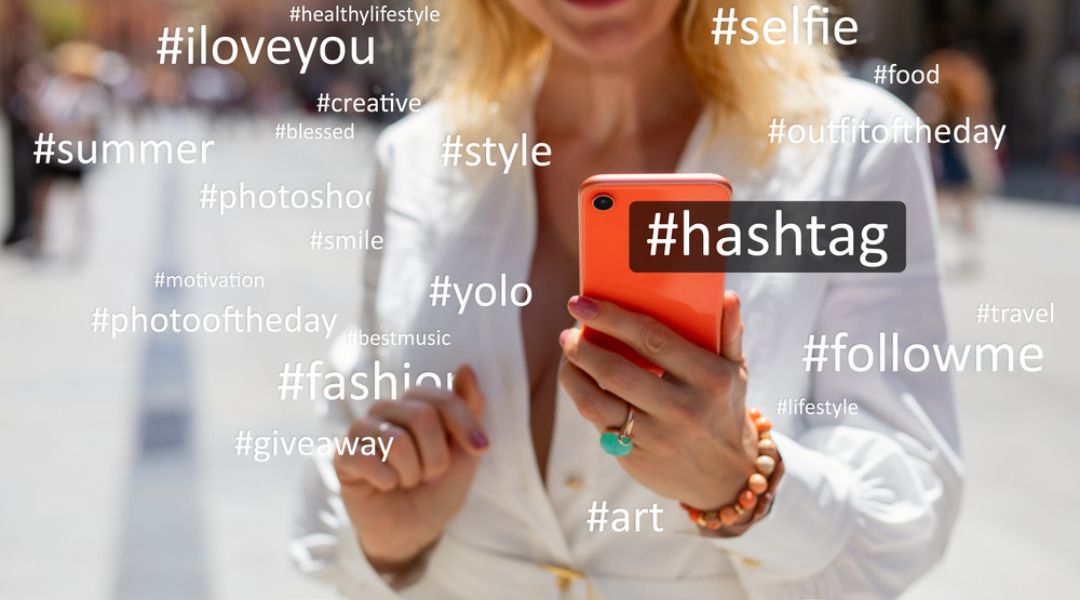
Hashtags help people find your content. That’s their only job.
And when you use the right ones, your reach, engagement, and visibility improve—sometimes overnight.
But it’s not about using more. It’s about using smarter.
If you’ve ever wondered how many is too many, I broke that down right here.
2. My Step-by-Step Hashtag Research Process
No guesswork. No random keyword stuffing. Here’s how I dig:
- Step 1: Define the goal—am I chasing awareness, leads, or clicks?
- Step 2: Use tools that tell me what’s working now (hint: these tools are my go-tos)
- Step 3: Research hashtags by platform. What works on TikTok won’t fly on LinkedIn.
- Step 4: Analyze volume, competition, and actual engagement.
Spoiler: High-volume hashtags aren’t always your best bet.
I also use this guide when I need to dial in for niche audiences.
3. Trend Integration—Why Timing Beats Creativity
Yes, your brand voice matters. But if it’s out of sync with current conversations, you’re yelling into the void.
I track trends daily using dedicated tools and social listening feeds.
If you’ve ever wondered how some brands always seem “on trend”, it’s because they are—on purpose.
Need proof? Check this out: Trend Integration 101
Here’s how I know when to jump on a trend:
- Is it relevant to the brand or product?
- Is there a creative angle that feels authentic?
- Can I add to the conversation, or am I just echoing?
Also, not every viral dance deserves your attention. Unless you sell knee pads. Then, maybe.
4. Tools I Actually Use (No Sponsored Picks)

I keep it simple. These tools are on my dashboard daily:
- AIM Insights – real-time performance and hashtag forecasting
- TrendSpotter – lightweight, alerts-based trend tracking
- TagMaster – AI-assisted + integrates well with content planning
Want the full breakdown? Here’s a rundown I wrote on my top picks.
I don’t use 10 tools. I use 2–3 and actually use them. That’s the difference.
5. Integrating Hashtags and Trends Without Screaming for Attention
Subtlety wins. When I use trending tags, I blend them into content that makes sense—content that leads with value first.
Here’s my checklist before using any trend:
- Does the trend fit the tone of the brand?
- Can I tie it to a product or insight organically?
- Would my target audience care?
If I answer “meh” to any of those, I move on.
See how I do this practically in this case breakdown.
6. Platform-Specific Moves (Because One Size Never Fits All)
Instagram:
Mix of branded + niche + trending tags. Keep it under 15 per post.
Pro tip: use hashtag stacking for better algorithm exposure.
TikTok:
Use trending hashtags as part of the content structure—not as an afterthought. Timing matters more than anything here.
Facebook & LinkedIn:
Fewer tags, more clarity. Keep them focused on industry or thought leadership angles.
Want platform-specific strategy? I covered that here.
7. Mistakes I See All the Time (And How You Can Dodge Them)
- Using every trending hashtag you see (bad look—it screams spam)
- Ignoring your niche for mainstream trends (you’ll just blend in)
- Copy-pasting hashtags without context (audiences notice, trust me)
Want to know what else to avoid? I listed them here.
8. Measuring Performance (Because Vanity Metrics Don’t Pay the Bills)
Here’s what I track every week:
- Engagement per hashtag group
- Click-through rates from trend-based posts
- Follower growth vs. trend usage
Use UTM parameters and native platform analytics.
Yes, it takes 10 minutes. Yes, it’s worth it.
I break this down in my trend visibility playbook.
9. What’s Coming Next? Hashtags & Trends in 2025
- AI will predict trends before they peak
- Micro-influencers will drive niche-specific hashtag waves
- New platforms (or features) will reshape how we tag and trend
If you want to spot trends before everyone else does, read this.
Also, don’t sleep on seasonality—plan your hashtags year-round and avoid the scramble.
Closing Thoughts
Hashtag research and trend integration aren’t magic. They’re systems.
Ones I use every day to grow reach, drive conversions, and keep brands relevant.
Whether you’re just getting started or refining your process, the key is to be intentional.
Pick the right tools. Time your trends. And—please—stop using #blessed on brand posts (unless you’re literally selling blessings).Looking for help building a full social media strategy that works?
Let’s talk.