By Khairul Hasan | Digital Marketing Strategist
Trends move fast. Blink, and you’ve missed the moment—and your chance at engagement.
The trick? Don’t chase every trend. Integrate the right ones, the right way, at the right time.
That’s what I’m going to show you today: how I spot, filter, and align trends with content that feels native, not forced.
Because nothing says “we’re trying too hard” like jumping on a meme that peaked three weeks ago.
What You’ll Learn in This Guide
- Where I find real trends (not recycled fluff)
- How I decide if a trend fits my brand or not
- The tools I use for real-time tracking
- How I integrate trends into content naturally
- Red flags that tell me to stay far away
1. First: What Counts as a “Trend”?

Let’s clear something up. A trend is not just a viral dance or a funny meme (although those count too).
Trends can be:
- Cultural moments (e.g., AI adoption in marketing)
- Industry shifts (e.g., LinkedIn video finally getting traction)
- Platform features (e.g., Threads, TikTok SEO)
- Content formats (e.g., short-form educational carousels)
- Events or awareness days (if they match your space)
Bottom line? If people are talking about it and it aligns with your content mission, it’s worth exploring.
2. Why Trend Integration Works (When Done Right)
Because people want timely content. Period.
Trends create context—and when your brand shows up at the right time, you don’t just get impressions. You earn relevance.
When I integrate trends strategically, I see:
- Higher engagement rates
- Increased shares and saves
- Better algorithm performance
- Greater visibility beyond followers
It’s not magic. It’s timing + alignment + creative execution.
Need examples of how I blend hashtags and trends effectively? Read this guide.
3. Where I Spot Trends (Hint: Not Just on Your Feed)
Trends don’t always start on your favorite platform. I use a multi-source system to catch them early.
My Sources:
- Twitter/X Trending Topics – great for real-time signals
- TikTok Discover Page – audio, challenges, formats
- LinkedIn News – curated business & industry updates
- Google Trends – see what the world is searching for
- Subreddits in your niche – unfiltered audience discussion
- AIM Insights – real-time tracking & prediction (yes, it’s in my daily workflow)
Want a breakdown of tools I use to track hashtag trends too? Here’s my list.
4. My Trend Vetting Checklist
Not every trend deserves your energy. Here’s how I vet what’s worth integrating:
Is it aligned with my audience or offer?
Can I bring a unique take (not just a repost)?
Do I have time to respond while it’s still fresh?
Will the tone of this trend fit my brand voice?
Is it already saturated with low-effort content?
Will it feel out of place or off-brand?
If it checks 3 out of 4 positives, I move forward.
If you need help identifying trends in your industry, this might help: Industry-specific hashtag tips
5. How I Integrate Trends Without Looking Desperate

This is the part that trips up a lot of marketers. You don’t need to hijack trends—you need to contribute to them.
Here’s how I do it:
- Contextual relevance – tie the trend to a current service, product, or insight
- Format-first – adapt your format (video, carousel, reel) to match what’s trending
- Timing – trends move fast. If you can’t execute in 24–48 hours, it might not be worth it
- Tone-matching – funny trends work… if your brand has a sense of humor
- Visual cues – update thumbnails, post design, or music to reflect trend culture
For even faster response, I use templates and pre-built creative structures. Saves me hours.
6. Platform-Specific Trend Tips
Watch trending reels, templates, and sounds. Adapt fast. Bonus: tag-based discovery still works, so pair trends with strong hashtag sets.
TikTok
This is where most trends start. I spend 10 minutes a day watching what’s gaining traction in my niche. The trick? React early, not perfectly.
Trends here lean toward industry shifts, tools, leadership themes, and economic news.
Great place to integrate opinion-based posts or thought leadership that taps into cultural narratives.
Twitter/X
Use it for real-time trend discovery. But act fast—trends here have a 24-hour half-life.
7. Mistakes to Avoid (Please)
- Jumping on every trend
You’re not a trend account. Choose what fits. - Trying to be funny when your brand isn’t
Forced humor kills credibility. - Ignoring trend context
Using a hashtag or audio without knowing what it really means = awkward at best, offensive at worst. - Missing timing by days
If you see it everywhere, you’re probably already late.
Need to polish your hashtag use while you’re at it? Here’s how to use trending hashtags the smart way.
8. Tools I Use to Track Trends in Real-Time
Let’s be real—if you’re still relying only on what your feed serves up, you’re behind. These tools help me stay ahead:
- AIM Insights – real-time alerts + predictive tagging
- TrendSpotter – lightweight and clean for social trend alerts
- Google Alerts – not fancy, but reliable for keywords + events
- BuzzSumo – content trends by engagement rate
Pair this with my trend boost workflow and you’ll be ahead of 80% of marketers.
9. Timing + Trends = Visibility (Every Time)
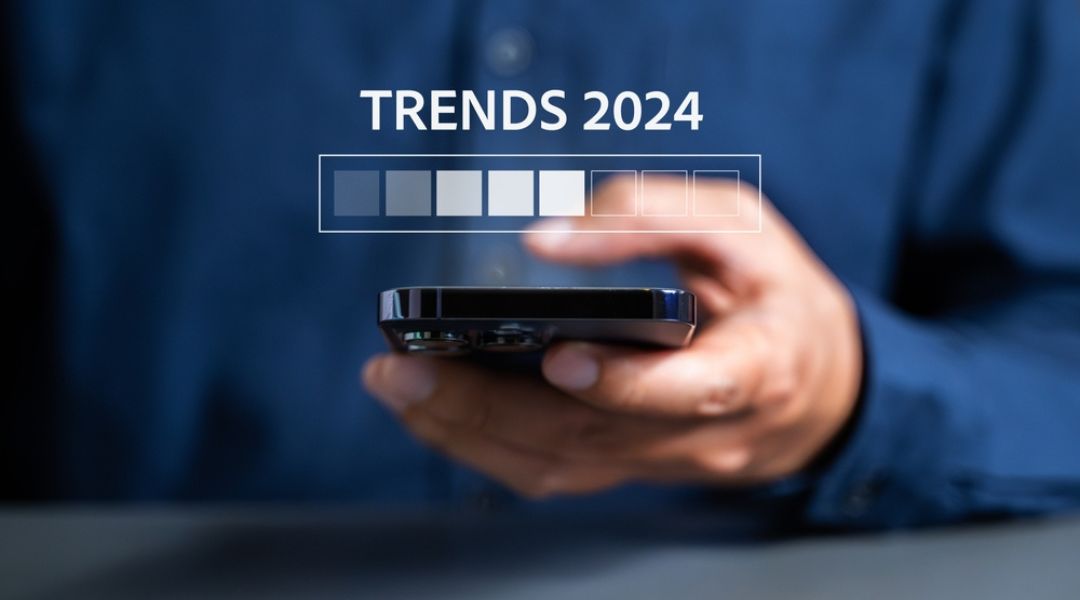
If you time a trend right, you can:
- Reach people beyond your followers
- Earn better algorithm ranking
- Get reposted or curated
- Ride organic traffic waves
But miss the window? You’re just another voice shouting late.
To get better at this, I plan seasonal moments and use a flexible content calendar. You can do the same with this guide: Seasonal trend integration.
Closing Thoughts
Trend integration isn’t about being trendy. It’s about being timely and relevant to the people you serve.
Done well, it boosts visibility, earns engagement, and makes your content feel like it belongs right now.
Done poorly, it feels forced—and your audience will scroll right past.
Focus on trends that align, react quickly, and speak with your brand’s voice. The algorithm loves relevance. So do your followers.
Want help building a social media system that integrates trends without chasing them? Let’s talk.