

Running Facebook and Instagram ads for eCommerce isn’t just about getting attention—it’s about getting conversions. Over the last 9+ years, I’ve managed paid campaigns for stores ranging from new brands to 8-figure DTC machines. What separates decent results from profitable scale isn’t luck—it’s structure, creative, and strategy.
This guide covers what I actually use to run profitable Meta ad campaigns for online stores. Whether you’re launching, scaling, or rebuilding, this is what moves the needle.
What You’ll Learn:
- The campaign structure that drives consistent sales
- What creatives convert shoppers into buyers
- How to use dynamic ads (and when not to)
- Best audiences for full-funnel success
- Budgeting tips for eCommerce stores
- How to fix low ROAS campaigns
- Pro moves to scale without wasting spend
Let’s dig in.
1. Campaign Structure That Works for Stores
A messy account structure means messy data—and wasted money. I keep it simple:
- TOF Campaign (Prospecting)
- Interest targeting
- Lookalike audiences
- Broad + advantage audiences
- Objective: Conversions or ATC
- Interest targeting
- MOF Campaign (Warm Retargeting)
- Engaged visitors (7–30 days)
- Video viewers (25%+)
- IG/FB page engagers
- Engaged visitors (7–30 days)
- BOF Campaign (High-Intent Retargeting)
- Add to cart, initiate checkout
- Past purchasers (upsell/cross-sell)
- Use short windows (1–7 days)
- Add to cart, initiate checkout
Each campaign gets its own budget. Each audience gets its own message. And yes—exclude overlaps to keep performance clean.
For full setup walkthroughs, this step-by-step guide will help.
2. Use Creative Built for Scrolling, Not Just Branding
eCommerce ads need to sell—not just look good.
What works:
- Product demos (especially UGC-style)
- Before/after visuals
- Quick cuts + voiceover
- Bold text overlays
- Clear pricing and offer upfront
- Simple CTA: “Shop Now,” “Limited Stock,” “Only Today”
What doesn’t:
- Static lifestyle images with no context
- Overproduced brand videos with no CTA
- Generic carousel of random products
Want high-performing visuals? Start with these ad creative tips.
3. Run Dynamic Product Ads (DPA)
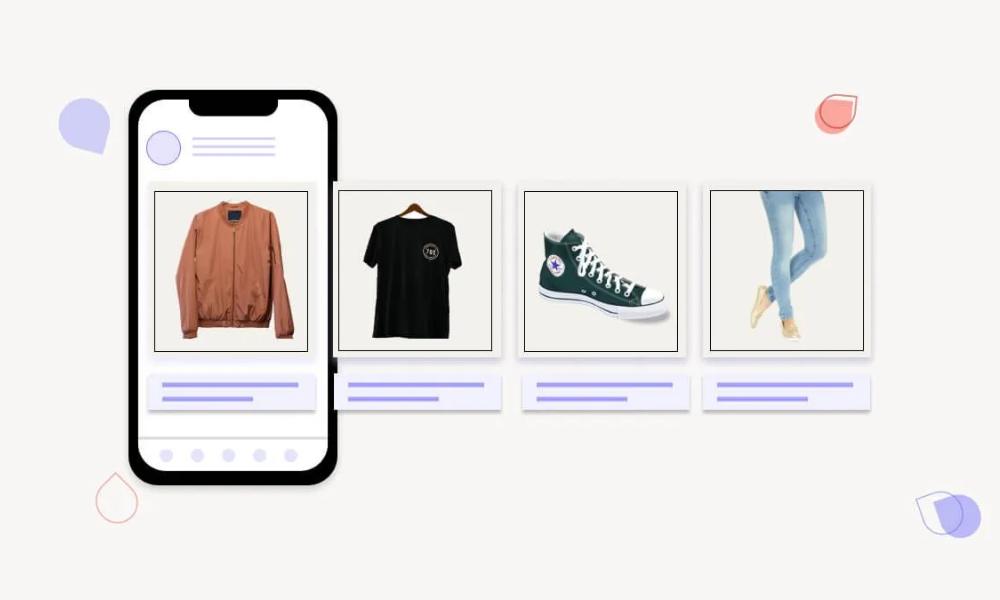
If you’re not using DPAs, you’re leaving money on the table.
Dynamic ads automatically show users the exact product(s) they viewed on your site or added to cart. You can use them for:
- Cart abandoners
- Product viewers
- Past purchasers (upsell)
- Broad audiences (catalog prospecting)
Key setup:
- Install Meta pixel with ViewContent, ATC, Purchase events
- Upload a product catalog to Commerce Manager
- Connect catalog to your ad account
- Use “Sales” objective with catalog sales as the campaign type
DPAs are low-maintenance and high-ROI—when used correctly.
4. Best Audiences for eCommerce Performance
If your targeting isn’t dialed in, everything else falls apart. Here’s what I use regularly:
- Broad audience with Advantage+ placements
(Let the algorithm find buyers at scale) - 1% Lookalikes of:
- Purchasers
- ATC
- LTV or VIP customer lists
(Build them with this guide)
- Purchasers
- Engagement Retargeting
- IG/Facebook page
- Video views
- Product page views (7–14 days)
- IG/Facebook page
- Website Activity Retargeting
- Add to Cart (1–3 days)
- Checkout initiated (1–7 days)
- Past customers (30+ days)
- Add to Cart (1–3 days)
Always exclude purchasers from cold audiences. Always segment by funnel stage.
5. Use Offers Strategically—Not Desperately
Offers drive urgency. But use them the right way:
- First-time buyer discount: “Get 10% Off Your First Order”
- Bundles or BOGOs to increase AOV
- Countdown timers for time-limited drops
- Free shipping threshold: Push users to increase cart value
Avoid discounting everything all the time. You’re training people to wait.
6. Budget Allocation That Doesn’t Break Your Store
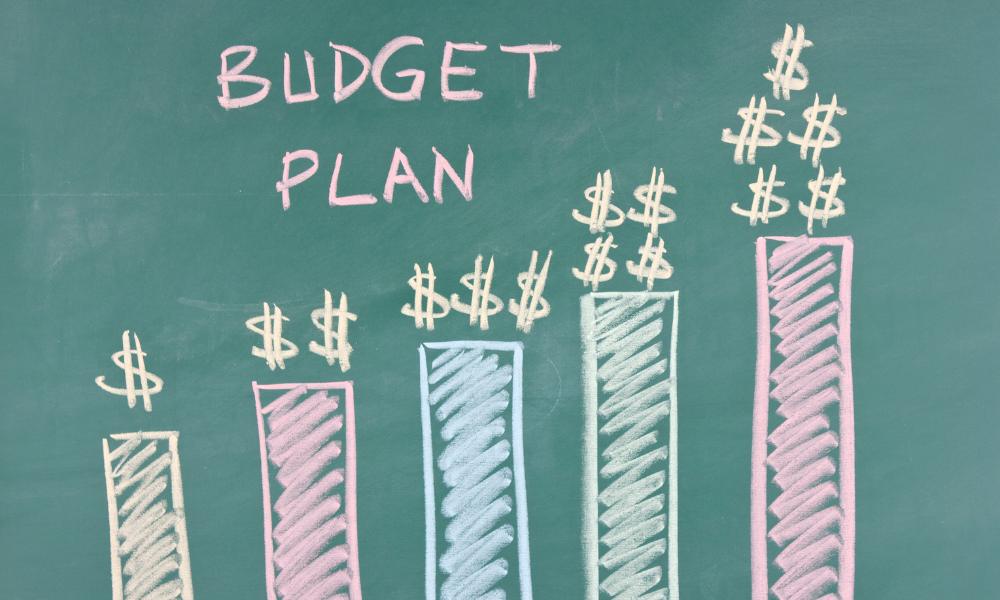
Here’s my standard approach:
- TOF (Cold): 60–70% of total budget
- MOF (Warm Retargeting): 15–25%
- BOF (Cart Abandoners, Checkout): 10–15%
Start with $30–$50/day total if you’re new. Scale up based on profitable ROAS—not vanity metrics like CTR or reach.
Use these budgeting tips if you’re working with limited spend.
7. Optimize for Purchases, Not Just Clicks
This sounds basic, but too many brands optimize for traffic or engagement. That doesn’t pay the bills.
Always:
- Set your objective to “Conversions”
- Use Purchase or ATC as the optimization event
- Let Meta learn—don’t panic if ROAS is low in first 3 days
- Don’t edit your ad set every day. Let it stabilize.
Review your results based on:
- ROAS
- Cost per purchase
- Conversion rate
- Frequency (watch this in retargeting)
More advanced optimization strategies? Here’s how I manage post-launch.
8. Avoid These Common eCommerce Ad Mistakes
Quick list of mistakes that kill performance:
- Using one ad creative for every audience
- Skipping product catalog setup
- Not excluding purchasers from cold campaigns
- Targeting too small or overlapping audiences
- Sending traffic to your homepage, not product pages
- Running only one ad format (hint: test Reels + Stories)
Need a full breakdown? This post covers everything to avoid.
9. Scale What Works (and Know When to Stop)
Scaling isn’t just increasing budget. It’s keeping your winning structure intact as you grow.
Here’s how I scale profitably:
- Duplicate winning ad sets with 20–30% higher budget
- Expand from 1% to 2–3% lookalikes
- Test Advantage+ shopping campaigns
- Scale creative variety (new UGC, offers, formats)
- Use manual bidding if automated becomes inefficient
But—if performance tanks when scaling, pull back. Better to stay profitable than chase volume.
Final Thoughts
Facebook and Instagram are still top-tier platforms for eCommerce ads—but only when you play smart.
Get your structure right. Craft creative for scroll-stopping engagement. Segment your audience by intent. And constantly test, learn, and adapt.
If your current campaigns aren’t converting, the problem is usually fixable—without burning your budget. Need a second set of eyes? I’m happy to review what you’ve got.