


Launching ads is easy. Making them profitable? That takes work.
Most campaigns don’t fail because of bad creative or a broken offer—they fail because no one’s paying attention after the launch. If you’re not actively analyzing and optimizing your campaigns, you’re leaving money (and data) on the table.
I’ve been fine-tuning Facebook and Instagram ad campaigns for nearly a decade. This guide covers exactly how I review performance, make improvements, and scale what works—without guessing.
What You’ll Learn:
- Key metrics to track (and which ones to ignore)
- When to let ads run—and when to cut them
- How I analyze campaign, ad set, and ad-level performance
- What to test if your ads are underperforming
- My step-by-step optimization routine
- How to interpret results in Meta Ads Manager
- When and how to scale a winning campaign
Let’s turn that “good enough” ad into a real ROI machine.
1. Give It Time Before Making Changes
Before you tweak anything, wait. I usually give new campaigns 3–5 full days (with at least 500–1,000 impressions per ad) before I evaluate.
Why? Meta’s machine learning needs time to gather data and exit the learning phase. Touch it too early, and you’ll never know what actually worked.
That said—if your cost per result is double your goal after day 2? You can kill the worst performers early.
2. Know Which Metrics Matter
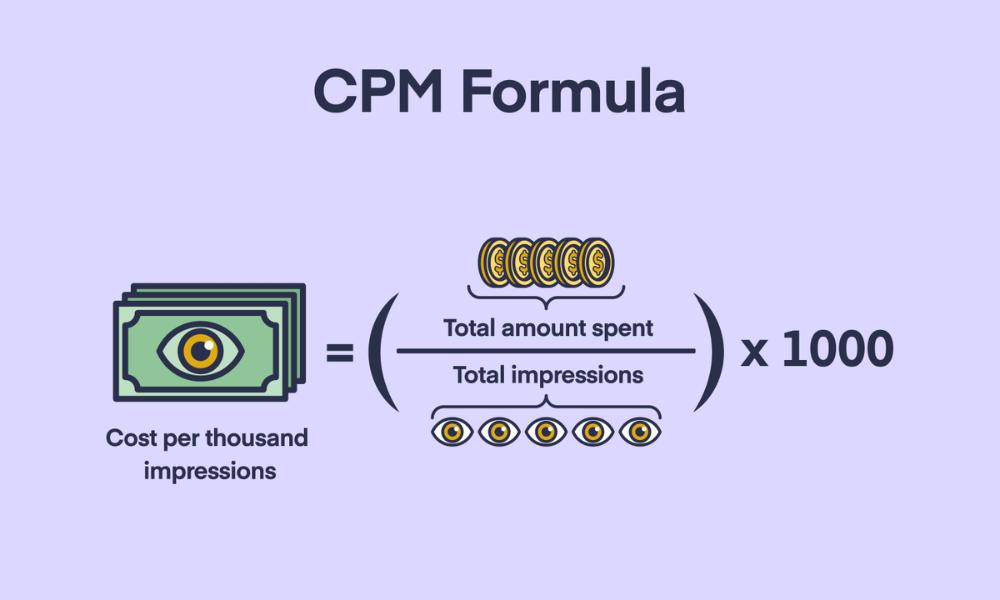
Not every metric deserves your attention. Here are the ones I actually use:
Top of Funnel (Awareness):
- CPM (Cost per 1,000 impressions)
- CTR (Click-through rate)
- Video ThruPlay (for video ads)
Middle of Funnel (Engagement/Traffic):
- CPC (Cost per click)
- Bounce rate (from Google Analytics)
- Time on site or scroll depth
Bottom of Funnel (Conversion):
- CPA (Cost per acquisition)
- ROAS (Return on ad spend)
- Conversion rate
- Add to cart / initiate checkout (for eCommerce)
Ignore vanity numbers. A post with 200 likes and zero conversions isn’t “working.”
3. Review Performance by Campaign, Ad Set, and Ad
Start broad, then zoom in. Here’s how I break it down:
- Campaign Level: Are overall goals being hit?
- Ad Set Level: Which audience is performing best?
- Ad Level: Which creative is converting (or killing results)?
Example: If your campaign has 3 ad sets, and only one is converting under your target CPA, cut the rest. Reallocate budget to the winner. Simple.
Use breakdowns (by age, gender, placement, etc.) inside Ads Manager to spot trends.
4. Diagnose What’s Wrong—Before Making Random Changes
If a campaign’s not working, I ask:
- Is the CTR low? Might be the creative or hook.
- Is the CPC high? Could be poor targeting or low relevance.
- Are clicks good but conversions low? Likely a landing page issue.
- Are conversions happening but CPA is too high? Time to test bidding strategy or adjust audience size.
Each symptom points to a different fix. The trick is not guessing.
Need a refresher on how to build strong creative or funnels? Start with this ad structure guide.
5. Optimize One Variable at a Time

If you test everything at once, you learn nothing.
My rule: Change one thing per round of testing. Usually, I start in this order:
- Creative – New image or video, same copy
- Copy – New headline or CTA
- Audience – Same creative, new targeting
- Placement – Test auto vs manual (or remove poor ones)
- Objective or Bidding – Test conversions vs traffic, manual vs auto bid
Every time you test, let it run for 3–5 days unless it’s obviously tanking.
6. Know When to Cut (and How)
If an ad set isn’t performing, don’t hesitate—turn it off.
Signs it’s time to cut:
- Cost per result is 30–50% above your goal after 3–5 days
- Frequency is above 3 and CTR is dropping
- Ad set has zero conversions after 1,000+ impressions
Pause it, but don’t delete it. You’ll want that data later.
Instead of dumping budget into poor performers, reinvest into what’s working—or test a variation.
7. Use These Optimization Tricks When Performance Dips
Here’s what I often do when performance starts slipping:
- Rotate creatives – Every 10–14 days
- Narrow targeting – Especially if frequency climbs
- Test shorter videos or new angles
- Create fresh custom audiences – 7-day vs 30-day viewers
- Exclude buyers or recent visitors – To avoid overexposure
If a campaign worked, then slowed, try refreshing the content before touching budget or structure.
8. Scaling: Don’t Break What’s Working
Once you’ve got a winner, scale slowly. I use two options:
Gradual budget increases:
Increase daily budget by no more than 15–20% every 2 days.
Duplicate and scale:
Keep the original running. Duplicate it and raise the budget in the copy.
Watch cost per result after every change. If it spikes, back off and let it stabilize.
Want deeper scaling strategies? My budgeting tips guide covers this in detail.
9. Retarget Based on Real Engagement
Retargeting is where a lot of campaigns make back the ad spend—but only if it’s done right.
Here’s how I retarget:
- Site visitors (last 7, 14, 30 days)
- IG + FB engagers
- Video viewers (25%, 50%, 75%)
- Add to cart or checkout visitors
Each one gets a tailored message. No cold-pitching a discount to someone who barely watched your video.
If you’re not retargeting yet, this audience targeting guide breaks it down.
10. Build a Weekly Optimization Routine
Here’s the exact workflow I use:
Every 3–4 days:
- Check CTR, CPC, CPA by ad set
- Kill underperformers
- Duplicate top ads with new copy or angle
Weekly:
- Review top placements and audiences
- Swap out creatives
- Adjust bids or budgets
- Rebuild fresh lookalike audiences if needed
Monthly:
- Audit entire funnel (ad → landing page → checkout)
- Analyze cumulative ROAS
- Plan next round of creative testing
No guessing. Just steady improvement.
Final Thoughts
Optimizing ad campaigns isn’t about doing more. It’s about doing the right things—at the right time—with the right data.
Here’s what matters:
- Know your numbers
- Watch trends over time, not daily blips
- Be intentional with tests
- Kill what’s not working, back what is
- Let data—not ego—drive decisions
With the right system, even small budgets can produce big returns. If you’re running ads and not sure what to change, send me what you’ve got. I’m always happy to review and advise.