

If you’re manually recreating the same SEO checks every time you assess a website, stop right there. You’re doing extra work, wasting time, and probably missing out on consistency—which matters more than most people realize.
After years of working with clients, I knew I needed something more reliable than memory, notes, or last month’s checklist buried in a random Google Doc. That’s when I created a reusable framework to streamline my entire evaluation process.
Let’s walk through what I include, how I use it across different sites, and why having a structured system beats winging it—every single time.
What You’ll Take Away
Here’s a quick look at what I’ll break down:
- How I structure a repeatable evaluation method
- What sections I include and why they matter
- Tools I rely on to automate and validate findings
- How I tweak my approach for different industries or clients
- Mistakes I’ve made so you don’t have to repeat them
Why a Consistent Process Saves More Than Just Time
Early on, every website review I ran looked different. Not because it should have—but because I didn’t have a repeatable structure. One week I’d forget to check mobile layout. The next, I’d miss crawl budget issues. And yes, I’ve definitely shipped reports with broken internal links in the template itself. (No, my client didn’t find it funny.)
Having a reusable format ensures that every key technical and content factor gets covered. It also helps with reporting. Clients see progress. I track what’s been fixed. And my team doesn’t ask me, “Wait, are we using last quarter’s version of this again?”
If you need a refresher on why this work matters at all, I covered the bigger picture here.
My Core Template Sections: A Practical Breakdown
Every repeatable process needs structure. Here’s what I include in mine:
Site Health and Technical Performance
This is where I catch the low-hanging technical issues. I start with:
- Loading times (especially Core Web Vitals like INP)
- Mobile usability
- Crawlability and indexation status
- Redirect issues and canonical errors
- Server response times
My favorite place to start? Google Search Console and Screaming Frog. They’re reliable, fast, and expose all the stuff that often slips through the cracks.
More on this can be found in my full site review guide.
On-Page Checks
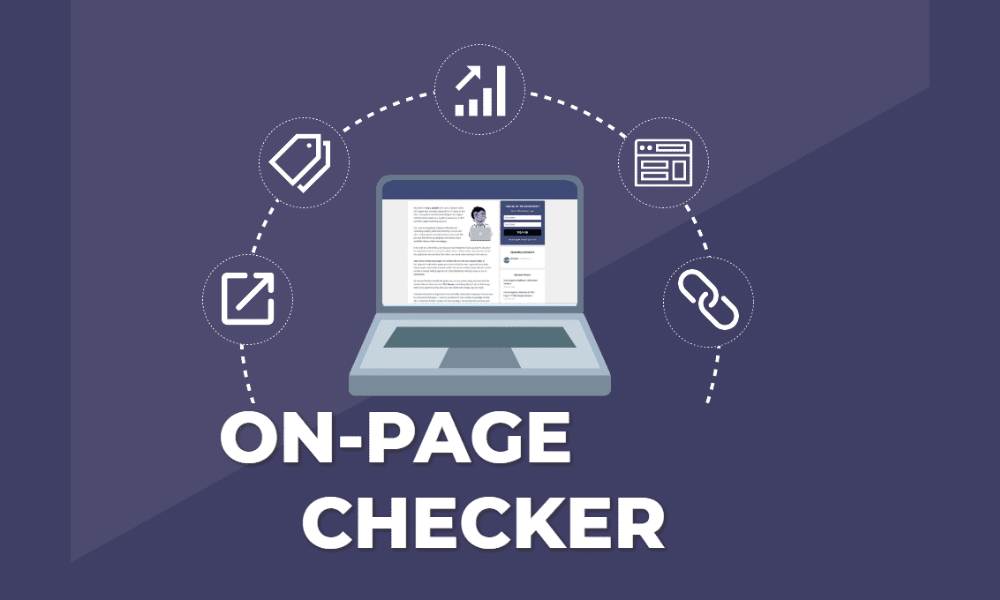
Once the foundation looks solid, I move on to the things that affect relevance and visibility:
- Are title tags clear and keyword-focused?
- Do meta descriptions actually match the page content?
- Is the page using proper header structure (and just one H1)?
- Is the content updated, complete, and user-focused?
I usually compare top pages in GSC with this structure to prioritize where to start. Small changes here often bring big results.
For a full checklist you can follow, this one covers it all.
Content Quality Review
Thin, outdated, and off-topic pages drag everything down. If your content doesn’t match search intent or offer any real value, it needs rework—or removal.
I look at:
- Pages with declining traffic
- Duplicate or near-identical copy
- Blog posts that haven’t been touched since 2019 (guilty)
- Pieces that don’t internally link to anything useful
This part of the process is about trimming the digital fat. I often refer back to this when deciding what’s salvageable and what belongs in the archive bin.
User Experience (UX)
User satisfaction may not be an official metric in your favorite ranking tool, but it should be in your review.
I assess:
- Layout stability
- Readability on mobile
- Placement of calls to action
- Overall usability (menus, buttons, navigation)
No one’s going to convert—or link to—a site they can’t use. This phase helps prevent that.
Internal Links & Site Structure
Pages without any internal references are like forgotten corners of a warehouse. I always check:
- Whether priority pages are linked across key hubs
- If there are orphaned pages
- Crawl depth (too deep = lost visibility)
- Category and tag clutter
This one’s also key for balancing crawl budget, especially on large websites.
Need help finding tools to check these elements? This resource breaks them down.
Structured Data & Snippet Potential
If your pages deserve to stand out in the search results—but don’t—this might be why.
I review:
- Schema implementation (especially Article, Product, FAQ types)
- Validations using Google’s Rich Results Testing tool
- JSON-LD vs. Microdata (I’m Team JSON)
Implementing markup the right way increases click-throughs and sometimes lands that coveted snippet spot. (And yes, it feels good every time it happens.)
How I Adapt My Framework Based on the Site Type
Let’s get real: not every site needs the same level of detail.
For local businesses:
Speed, mobile layout, and local schema are top priorities. Most audits here are quicker, lighter, and hyper-focused on location signals.
For ecommerce stores:
I focus more on structured data, indexable category pages, and duplicate product descriptions.
For content-heavy blogs:
Internal links, freshness, and site architecture get the spotlight. I also check for buried evergreen content.
Customizing the format doesn’t mean reinventing it. Just tweak based on the business goals and the site’s purpose.
Tools I Actually Use (Without Overkill)
I’ve tested plenty of platforms over the years. But these are the ones that make the cut:
- Screaming Frog – A full crawl tells me 70% of what I need to know.
- Semrush – For backlink snapshots and domain health.
- Google Search Console – For traffic, coverage, and performance.
- PageSpeed Insights – Because fast is still better.
- Sheets – Yes, a good ol’ spreadsheet. Still unbeatable for organizing it all.
I covered these and more here, including when I use each.
How I Use the Template in Real Engagements
Here’s what a typical review looks like for me:
- Run a full crawl and baseline performance check
- Compare key pages in GSC and Analytics
- Prioritize based on traffic drops, poor Core Web Vitals, or structural issues
- Drop findings into the spreadsheet (or Notion doc, depending on the client)
- Flag immediate changes and long-term items separately
- Wrap it all into a clean, visual report
Reporting isn’t just about the “what”—it’s about showing progress over time. If you’ve ever been asked “so… what does this mean?”, this is your chance to answer clearly.
I break down how to present those findings to clients right here.
Avoid These Mistakes (Yes, I’ve Made Them All)
Some common traps I’ve seen (and fallen into):
- Using the same audit file for every site without adapting it
- Including 100+ checks that overwhelm without insight
- Running reviews with no follow-through
- Forgetting to log changes for future reference
And here’s a fun one: sending a finished report with an internal note still in it. (“[FIX THIS BEFORE SENDING]”). Good times.
More on mistakes I’ve seen in the wild? Read this.
Build It Once, Use It Forever (With Updates)
Templates aren’t just about productivity—they’re about peace of mind. When I follow my own framework, I know nothing’s slipping through the cracks. I deliver consistent value, and I spend less time second-guessing what I forgot.
Whether you start with my format or build your own from scratch, the point is to stop freelancing your approach. Save time, get better results, and make your future self (and your clients) a lot happier.
Already using a format but wondering how often to revisit your process? Here’s how I decide.