

I’ve said it before, and I’ll say it again: if your website isn’t performing, chances are it’s trying to tell you something—and no, it’s not whispering sweet nothings. It’s probably screaming, “Help! Something’s off!”
Let’s talk about what that “something” usually is—and why I treat regular evaluations of your site’s health like quarterly oil changes. Skip them too long, and things stop running right.
What You’ll Learn in This Guide
- What a website health check really involves (in plain English)
- Why I never launch or redesign a site without running one
- The most common issues I find (and fix before they escalate)
- Tools I use to make this process efficient
- When you should check your site’s performance
- What happens after the report lands on your desk
What I Mean When I Say ‘Audit’
When I talk about reviewing a website’s search performance, I’m referring to a detailed scan of everything that might affect how your pages show up (or don’t) in search engines.
It’s like asking, “Can Google understand and trust this site?”—and getting an honest, sometimes brutally honest, answer.
Here’s what I usually review:
- Technical performance – site load time, responsiveness, mobile compatibility
- On-page elements – headers, meta details, content clarity
- Visibility checks – making sure your most valuable pages are discoverable
- Link profile – analyzing connections from other websites
- Content depth – ensuring what’s published aligns with real search intent
The idea isn’t to chase perfection. It’s to spot what’s getting in your way and fix it.
Why I Never Skip These Website Reviews
I’ve worked with clients who created great content, built beautiful pages, and even ran paid ads—only to realize their site wasn’t being indexed properly.
Here’s why I insist on regular technical and content reviews:
- They expose issues before traffic disappears.
- They help improve performance without guessing.
- They reveal missed keyword opportunities.
- They explain ranking drops better than gut feelings.
- They give you a clear plan—not a pile of “maybe” fixes.
Still not convinced? You can dig deeper into why this matters for growth.
What I Usually Find (and Fix Before Things Get Worse)
Even well-maintained websites have their share of gremlins. Here are a few recurring problems I clean up more often than I’d like:
- Links pointing to nowhere
- Duplicate or thin pages that confuse search bots
- Slow loading speeds killing mobile visits
- Redirects that go in circles
- Pages floating without any internal links (aka: forgotten pages)
These issues affect both how people use your site and how search platforms rank it. If you’re curious, check out more common pitfalls I see all the time.
My Go-To Toolkit for Website Inspections
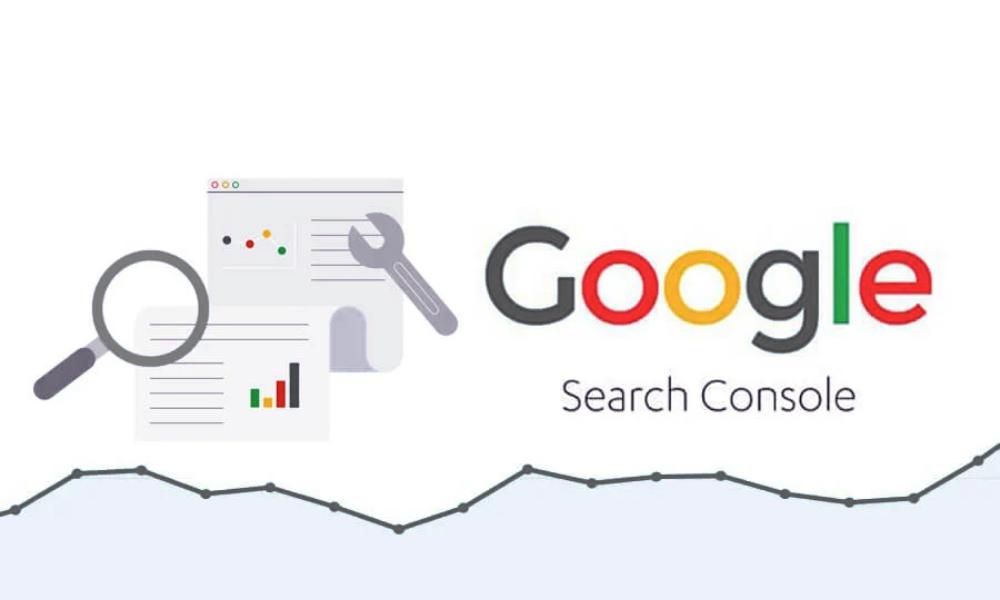
Here’s what’s usually in my corner when I assess a site:
- Google Search Console – to see what’s indexed and what’s not
- Screaming Frog – like a site X-ray
- Ahrefs / Semrush – for backlink strength and keyword tracking
- PageSpeed Insights – because nobody likes a slow page
- Google Analytics – for traffic behavior insights
I’ve tested plenty of tools over the years. If you want to see which ones consistently deliver, here’s my list of the best ones I trust.
When You Should Review Your Website’s Health
Here’s my general rule: if it’s been more than six months since your last review, it’s probably time.
You should also do it:
- After a redesign or CMS update
- If your organic traffic drops suddenly
- After taking a break from SEO efforts
- Before launching a new content push
- After a Google update (they’re not exactly rare)
Want a simple answer to how often this should happen? I covered that here: site checkup frequency explained.
How I Actually Run These Reviews
Here’s what a typical session looks like from my side of the screen:
- Start with a full site crawl (using Screaming Frog or a similar tool)
- Run visibility tests to see what’s getting indexed
- Check for performance slowdowns
- Analyze pages for duplicate content or missing tags
- Look at link quality and anchor variety
- Put together a list of issues, sorted by what matters most
I’ve walked through the full process in my step-by-step guide, and there’s a checklist version if you prefer something quicker.
What Happens After the Findings Come In

Too many folks treat these reports like school projects—something you complete and shelve. Please don’t.
Here’s what I do with the results:
- Prioritize based on real-world impact (not what’s easiest)
- Handle technical errors quickly (broken links, crawl blocks)
- Coordinate with content teams to update or remove underperformers
- Work with devs to fix layout or schema issues
- Run follow-up checks to track improvements
And if a full report feels like a tidal wave of data, this guide on how I break things down might help.
Final Thoughts (Or My Two Cents on Site Auditing)
At this point, you probably realize these aren’t just techie checklists—they’re one of the most practical ways to boost your site’s search visibility, user experience, and revenue.
If you’ve been guessing what’s wrong or wondering why traffic dropped, it’s probably time for a fresh set of eyes. Or better yet, a methodical scan of what’s working—and what’s not.
Need a hand? I’ve got the tools—and the time.