

If you think omnichannel is just a buzzword, you’re already behind.
What started as a way to connect marketing channels is now the foundation of how brands build trust, drive conversions, and keep customers coming back—regardless of platform, device, or industry.
In 2025, customer expectations are even higher. They expect brands to not only show up everywhere—but to understand them everywhere. That means omnichannel isn’t evolving slowly. It’s accelerating. Fast.
In this guide, I’ll walk you through the trends that are shaping the next phase of omnichannel strategy—and how I’m helping clients adapt to stay relevant, responsive, and results-driven.
What You’ll Learn in This Guide
- The biggest shifts influencing omnichannel strategy in 2025
- How AI, data, and privacy are changing the game
- What customer experience will require (and reject) this year
- Practical ways to future-proof your strategy
- Where B2B and B2C brands need to focus—now
Why Omnichannel Is Still the Core of Customer Experience
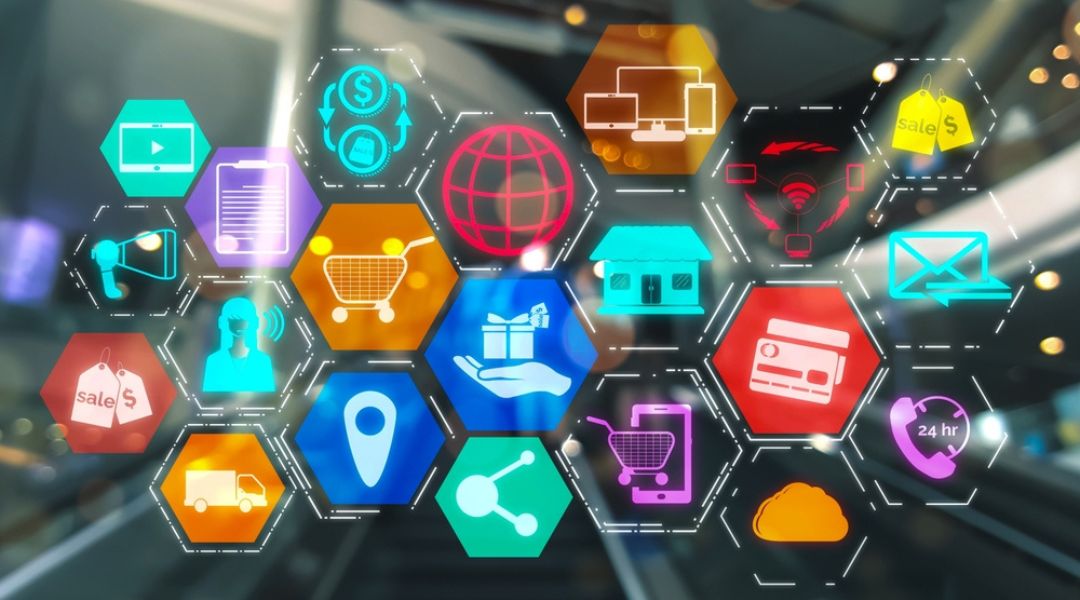
In 2025, omnichannel is no longer about convenience—it’s about continuity.
Customers interact with your brand across multiple platforms—social, web, app, email, SMS, in-store—and they expect those experiences to feel connected, not chaotic.
If your messaging, offers, support, and experience aren’t aligned, it doesn’t matter how good your content is—people will bounce. Fast.
What’s changing now is how brands connect that experience. Let’s get into the trends shaping that shift.
AI-Powered Personalization Moves from Option to Expectation
Artificial intelligence isn’t replacing marketers—but it is reshaping personalization at scale.
Tools now use predictive models to determine:
- What message to send
- When to send it
- Which channel is most effective
- What content variation is most likely to convert
Instead of just segmenting based on behavior, AI can adapt entire customer journeys in real time.
What This Means:
- Dynamic content blocks on websites and emails based on live behavior
- AI-driven SMS timing based on user open habits
- Ad creative automatically adjusted to match user engagement history
If you’re still manually segmenting lists in 2025, you’re behind.
Micro-Journeys Replace Linear Funnels
The idea that customers move neatly from awareness → consideration → purchase is over.
Now, the customer journey is made up of micro-moments:
- A Google search at lunch
- A TikTok scroll before bed
- A podcast mention on a commute
- A product view without a purchase
- A help chat 10 days later
In 2025, omnichannel strategy must adapt to this fractured journey—by identifying intent signals and stitching together these moments into a coherent brand experience.
What I Recommend:
- Track micro-conversions (downloads, video views, page depth)
- Build automation paths that respond to behavior, not timing
- Create platform-specific content that supports cross-channel movement
More on mapping those behaviors:
Mapping Customer Behavior Across Channels
First-Party Data Becomes Your Most Valuable Asset
With privacy regulations tightening and third-party cookies phasing out, brands that rely on rented data will struggle.
In 2025, your first-party data—collected directly through interactions—becomes the foundation of every channel.
What works now:
- Gated content offers
- Interactive tools that collect preferences
- Loyalty programs that incentivize profile building
- Post-purchase surveys that inform remarketing
The brands that can personalize and segment based on real, voluntarily shared data will outperform those stuck chasing audience lookalikes.
Build your data layer intentionally. If your systems aren’t syncing data across channels, it’s time to fix that.
More on this here:
Data-Driven Omnichannel Strategy
Cross-Channel CX Becomes a Revenue Driver
Omnichannel used to be about “presence.” Now it’s about performance.
In 2025, customer experience is directly tied to revenue—especially when it’s consistent across platforms.
Examples:
- Support conversations pick up where live chat left off, even on social
- In-store associates can pull up online browsing history
- Loyalty points earned online can be redeemed via app or in-store
- Post-purchase communication adjusts based on original entry point
Every interaction—whether via chatbot, SMS, email, or face-to-face—should support a single, smart brand experience.
If your platforms don’t sync context across touchpoints, the customer feels lost. And lost customers don’t convert.
Omnichannel in B2B Is No Longer Optional

B2B buyers now expect B2C-level experiences.
They want:
- Personalized follow-ups
- Seamless content across desktop, mobile, and tablet
- Self-service journeys with the option to talk to sales
- Educational content that reflects their exact use case
In 2025, B2B teams need to map journeys across:
- Web
- Email
- Webinars
- LinkedIn
- Sales touchpoints
- Customer support
Each channel should reinforce the same message—without forcing the user to “start over” at every stage.
More on how B2B omnichannel differs:
Omnichannel Strategy Mapping for B2B vs. B2C
Channel Integration Is No Longer Technical—It’s Strategic
In the past, integration was viewed as an IT task. In 2025, it’s a strategy task.
Marketing teams now lead:
- Connecting CRM to email, ads, and support
- Syncing loyalty data across platforms
- Triggering cross-channel automations
- Aligning content delivery with behavior-driven journeys
This requires tight coordination between marketing, sales, support, and product teams. Your tech stack should empower alignment, not create silos.
Real-Time Content Delivery Drives Higher Conversions
Speed now matters more than ever.
2025 consumers expect:
- Instant access to recommendations
- Real-time notifications (without being annoying)
- Smart content loading based on context and location
Real-time personalization is especially powerful for:
- Ecommerce (showing trending or low-stock items)
- Event marketing (geo-based reminders or offers)
- B2B (surfacing relevant case studies based on interaction history)
If your content is static, slow, or out of sync, you’re missing conversions.
Offline-to-Online Integration Becomes a Growth Lever
Brands that can connect physical and digital experiences are winning loyalty.
In 2025:
- QR codes aren’t gimmicks—they’re essential
- POS systems sync instantly with CRM and email tools
- In-store events trigger digital follow-ups
- Phone support is tracked as part of the digital journey
If you’re still treating in-person and online experiences as separate, this is the year to fix it.
More on that here:
How to Integrate Online and Offline Channels
Content Teams Start Thinking in Journey Layers
Content isn’t created for one channel anymore. It’s designed for layers of the journey.
In 2025:
- Long-form blog posts drive awareness and can be broken into micro-content for email or social
- Webinar segments are used in sales enablement
- Product videos adapt for paid social, site embeds, and onboarding flows
- Case studies support both sales decks and customer success campaigns
Every content asset should have a journey purpose, not just a format.
Customer-Led Journey Design Becomes the Standard
Brands used to design funnels based on what they wanted users to do.
Now, the best brands design journeys based on how users actually move—and build systems around that.
This means:
- Mapping based on behavior, not hope
- Letting customers opt into paths based on needs
- Allowing flexibility between touchpoints
- Removing friction, even if it shortens the funnel
Customers choose their own path. You’re there to guide—not force.
Final Thoughts
The future of omnichannel strategy in 2025 is about agility, intelligence, and empathy. It’s not just about showing up. It’s about knowing how, when, and why to show up.
Trends are shifting faster. Technology is evolving quickly. But customer expectations remain simple: Be relevant. Be helpful. Be consistent.
If your strategy is still stuck in channel thinking, now’s the time to rethink. The brands that adapt will win attention, trust, and loyalty—across every touchpoint.Want to see which of these trends apply to your current strategy? Start here:
Omnichannel Strategy Trends to Watch in 2025