
One of the biggest myths in modern marketing is that customers only live online.
They don’t.
They browse your website, see your ads, and click your emails—but they also walk into your store, call your sales team, attend your events, and talk to people.
Which means if your strategy only covers digital channels, you’re leaving massive value (and insight) on the table.
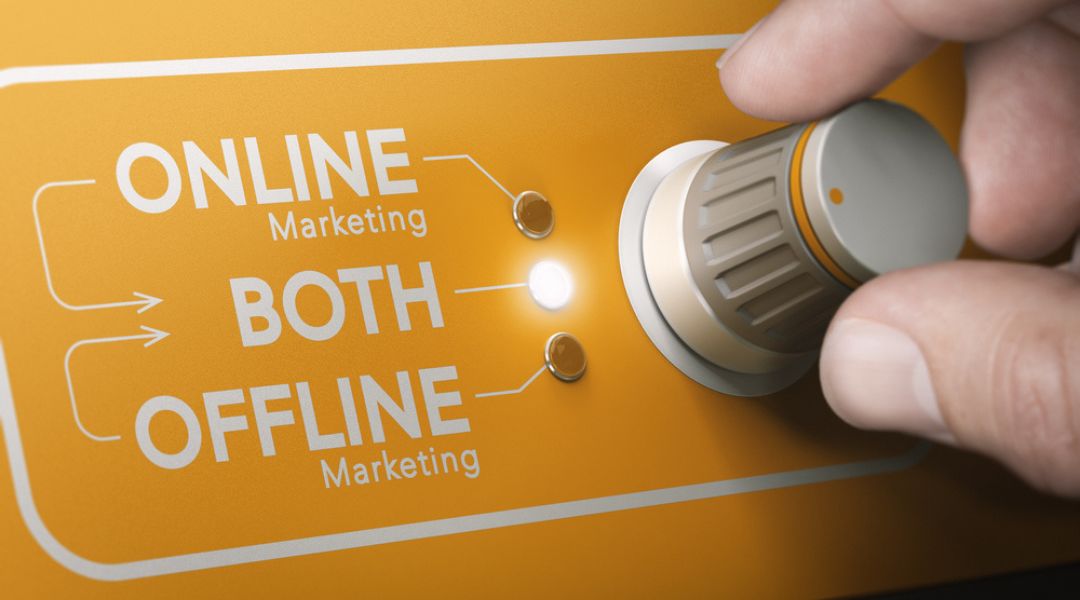
The solution isn’t to create two strategies—one for digital, one for physical—but to integrate them into a single omnichannel experience that moves seamlessly across platforms, devices, and real-world touchpoints.
In this guide, I’ll show you how I help businesses combine online and offline channels to build a consistent, customer-first strategy that actually works in 2025.
What You’ll Learn in This Guide
- Why online and offline channels must work together
- Common disconnects that hurt customer experience
- How to identify the gaps between your channels
- My framework for connecting in-store, phone, event, and digital data
- Tools that help bring the strategy together
Why Integration Is Non-Negotiable

Today’s customer journey doesn’t live in just one place. It spans:
- A Google ad viewed on mobile
- A product researched on desktop
- A visit to your brick-and-mortar store
- A QR code scanned at a tradeshow
- A follow-up email that leads to a sale
And it’s not just about B2C. B2B buyers are doing the same thing—visiting booths, attending demos, scanning case studies, hopping on calls, then buying through a digital invoice.
If your online and offline experiences aren’t connected, customers notice. And when they notice, they hesitate.
Where Most Brands Get It Wrong
Here are a few common gaps I see during audits:
- Sales and support teams don’t know what the customer saw online
- Online promotions don’t apply in-store—or vice versa
- Event leads are never added to CRM or email flows
- Customer service has no access to online purchase history
- In-store staff can’t reference digital behavior or profile data
Each of these creates friction. And friction kills momentum in a customer journey that should feel easy.
Step 1: Map Every Online and Offline Touchpoint
Start with a full view of where and how customers engage.
Online Channels:
- Website
- Social media
- Email/SMS
- Paid ads
- Chatbots
- App notifications
Offline Channels:
- In-store interactions
- Phone calls
- Events, expos, or pop-ups
- Retail receipts and kiosks
- Face-to-face demos or meetings
For each, ask:
- What does the customer expect here?
- What’s the next step after this touchpoint?
- Is this channel connected to our customer data system?
This map helps you see where channels currently exist in isolation—and where they should be working together.
If you haven’t mapped your customer journey yet, this will help:
Omnichannel Journey Mapping Guide
Step 2: Centralize Customer Data
Data is the glue that holds your strategy together.
If your POS system, CRM, support software, and ad platforms aren’t connected, you’re creating fragmented experiences.
Start with a central data source:
- CRM (HubSpot, Salesforce)
- CDP (Segment, Bloomreach)
- Retail management system (Shopify POS, Lightspeed, Square)
Connect it with:
- Email/SMS tools
- Ad platforms
- In-store purchase data
- Support interactions
- Event check-ins
This gives every team access to a unified customer profile—so marketing, sales, and service are all working from the same playbook.
Step 3: Align Messaging Across Physical and Digital Channels
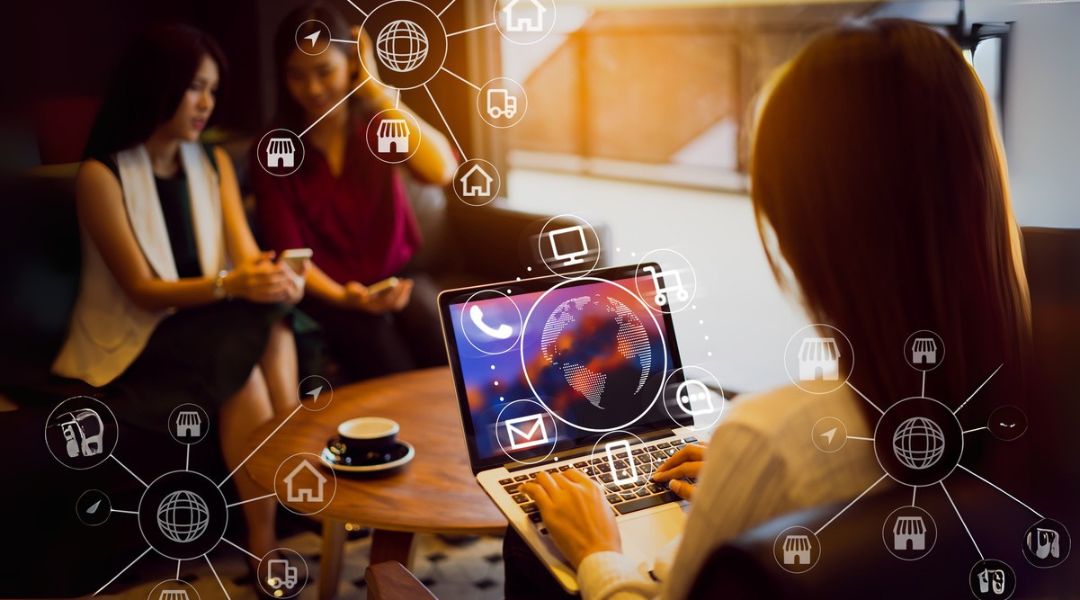
The offer a customer sees online should be the same one they see in-store, on a flyer, or in an email.
If someone sees a 20% discount in your ad but gets told “that’s an online-only promo” in your store, trust is broken.
Fix this by:
- Creating campaigns, not channel-specific promotions
- Training in-store and support teams on current offers
- Using QR codes, SMS, and NFC to tie in-store activity to digital follow-ups
- Designing signage, checkout prompts, and scripts that mirror digital language
Keep your messaging consistent—but allow for context-specific formatting.
If you’re still struggling with brand consistency, start here:
Aligning Messaging Across Omnichannel Touchpoints
Step 4: Track Offline Activity as Part of the Customer Journey
This is where most strategies fall apart.
You can’t improve what you can’t see—so you need to treat offline activity like any other tracked behavior.
Here’s how I typically do it:
- Use POS systems that sync purchase data with CRM or CDP
- Add offline events (store visits, calls, booth scans) as tracked touchpoints
- Use dynamic QR codes to connect print and digital
- Train sales or retail teams to log meaningful interactions
- Connect phone systems (VoIP) to CRM where possible
Now, when a customer visits your store, books a call, or attends an event, your digital systems are aware—and can adjust accordingly.
Step 5: Personalize Follow-Ups Based on Total Behavior
Once you have a unified view of behavior, you can personalize journeys across online and offline activity.
Examples:
- A customer who browsed online, visited in-store, but didn’t buy → receives a product-focused follow-up email.
- Someone who attends an event → gets SMS with exclusive offer only for attendees.
- A first-time in-store customer → sees a retargeting ad showing related products they looked at in-store.
The more tailored the follow-up, the more likely the customer is to stay engaged—and convert.
For deeper personalization tactics, read:
Personalization in Omnichannel Strategy
Step 6: Automate Where It Makes Sense
Don’t try to do everything manually—especially when syncing in-store and online activity.
Automation can help you:
- Trigger flows after POS purchases
- Send reminders to online leads who haven’t booked a demo
- Follow up with online-exclusive offers to recent in-store shoppers
- Escalate service issues from chat to phone, or store to email
Just make sure your automation supports real behavior—not just time-based triggers.
Step 7: Measure the Full Funnel Across Online and Offline
When both sides are connected, your analytics should reflect that.
Track:
- Store visits after digital ad clicks
- Email sign-ups from in-store QR codes
- Sales generated from offline referrals
- In-store redemptions of digital offers
- Repeat purchases across channels
Use attribution models that include offline interactions—not just last-click digital.
This lets you understand the true value of blended journeys and adjust your strategy based on reality—not assumptions.
Bonus: Empower Your Offline Teams with Digital Tools

Your store associates, event staff, and sales reps are part of the omnichannel journey. Give them the same insight and capabilities you offer online.
Equip them with:
- Access to customer history (on tablets or via CRM dashboards)
- Clear scripts and brand language
- Real-time access to offers and loyalty data
- The ability to capture preferences, reviews, and contact info
The more empowered your team is, the more connected the customer experience will feel.
Final Thoughts
Customers don’t care if your touchpoints are managed by different teams. They just want a frictionless experience—one that makes sense from platform to person, from mobile to store, from click to conversation.
When your online and offline channels are integrated:
- Messaging becomes consistent
- Data becomes actionable
- Customers feel understood—not just marketed to
You don’t need to change everything overnight. Start by connecting what you already have. Then build from there.Want to create a strategy that bridges digital and in-person experiences? This is where to start:
Integrate Online and Offline Channels