
You can have the fastest website, perfect Core Web Vitals, and the best backlinks in the world—but if your page isn’t relevant to what people are searching for, it’s not going to rank.
Relevance is the bridge between search intent and content delivery. And the good news? On-page optimization is how you build that bridge—step by step.
In this post, I’ll walk you through how I use on-page SEO to improve page relevance, align content with user needs, and help search engines clearly understand what a page is about.
What You’ll Learn:
- What “page relevance” really means in SEO
- How on-page elements signal relevance to Google
- My methods for improving alignment with search intent
- A practical checklist I use to optimize relevance on any page
Not familiar with on-page SEO basics yet? Start with this guide first.
What Does Page Relevance Actually Mean?
When someone types a query into Google, it’s not just looking for pages that contain the words—it’s looking for pages that match the intent behind those words.
That’s where relevance comes in.
A relevant page:
- Addresses the specific need or question behind the query
- Uses language and terms consistent with the topic
- Shows topical alignment across title, headers, and content
- Feels like a direct answer, not a general discussion
If your page isn’t clearly relevant, it might show up for unqualified traffic—or worse, not at all.
How On-Page Optimization Improves Relevance
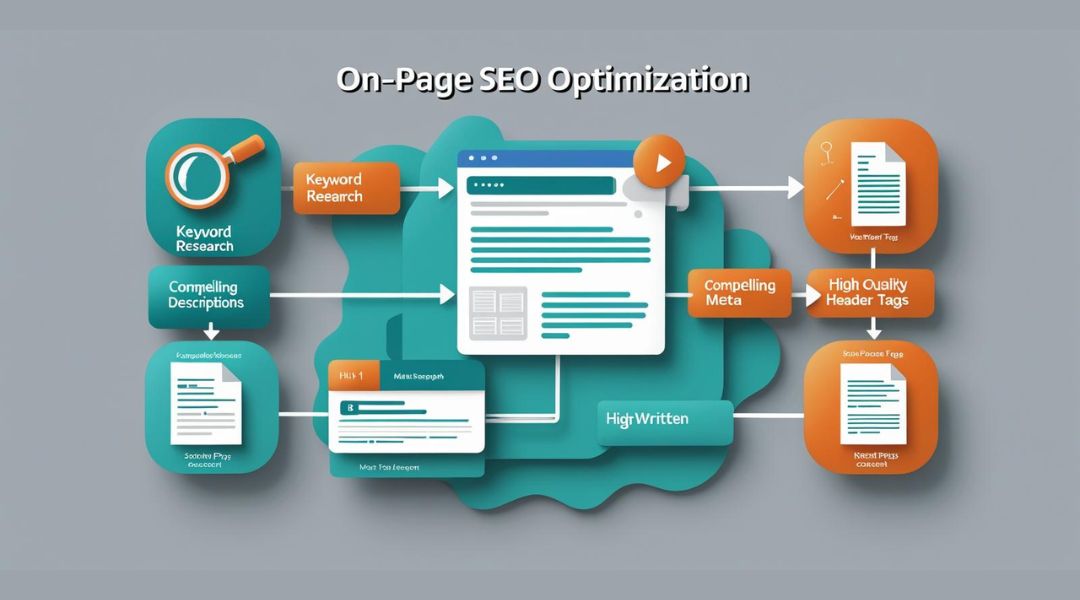
On-page SEO gives you full control over how search engines and users interpret your page. I treat it as the toolkit for making content more focused, aligned, and valuable.
Here’s how I use it to improve relevance:
Start With Search Intent—Not Just Keywords

You can rank for a term and still get no results if your content misses the why behind the search.
Here’s what I do:
- Identify the keyword
- Research the top-ranking pages for that keyword
- Look at what kind of content ranks: Is it a tutorial? A list? A product page?
- Match my content format and tone to what users expect
If the query is “how to optimize product pages,” people want steps and strategies, not a history lesson.
Use Keywords Strategically (Not Excessively)
Keyword use still matters—but only when it’s done right.
Here’s how I place the main keyword and its variations:
- Title tag
- H1 tag
- First 100 words
- One subheading (if it fits)
- Naturally throughout the content
I avoid forcing it. Relevance isn’t just about keywords—it’s about context.
For a deeper breakdown, check out how I use keywords on-page.
Align Your Title, H1, and Meta Description
If your title tag says one thing, your H1 says something else, and your meta description adds a third twist, you’re creating mixed signals.
Instead, I align all three:
- Title: clear and keyword-focused
- H1: human-readable but still matches the intent
- Meta: summarizes what the page delivers in 150–160 characters
Example:
- Title: How to Improve Product Page Relevance with On-Page SEO
- H1: Optimize Product Pages to Match Search Intent
- Meta: Learn how I use on-page SEO to improve product page relevance by aligning content, keywords, and structure to search intent.
Consistency reinforces clarity—and clarity improves relevance.
Use Structured Headers to Reflect the Topic Flow
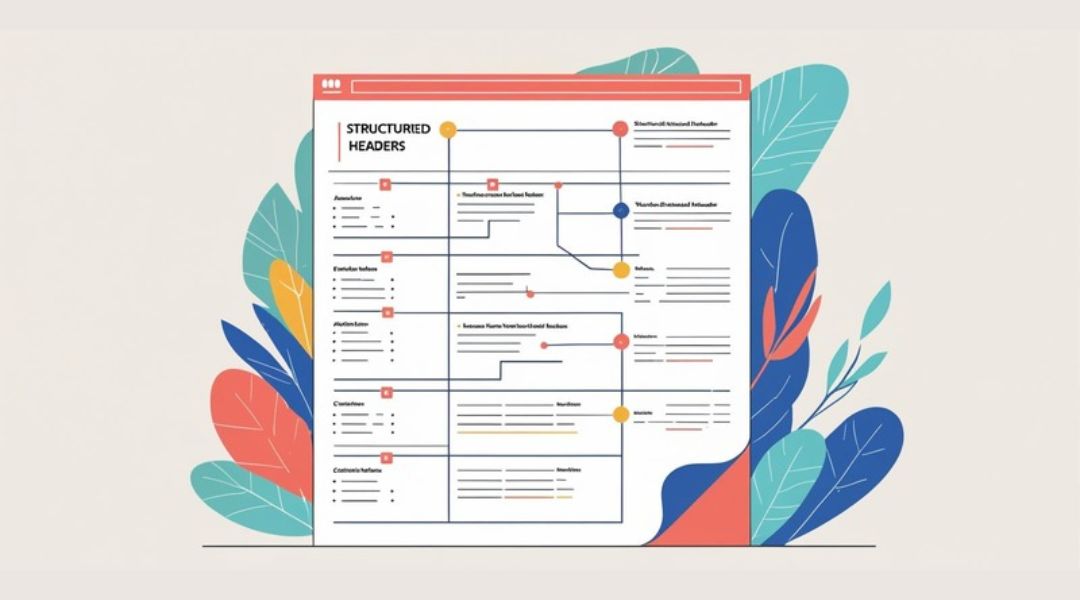
Headers aren’t just visual dividers—they’re semantic clues. Google uses them to understand your content’s layout and topic hierarchy.
I make sure each section:
- Builds on the one before it
- Follows a logical structure (H1 > H2 > H3)
- Covers one focused idea per section
This not only improves SEO, it improves user comprehension.
Need help with formatting? Here’s how I format headers for SEO.
Strengthen Topic Signals with Internal Links
Internal links connect your page to related content—and help build topical authority.
I add links to:
- Supporting articles or related blog posts
- Category or service pages (when relevant)
- Deeper explanations of terms or steps
Example: If I mention common optimization errors, I link to my post on on-page SEO mistakes.
This tells both Google and users: “This site really understands this topic.”
Cover the Topic Completely (Without Rambling)
Relevance doesn’t mean writing more—it means writing what matters.
Here’s what I focus on:
- Addressing related subtopics and FAQs
- Avoiding fluff or repetition
- Using simple, direct language
- Answering the reader’s implied follow-up questions
If a reader leaves your page to look for more info—you’ve left relevance on the table.
Optimize Images, Lists, and Examples

Visual relevance counts too.
Images should support the content—not just decorate it. And formatting should help users get to the good stuff faster.
I use:
- Descriptive alt text for images
- Screenshots or diagrams where needed
- Lists, tables, and bolded takeaways to emphasize value
And yes, Google notices this.
Update Pages Regularly to Stay Relevant
Outdated content loses relevance fast—especially in fast-moving industries.
I review important pages every 6–12 months and update:
- Stats or screenshots
- Internal links
- Meta tags
- Outdated advice
Even small updates can revalidate the page in Google’s eyes.
My Page Relevance Optimization Checklist
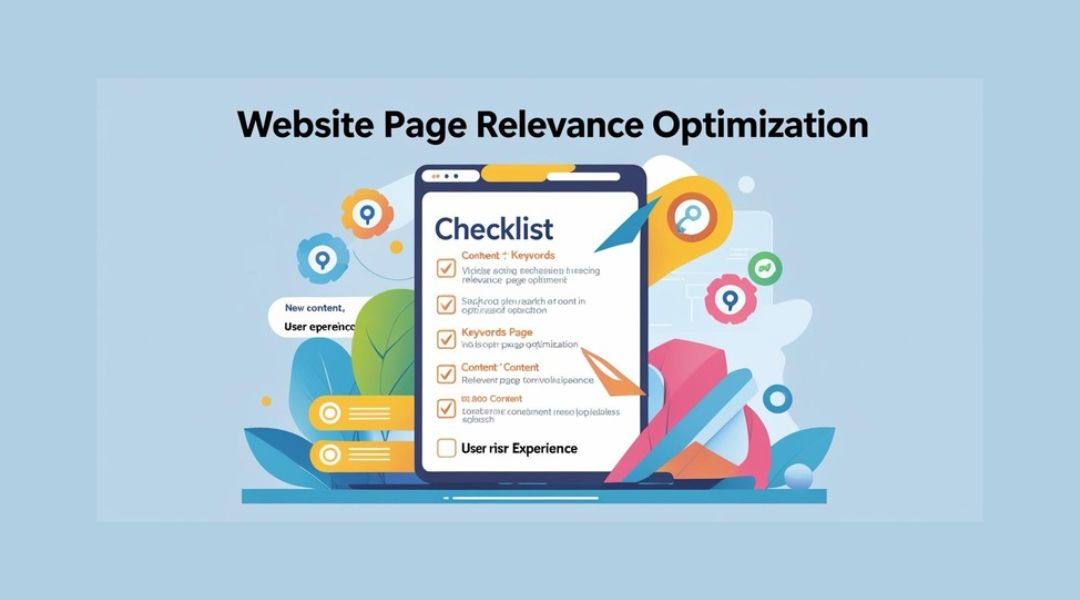
Before I publish—or refresh—a page, I ask:
- Does this page clearly match the search intent?
- Is the keyword used naturally in key places?
- Are the title, H1, and meta description aligned?
- Is the content structured with helpful headers?
- Are internal links used to support the topic?
- Does the content fully answer the query?
- Are images and examples enhancing the value?
- Is the information up to date?
If I can say yes to all eight, the page is in a strong position to rank—and stay relevant.
Final Thoughts
Page relevance isn’t about tricks. It’s about clarity, alignment, and usefulness.
Search engines are getting smarter. If your content doesn’t clearly and thoroughly answer the searcher’s question, no amount of optimization will save it.
But when you combine solid on-page SEO with a strong focus on intent and value, your pages become easier to find—and more satisfying to read.
Need help identifying why your pages aren’t ranking—or how to improve relevance on high-potential posts? That’s exactly what I help with.