
If you’ve been poking around the SEO world long enough, you’ve probably heard the term “link building” tossed around like confetti. But if you’re new here, let me give it to you straight—it’s not about buying your way to the top or exchanging links with your cousin’s blog from 2013. It’s about trust, relevance, and earning attention the right way.
In this updated guide, I’ll walk you through how I approach this topic in 2025—practical, ethical, and effective. No fluff, no gimmicks. Just what actually works.
Here’s what you’ll learn:
- What “link building” really means
- Why it still matters in modern SEO
- Types of connections worth pursuing
- My go-to beginner strategies
- What I track to stay on course
Let’s dig in.
What It Really Means (And Why It’s Misunderstood)
Let’s start with the basics. This process involves earning referrals from other websites back to your own. When done right, these mentions act like digital endorsements—essentially signaling to search engines that your content is worth paying attention to.
Now, it’s not about collecting as many as possible. That worked a decade ago. Today? It’s about earning endorsements from credible, relevant sources. A thoughtful recommendation from a well-known site will always beat five throwaway ones from random directories.
You can also check my beginner breakdown here if you need a quick refresher.
Why It Still Matters (Even Now)
With all the algorithm changes, some folks wonder if earning backlinks is still relevant. Short answer: absolutely.
Sure, Google has evolved—but it still relies on signals that show whether your site is trustworthy. Quality references from external sources help validate your authority.
In fact, according to 2025 marketing surveys, most SEO pros still prioritize earning off-page credibility, even if they now place more emphasis on the type of source giving that endorsement.
If you’re curious about why this approach remains valuable, I explored it more here.
Types of Mentions You Should Know About
There’s a lot of jargon thrown around, but here’s how I simplify it for clients:
- Dofollow vs Nofollow – The first passes SEO value; the second doesn’t. Both have their uses.
- Editorial Mentions – These are organic and earned. The best kind.
- Contributed Content Mentions – What you get from writing guest articles.
- Internal Pathways – Links between your own content. They help keep users on your site and distribute visibility.
- Resource Citations – Often from directories or tools roundups. They still work—but only from relevant sources.
I explain the technical distinctions here, but the key takeaway is this: not every mention is valuable, and not every mention should be chased.
My Favorite Tactics for Beginners
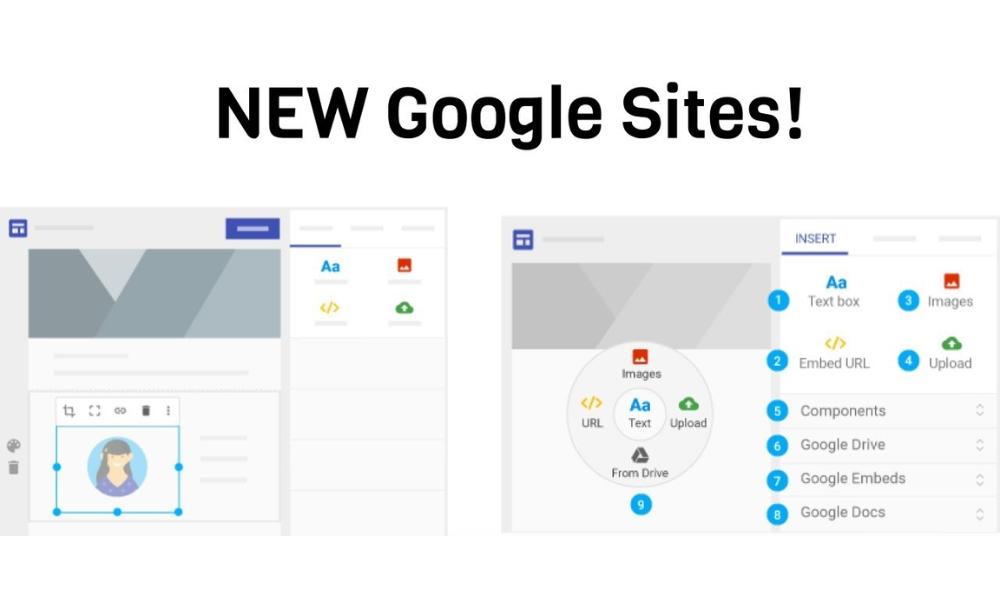
Here are the approaches I use most often with new sites (and yes, they still work in 2025).
1. Broken Pages = Easy Wins
Find web pages that no longer exist and suggest your own content as a replacement. You’re helping another site while gaining exposure for yourself.
Here’s my detailed guide on how to do it well.
2. Guest Posts (The Smart Way)
Find websites in your niche that accept outside contributions. Offer real value—not recycled ideas. And always tailor your pitch.
You can read my no-fluff take on this strategy here.
3. Brand Mentions Without Credit
Ever seen someone mention your brand but not reference your site? Reach out. Politely ask for a link back. It’s fast and low-effort.
4. Contributing to Journalists
Using HARO (Help a Reporter Out) or Qwoted can get you featured in articles that drive both visibility and referrals.
My workflow for media mentions is right here.
5. Data or Visual Assets
Charts, infographics, tools—these get shared. And when they get shared, they get cited.
One tip: Avoid stock-looking visuals. Use original, brand-specific designs. People love linking to things that feel custom and useful.
What I Track and Why
Getting mentioned is great. But is it actually moving the needle? I keep tabs on a few things:
- New referring sites – Are more reputable domains pointing to me?
- Click-throughs – Are those mentions bringing traffic?
- Ranking shifts – Are the pages being recommended climbing in search?
- Authority scores – I don’t obsess over them, but I keep them on my radar.
More importantly, I keep my eye on conversions. Referrals are only useful if they result in actual interest or action.
For a more detailed look, see how I track performance here.
Tools I Trust (And Actually Use)

You don’t need a $2,000/month tech stack. Here’s what I use regularly:
- Ahrefs – My favorite for backlink profiles
- Google Search Console – Basic, but reliable
- Hunter.io – For finding the right person to contact
- Screaming Frog – Great for discovering broken or orphaned pages
- Google Alerts – Handy for finding unlinked brand mentions
Avoid getting distracted by too many dashboards. Keep it lean and focused.
Internal Linking: The Underestimated Power Move
You don’t need another site to get started. By connecting the pages on your own domain, you can pass equity between them and guide users more effectively.
Whenever I publish something new, I always look for older articles that can naturally reference it. Not only does it help with rankings—it helps your readers discover more.
Want to get smart about this? I broke down my approach here.
Common Mistakes I’ve Helped People Avoid
Here’s where most people go wrong:
- Paying for low-quality placements
- Using the same anchor text 20 times
- Forgetting to monitor results
- Sending spammy outreach emails
- Prioritizing volume over value
Internal link: I cover the big no-nos here.
If you focus on consistency and relationships, you won’t need to play dirty.
My Basic Process (That Still Works)
This is what I recommend to clients starting from zero:
- Pick one great page or resource to promote
- Identify 10+ relevant opportunities (broken references, guest prospects, brand mentions)
- Write thoughtful, non-generic outreach
- Track responses and refine the approach
- Keep going—it builds over time
This method doesn’t require a giant team or massive budget. Just effort and clarity.
Closing Thoughts
Let’s be real: earning trust from others takes time. But once you start getting noticed by credible sources, the growth follows.
Don’t stress over chasing every possible link. Focus on relevance, clarity, and usefulness. That’s what gets you long-term visibility—and keeps you out of trouble with Google.And if you ever hit a wall? I’ve shared some of my favorite outreach templates that you can customize to fit your tone.