

Let’s cut to it—link building can feel like SEO’s wild west.
One wrong move and you’re looking at traffic drops, penalties, or (worse) flat results that make you question every hour you’ve poured into outreach.
As someone who’s worked on technical SEO for over 9 years, I’ve seen enough backlink blunders to fill a conference room whiteboard—four or five times over. So today, I’m giving you the no-nonsense version.
These are the link-building mistakes I see way too often—and what I do instead to keep rankings moving in the right direction.
What You’ll Learn in This Post:
- Why focusing on “metrics” alone can backfire
- How to keep anchor text from hurting your credibility
- Why diversity in strategy isn’t just a suggestion—it’s a necessity
- How irrelevant links confuse both users and Google
- Why you should track, support, and clean up your link profile
1. Chasing DA/DR Instead of Relevance
I’ve said it before, and I’ll say it again: DR isn’t everything.
Yes, a high Domain Rating looks good in a report, but if the site has zero topical relevance to yours, what’s the point?
When I vet sites, I go beyond the surface:
- Do they have organic traffic? (Not fake spikes from PPC.)
- Are they ranking for relevant keywords?
- Is their content updated… or does it scream 2017?
I dig into this more in how to find link opportunities. Numbers matter, but context matters more.
2. Over-Optimizing Anchor Text
Let me guess—you want to rank for “best accounting software,” so every anchor link on Earth says… yep, “best accounting software.”
That’s a fast track to over-optimization.
When I build links, I use anchor variety:
- Branded terms (like your company name)
- Partial match phrases
- Natural anchors like “read more” or “this guide”
It keeps things natural. Plus, this guide on anchor text breaks down how to stay safe while still optimizing.
3. Putting All Your Eggs in One Link Strategy
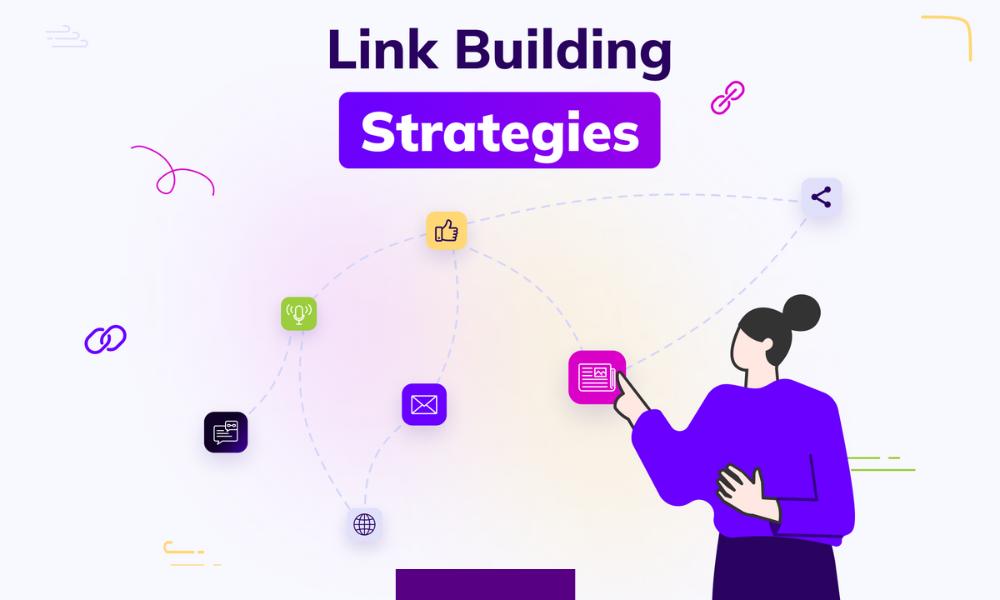
If you’re doing only guest posts or just HARO, you’re limiting your own growth.
Diversifying your approach makes your backlink profile feel earned and organic—not manufactured.
Personally, I mix methods:
- Broken link building
- Link outreach campaigns
- Brand mentions
- Niche edits
- HARO and digital PR
- Guest posting—when done right
Some clients even combine all of these into phased monthly campaigns. That’s how you build real, lasting authority.
4. Trusting Spammy Networks (Yes, I Mean PBNs)
PBNs are like SEO fast food. You might get a little satisfaction, but the regret? Immediate.
These days, using a PBN is like microwaving fish in a shared office—it may technically work, but you’re going to stink up the room and people will notice.
If I can’t trace a site’s trustworthiness, relevance, or content quality, I don’t touch it. Plain and simple.
Need proof? This article explains white vs. black hat link tactics.
5. Building Links With Zero Context
You can’t just drop a SaaS backlink into a cooking blog and expect it to pass value.
Context matters—for Google and humans.
I make sure every link I build appears in relevant, helpful content. Ideally, it should:
- Relate to the target URL
- Make sense to the reader
- Offer real supporting information, not filler
You wouldn’t mention “cloud security” in a dog grooming post (unless, I guess, the dog’s name is Firewall).
6. Funneling Every Link to the Homepage
I get it—your homepage is the star of the show. But if you’re only pointing backlinks there, the rest of your content is starving for authority.
I spread backlinks across:
- Blog posts
- Service/product pages
- Lead-gen landing pages
Then, I use internal linking to guide users (and search engines) to my homepage and other money pages. Simple. Smart. Sustainable.
7. Going Full Speed Ahead With Link Velocity
Building links too fast
Google knows what natural growth looks like. If your brand-new site picks up 300 backlinks in a week, that’s going to raise some eyebrows—and not the curious kind.
My advice? Be consistent, not frantic.
Focus on earning links over time by producing content people want to link to. (Original studies, helpful guides, infographics.)
If you’re short on ideas, here are link strategies that still work in 2025.
8. Forgetting About Internal Links

A lot of people treat internal links like leftovers—fine to have, but not that exciting.
Not me. I use internal linking to:
- Pass authority to lower-performing pages
- Improve crawlability
- Reduce bounce rate
Sometimes the best SEO win is just one internal link away.
9. Skipping Tier 2 Links
If you’re not building Tier 2 links, you’re missing a trick.
When I land a high-quality guest post or editorial mention, I promote that page. That means:
- Sharing it on social
- Linking to it from other blogs
- Using niche edits to give it a boost
Think of it like supporting the support system. Meta, but effective.
10. Letting Bad Links Sit in Silence
Not every backlink is a good one. Some:
- Come from spammy directories
- Are buried in AI-generated content
- Have 0 traffic or trust
I run quarterly backlink audits. If I find bad links, I:
- Try contacting the site owner
- Use Google’s Disavow Tool (with caution)
It’s not glamorous, but it keeps my link profile clean. And that matters more than most people think.
11. Ignoring NoFollow Links
“NoFollow doesn’t pass juice, so it’s useless.”
Wrong. And kinda lazy.
NoFollow links can still:
- Send referral traffic
- Build brand authority
- Lead to better links later
I’ve landed multiple dofollow placements because of initial nofollow coverage. Like a foot in the door that turns into a handshake.
12. Not Tracking Performance
If you’re not measuring link impact, how do you know it’s working?
I track:
- Referral traffic from linked pages
- Ranking movement for target keywords
- Overall link profile growth using tools like Ahrefs
You’d be surprised how often a “meh” link turns out to be a hidden goldmine—or vice versa.
I break this down in detail in how to track link campaigns.
13. Using the Same Link Strategy on Every Site
Every site is different. So why would you use the same cookie-cutter plan?
I assess:
- Site history
- Content structure
- Niche competition
- Page speed and crawlability (yep, I check that too)
That’s how I know whether HARO is a fit—or if we should focus on niche edits or guest content instead.
Final Thoughts
Link building isn’t about quantity anymore.
It’s about relevance, trust, and long-term growth.
The truth is, I’ve made some of these mistakes myself—early on. But fixing them is what helped me grow client traffic by 2x, 4x, even more—across industries.
If you want links that actually work, skip the shortcuts.
Focus on relevance, context, and consistency. And if you’re ready to go deeper, start here with how I build high-quality backlinks.