Introduction
I’ve seen it time and time again—brands pumping out content like a caffeine-fueled idea machine… and still struggling to get results. Why? Because without the right KPIs, you’re not measuring progress. You’re guessing. And guessing isn’t a strategy—it’s a gamble.
In this post, I’ll break down the specific social media KPIs I focus on with clients, why they matter, and how they help move the needle on awareness, engagement, and ROI.
What You’ll Learn:
- What social media KPIs are (in plain English)
- The essential metrics I track for real growth—not just pretty graphs
- How to align KPIs with your business goals
- Which tools actually make my job easier (and might help you too)
- The silent killers: metrics you think matter but don’t
- How to put all this data to work
1. Let’s Start With the Basics: What Are KPIs Anyway?

Forget the jargon. KPIs are just the numbers that tell you whether what you’re doing is working—or wasting time. In social, that means tracking more than just likes and follower counts.
If you’re only watching vanity metrics, you’re flying blind. I explain more about that in my social performance monitoring guide, which dives into spotting what actually matters.
2. The Social Media KPIs I Track Like My Morning Coffee Schedule
Reach & Impressions
Want people to know your brand exists? Start here.
- Reach shows how many unique eyeballs saw your post.
- Impressions show how often it appeared.
If your reach is low, your content probably isn’t resonating—or Meta’s algorithm is just having a bad day.
Engagement Rate
Are people reacting, commenting, sharing, saving? Good.
- This KPI tells me if content is sparking action, not snoozing feeds.
- And if it’s not working? Time to tweak the strategy.
I use this a lot when optimizing campaigns, which I’ve broken down further here.
Click-Through Rate (CTR)
This one cuts through the fluff. It shows whether your audience is intrigued enough to do something.
- Measured as clicks divided by impressions.
- A low CTR? Probably a weak CTA or the wrong offer.
Conversion Rate
The MVP of KPIs.
- Are people doing what you want—buying, signing up, downloading?
- This connects your social performance directly to revenue.
Also, it’s central to my work in ROI optimization strategies.
Follower Growth Rate
No, not just “follower count.” That’s old-school.
- I measure how fast you’re growing—organically and sustainably.
- Sudden spikes? Cool. Steady growth? Even better.
Response Rate & Time

Fast replies build trust. Slow replies… well, let’s not go there.
- Especially important for brands using DMs or support through social.
- I cover how this impacts brand sentiment in improve social content performance.
3. Wait—Aren’t Some Metrics Just… Noise?
Yes. 100%.
Likes? They feel nice. But if they don’t lead to action, they’re just social sugar.
- I’ve ditched metrics that look good in reports but don’t move the business forward.
- That’s why I use performance monitoring tools to separate the signal from the noise.
4. Align KPIs With Real Business Goals (Not Just Reports)
Here’s how I keep it clean:
- Brand Awareness Goals → Focus on reach, impressions, and share of voice
- Engagement Goals → CTR, saves, shares, and comments
- Revenue Goals → Conversion rates, cost per lead, ROAS
The KPIs you choose should match what your business is actually trying to do. Not just what looks impressive in a deck.
5. Tools I Use to Track KPIs Without Losing My Mind
I like dashboards that make data digestible. Here’s what’s in my toolbox:
- Meta Business Suite – Clean, native insights
- Google Analytics (GA4) – For traffic and conversions
- UTMs – Because “guessing” source traffic is for rookies
- LinkedIn Campaign Manager – If you’re in B2B
- And yes, I still use spreadsheets (because I’m weirdly loyal)
Need help setting these up? My monthly checklist walks through it.
6. My Go-To Optimization Loop (AKA: What Happens After I Track)
I don’t just collect data—I act on it. Here’s how:
- Audit weekly – Small issues snowball fast
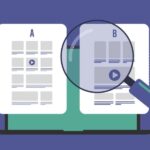
- Test variables – Headlines, images, CTAs (A/B testing anyone?)
- Refine campaigns – I show how here
- Repeat what works – Obvious, but most people skip it
- Kill what doesn’t – No mercy for underperformers
And yes, the loop never ends. Which is why I believe in continuous optimization.
7. Quick Red Flags I Watch for (So You Don’t Panic Later)
- Sudden drop in reach? Might be an algorithm tweak.
- CTR nosediving? Could be your audience getting bored.
- High engagement, low conversions? Time to revisit the offer.
Spot these early, and you’ll avoid wasting weeks on dead-end strategies.
8. Final Thoughts: KPIs Aren’t Just Numbers—They’re Direction
If you’re not measuring with intention, you’re just posting into the void.
Tracking KPIs isn’t about looking fancy in a meeting. It’s how I actually grow brands. It’s how I turn attention into revenue, impressions into insight, and content into conversion.
And if you’re serious about making your marketing work smarter, not louder—start with the right KPIs. Or just keep chasing likes. Up to you.