

If you’ve spent any time doing SEO, you’ve likely run into one of the trickiest parts of the job: earning authority from other websites. The art of getting those mentions—that magical nod from one site to another—is where things often go sideways.
Some professionals play fair. Others… not so much.
In this post, I’m going to break down two very different approaches to acquiring off-site authority: the clean, compliant way and the not-so-clean shortcut-filled version. One builds trust. The other builds trouble.
Let’s walk through what separates ethical tactics from shady schemes and how I approach this critical area of SEO without putting a site at risk.
What You’ll Get from This Post
Before we go any further, here’s a quick preview of what’s ahead:
- How I define and approach ethical authority-building techniques
- The methods I avoid completely (unless you enjoy Google penalties)
- A simple comparison of good vs. bad practices
- Advice to help you stay safe and still succeed
Quick Refresher: What Do We Mean by “Link Building”?
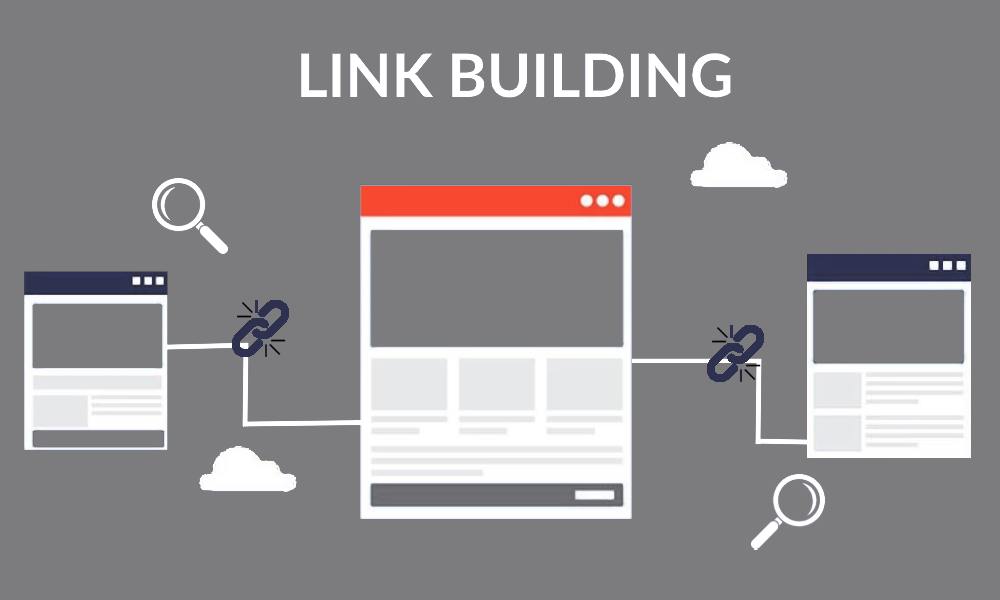
In the simplest terms, it’s the process of earning references from other sites to your own. These references (or endorsements, really) signal to search engines that your content has value.
It’s a major part of off-page SEO. And unlike content creation or technical improvements—which you control fully—earning mentions from others? That’s a little more complex.
Want a step-by-step beginner breakdown? You can check out my post on how it works here.
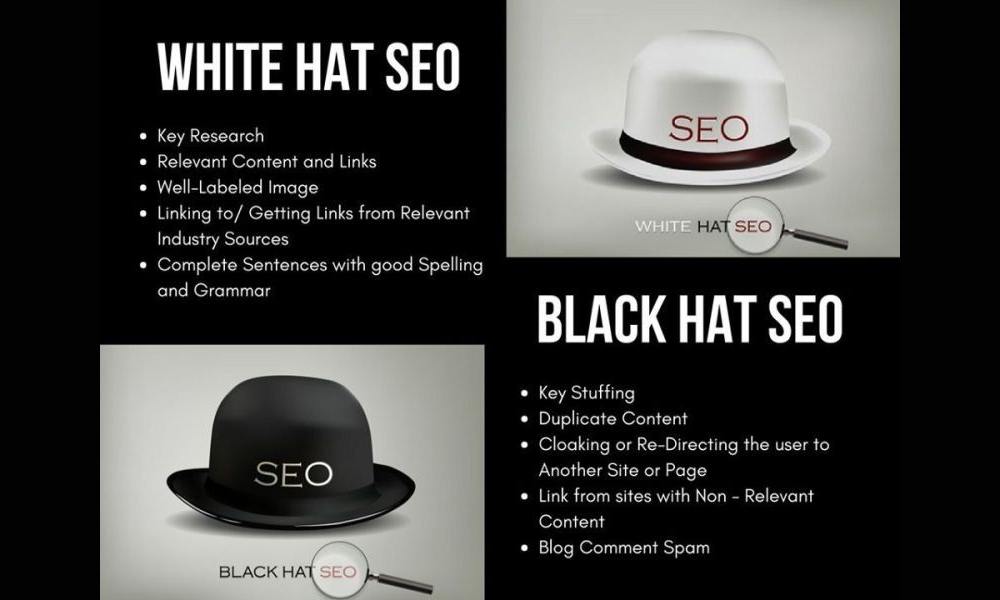
The Right Way (a.k.a. White Hat Techniques)
This is the path I take with every client. These methods follow search engine rules, respect users, and, best of all, work consistently over time.
Let’s look at some of my go-to approaches.
Guest Posts That Actually Provide Value
When done with quality and intent, guest writing is one of the best ways to earn relevant mentions and build authority. I don’t mean stuffing a generic post onto any site that will take it—I mean real contributions to respected blogs in your industry.
I’ve written for some solid domains using this exact method.
Want to learn the dos and don’ts? Here’s my full breakdown.
Broken Link Opportunities
Sites don’t always keep their content tidy. Pages get removed. Resources go missing. When that happens, you’ve got an opportunity to suggest your own content as a better (working) alternative.
It’s like cleaning up the internet—while benefiting from the fix.
My complete playbook on this is here: Broken Link Building Strategy
The Skyscraper Method
This one’s clever: find a topic already attracting mentions, create something better (deeper, newer, clearer), and reach out to those linking to the original.
Better content = better reason for others to reference you.
Contributing to Media via HARO
If you’re not using Help a Reporter Out, you’re missing out on a powerful source of credible citations from news sites and industry blogs. I use HARO to position my clients as experts while building connections with high-authority publications.
Visual Assets and Tools
One underrated tactic? Creating charts, infographics, calculators—anything that others naturally want to reference.
I’ve seen a well-made visual earn more mentions than ten blog posts combined.
The Shortcut Trap (Black Hat Tactics I Don’t Touch)
These techniques might work short-term. But trust me, they never age well. Here are some of the most common offenders—and why I stay far away.
Buying Your Way In
Paying for placement may sound like a time-saver. But it’s risky, usually overpriced, and often ends with a penalty that wipes out your rankings.
That $300 link might cost your entire traffic flow.
PBNs: The Digital House of Cards
Private Blog Networks are a favorite of aggressive SEOs. They involve building—or renting—fake sites just to push authority back to a “money page.”
They’re designed to look legit. But if Google catches the pattern (and it usually does), the fallout isn’t pretty.
Link-for-Link Schemes
“Hey, you link to me and I’ll link to you!”
Tempting, but dangerous—especially if done at scale. These mutual back-scratching tactics used to work. Now? They can make your entire profile look manipulated.
Spammy Comments
Still seeing those weird blog comments like:
“Great post! Check out my site: totallylegitbestseooffer.ru”
Don’t be that person.
Even if you try to do this nicely, most links in comments are marked as nofollow, meaning they don’t pass value. So… you’re risking your brand reputation for almost nothing.
What About “Gray Hat” Methods?
Ah yes—the ethical twilight zone. These are tactics that aren’t clearly black or white.
Examples:
- Guest posting on low-quality content mills
- Using expired domains to redirect traffic
- Swapping links between three or four sites to avoid detection
Technically? You might get away with them for a while.
But in my experience, they’re not worth the gamble.
I’ve had clients come to me after trying these approaches, wondering why their traffic dropped by 60%. The reason? Search engines eventually catch on. Always.
Side-by-Side: Clean vs. Shady Approaches
| Approach | Ethical Tactics | Risky Shortcuts |
| Trust from search engines | Earned naturally | Artificial and risky |
| Long-term value | Grows with time | Can vanish overnight |
| Tactics used | Guest posts, HARO, broken links | PBNs, paid links, link swaps |
| Compliance | Within official guidelines | Often violates search rules |
| Penalty risk | Low | High |
My Recommendations for Safer, Smarter Authority Building

If you’re trying to build recognition and rankings without burning bridges, stick to strategies that make sense to real humans. That’s always been my north star.
Here’s what I suggest:
- Prioritize relevance over high metrics. A small niche blog can be more valuable than a giant directory.
- Audit your profile regularly. Clean up shady referrals and disavow toxic ones.
- Be intentional with outreach. Skip the mass templates—write like a human.
Want help with that? Check my guide to link outreach that doesn’t get ignored. - Create content people want to reference. Deep research, clear visuals, and original data go a long way.
- Focus on quality mentions from trusted sources. Tools like Ahrefs or Semrush can help evaluate that.
- Keep an eye on your performance. If you’re investing in these strategies, you need to know what’s actually working. My process? Track, review, and adapt. Here’s how I measure results.
Common Questions I Get (Often at 2 a.m.)
“Can I buy just one link?”
You can. Should you? Not unless you like unnecessary risk and poor ROI.
“Is guest posting still okay?”
Yes—if it adds value. If it’s purely for getting mentioned, and it feels forced, it won’t help much.
“How do I know if a mention is hurting me?”
Tools like Google Search Console and Ahrefs can help you spot shady referrals. Look for unnatural patterns or low-quality sources. If in doubt, disavow.
Final Thoughts
There’s a reason I stick to ethical strategies: they work.
Not just today, but six months from now, when Google rolls out another update and your rankings don’t tank.
I’ve seen what happens when someone chooses speed over sustainability. So I build relationships, not loopholes.
If you’re unsure about where to start or what’s dragging your rankings down, I’m here. Let’s make sure your authority is earned—not borrowed from someone else’s scheme.
Got questions? Reach out to me here. I love talking clean SEO strategy. (And no, I won’t try to sell you a magic backlink package.)