


If you’re spending money on social ads but not sure who’s actually seeing them, we need to talk.
One of the most common mistakes I see—both from solo founders and large marketing teams—is treating social ad targeting like a checkbox. Set it once, and forget it. The problem? If your ads aren’t reaching the right people, they’re not just ineffective—they’re expensive.
With more than 9 years managing paid campaigns, I’ve made my fair share of targeting missteps (yes, even I’ve once served B2B SaaS ads to yoga moms at 10 p.m.). But over time, I’ve built a system that works—and works consistently.
Here’s how I target the right audience with paid social ads—so they convert, not just impress.
Start with Who You Actually Want
Before we talk algorithms, platforms, or lookalike audiences, let’s start with the basics: who are you trying to reach?
This might sound obvious, but it’s not. Many advertisers default to a broad demo—”people aged 18–54 who like tech”—and wonder why their conversion rates look like ghost town foot traffic.
When I build a campaign, I break down my audience using four key buckets:
- Demographics: Age, gender, income, education level
- Location: City, region, or radius targeting
- Interests: Brands followed, groups joined, pages engaged with
- Behaviors: Website visits, video views, cart activity
It’s not just about defining them. It’s about figuring out what they do online, and why they’d care about what you’re offering.
This early step makes all the difference. If you skip it, every other decision is guesswork.
Segmentation Is Where the Magic Happens

You know what doesn’t work? Treating your entire audience the same.
My go-to strategy: segment first, sell second.
For example, I may run different creatives for:
- Cold audiences (people who’ve never heard of the brand)
- Warm leads (those who visited the website or engaged with social content)
- Hot prospects (cart abandoners, email subscribers, etc.)
Even if the offer is the same, the message changes. Cold users might get an explainer video. Warmer leads might see a testimonial. Retargeted visitors get a reminder (usually with a nudge like limited-time offers).
Segmentation is more than organization. It’s about giving the right message to the right person at the right time.
Pick the Platform That Matches the Person
Let’s be real—not every platform works for every campaign. I choose based on where the audience hangs out and how they like to consume content.
Here’s how I typically break it down:
- Meta (Facebook & Instagram)
Best for full-funnel campaigns. Its Custom Audiences and Lookalikes are powerful—especially when I’m running campaigns focused on conversion. Plus, Meta’s data tools are solid if you know where to look (and what to ignore). - LinkedIn
Fantastic for B2B. If I need to reach CMOs in SaaS or HR directors in healthcare, LinkedIn gets it done. Just be ready for higher CPCs—and have an offer that justifies the cost. - TikTok
Surprisingly useful for driving top-of-funnel engagement. Targeting here works best when your creative looks like native content. No one wants a boring pitch sandwiched between dance challenges.
(For a deeper comparison, I broke down performance insights on Facebook vs Instagram ads.)
Retargeting: Where the Profits Hide
If you’re not retargeting, you’re doing paid ads with one hand tied behind your back.
Here’s how I approach it:
- Website-based retargeting: I use the Meta pixel or LinkedIn Insight tag to capture visitors and show them product reminders, offers, or testimonials.
- Engagement-based: Users who watched a video, saved a post, or DMed the brand get retargeted with custom creatives. These are your warmest leads—they want to hear from you.
- Cart abandonment: Still the highest ROI segment. I send these users dynamic ads or time-sensitive discounts to bring them back.
This isn’t spam. It’s relevance. And when done right, it cuts through the noise faster than any cold campaign.
Always Be Testing (Even When It Hurts)
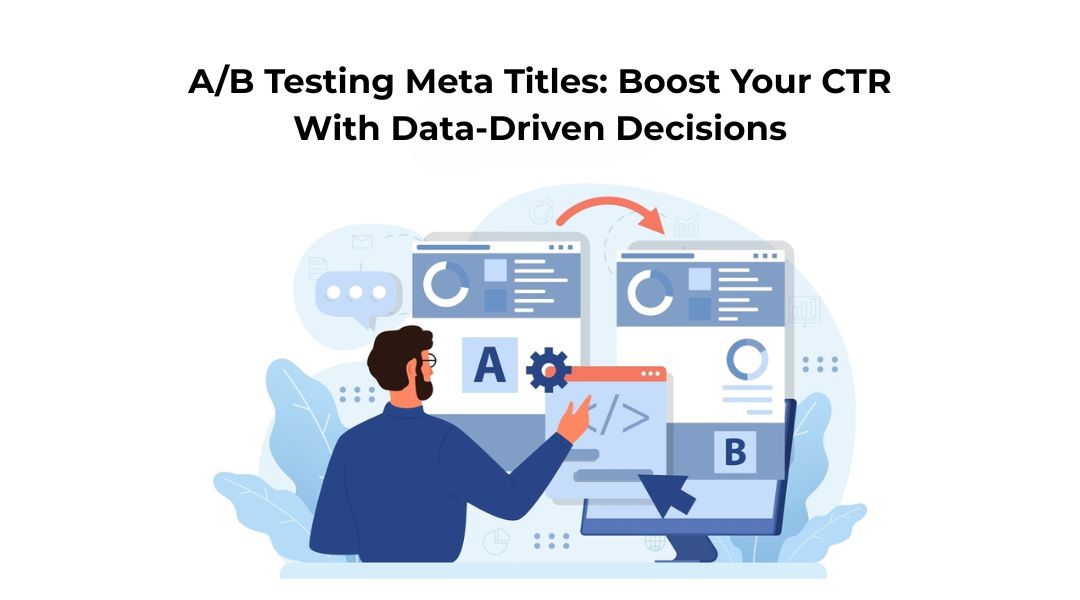
Here’s an inconvenient truth: your “best idea” might not be the winning one. That’s why I test everything.
In most campaigns, I split test:
- Headlines and CTAs
- Image vs. video formats
- Ad placements (feed vs. Stories)
- Tone of voice (casual vs. direct)
And I don’t just test once and move on. I test throughout the campaign lifecycle. Performance changes over time. What worked in Week 1 may not work by Week 3.
(If you’re wondering how I structure these tests, check out my guide to A/B testing.)
Don’t Chase Likes—Follow the Right Metrics
Social likes feel good. But clicks, conversions, and purchases pay the bills.
I focus on:
- CTR (Click-Through Rate): Shows how engaging the ad actually is
- CPC (Cost Per Click): Helps me evaluate efficiency
- Conversion Rate: The metric that actually matters
- ROAS (Return on Ad Spend): The final score
All of this is tracked using Meta Business Suite, UTM parameters, and Google Analytics. Yes, I get a bit geeky here—but data makes the difference between good and great.
(More on the metrics that matter here.)
Avoid These Common Targeting Fails (I’ve Made Them All)
Here’s where it gets honest. I’ve learned a lot by watching budgets burn.
Mistakes I’ve either made (or helped fix for others):
- Targeting too broad—trying to reach everyone means reaching no one.
- Forgetting to exclude past converters—yep, I’ve sold the same thing to the same person twice.
- Ignoring mobile vs. desktop behavior.
- Not refreshing the audience for weeks (or months).
If your campaigns aren’t hitting the mark, start by reviewing your targeting setup. 9 out of 10 times, that’s where the issue lives.
(You’ll find more red flags in my post on common paid social ad mistakes.)
The Right Audience, Every Time

Targeting isn’t a one-time setup. It’s an ongoing conversation between your message and your market.
Here’s the short version of how I target the right audience with paid social ads:
- I define real people with real data.
- I segment smartly—based on behavior, not just demographics.
- I pick platforms that match intent and attention span.
- I retarget like a pro, with creative that actually moves people.
- I test. Then I test again. Then I test some more.
- I track what matters, and I ignore the noise.
Paid ads aren’t magic. They’re math + message. If you get both right—and aim them at the right audience—you win.(Want to make your budget go further too? My social ad budgeting breakdown can help you plan smarter.)