

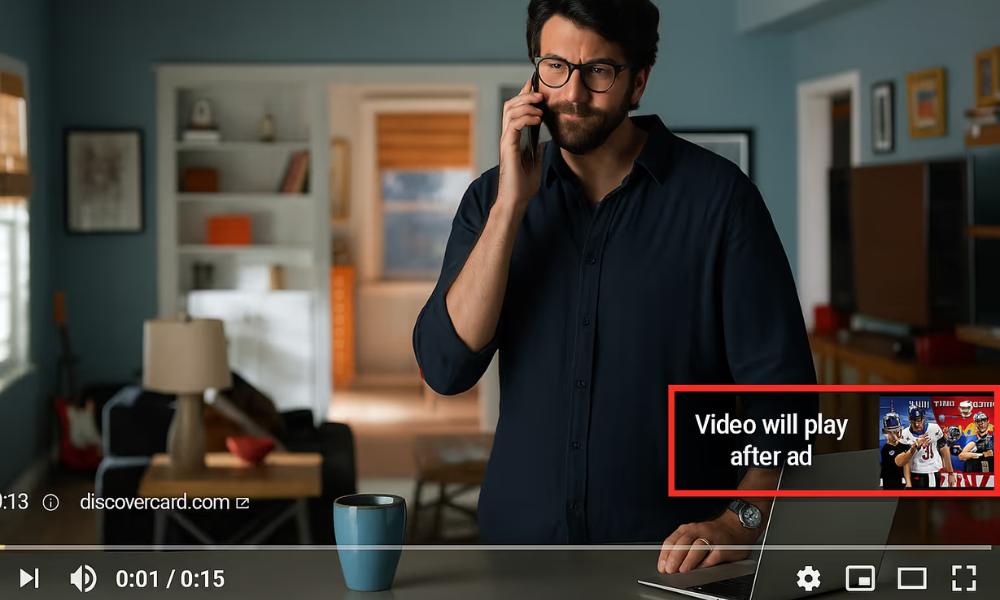
If you’ve ever run a YouTube ad campaign—or even watched a few dozen videos—you’ve probably encountered both types of ads: skippable and non-skippable.
One gives the viewer control. The other… not so much.
The big question clients ask me all the time is this:
Which one actually performs better? And like most good marketing questions, the answer is: it depends.
But don’t worry—I’m not going to leave you hanging. In this guide, I’ll break down exactly how I think about these formats when building campaigns for different goals, budgets, and audiences.
What You’ll Learn in This Guide
- Key differences between skippable and non-skippable YouTube ads
- Pros and cons of each format
- Which format suits different stages of the funnel
- Budget considerations for both
- Creative best practices for each
- When to test—and when to commit
First, What Are Skippable and Non-Skippable YouTube Ads?
Let’s clear up the basics.
Skippable In-Stream Ads
These are the ads you can skip after five seconds. They can run before, during, or after the main YouTube video. You only pay when a viewer watches 30 seconds, the full ad, or interacts (clicks, for example).
Great for:
- Lower-funnel goals like leads and conversions
- Storytelling ads that need more than 6 seconds
- Brands that want to earn attention, not force it
Non-Skippable In-Stream Ads
These can’t be skipped. They run 15–20 seconds long and are paid for based on impressions (CPM model). The viewer has to sit through the entire thing to get to their video.
Great for:
- Brand awareness campaigns
- Time-sensitive promotions or product launches
- Messages that need complete attention
Need help choosing formats overall? Check this out:
YouTube Ad Formats Explained
Pros and Cons of Skippable YouTube Ads
Pros
- Cost-efficient: You only pay when someone watches 30 seconds or more.
- Viewer-friendly: If they’re not interested, they move on—and you don’t get charged.
- Flexible: Works well with longer videos (up to 6 minutes).
- Great for direct-response: Viewers who stay are likely engaged.
Cons
- 5-second deadline: If your hook doesn’t work, they’re gone.
- Higher creative pressure: You’ve got to earn the view.
- Not guaranteed exposure: If too many skip, your message gets lost.
This is my go-to for clients focused on performance marketing. Think leads, trial signups, or retargeting warm traffic.
For high-performing creative advice, check out:
How to Create High-Converting YouTube Video Ads
Pros and Cons of Non-Skippable YouTube Ads
Pros
- Guaranteed message delivery: Viewers have to watch your entire ad.
- Good for tight storytelling: 15–20 seconds to hit one key message.
- Stronger for brand lift and recall: Especially for awareness campaigns.
- Ideal for reach: You can get high volume quickly with CPM bidding.
Cons
- Can feel intrusive: Viewers didn’t ask for it—and can resent it.
- No skipping = no filtering: You pay whether they’re interested or not.
- Limited to 15–20 seconds: If you need more time, it’s not your format.
- Costs add up: Since you’re paying for impressions, it’s easier to burn through budget.
This is where I go when clients want maximum visibility—like during a product launch or seasonal offer push.
Which One Should You Use Based on Campaign Goals?

Use Skippable Ads When:
- You’re optimizing for conversions
- You want to test hooks and ad creatives affordably
- You’re targeting warm traffic or doing retargeting
- You’re willing to let viewers self-qualify
Use Non-Skippable Ads When:
- You’re building brand awareness
- You’re promoting a limited-time offer
- You’re launching a new product
- You want to guarantee full message delivery
- You have a CPM-focused budget
Pro tip: I often start with skippable ads, and once I know the creative works, I repurpose it into a non-skippable format with slight adjustments.
Budget and Bidding Considerations

Here’s where things get a little technical—but also critical.
| Ad Type | Pricing Model | Common Bid Type | Good Starting Budget |
| Skippable | CPV or CPA | Max CPV, Target CPA | $10–$30/day |
| Non-Skippable | CPM | Target CPM | $50–$100/day |
Skippable ads give you more control. You can adjust bidding based on actual performance and quickly cut underperformers. Non-skippable ads are great for broad reach, but be prepared to monitor closely to avoid waste.
Want to get smarter with budgeting? Read:
Budgeting for YouTube Video Ads
Creative Strategy: They’re Not One-Size-Fits-All
Skippable Ad Tips:
- Open with a strong hook—your first 5 seconds make or break it
- Add movement or voice-over early to keep attention
- Use on-screen text to reinforce your CTA
- Aim for 30–60 seconds max for performance ads
Non-Skippable Ad Tips:
- Get to your main message immediately
- Don’t cram in multiple offers—stick to one point
- Use music or visuals that feel cinematic
- Add a hard CTA at the end: “Go to yoursite.com to claim now”
For help writing killer scripts, here’s a helpful resource:
YouTube Ad Script Writing Tips
Still Not Sure? Test Both Formats
You don’t have to pick one forever. I’ve seen great results running A/B tests where we:
- Use the same message in both formats
- Adjust pacing and CTA placement
- Measure performance based on view rate, CTR, and conversions
Let data lead. If one format clearly drives better cost-per-conversion, you’ll know where to scale.
You can also combine both in a sequence:
- Start with skippable for traffic or retargeting
- Follow up with a non-skippable brand ad to reinforce recall
Let the Goal Decide, Not Your Gut
Look, I’ve had clients swear by one format… until we tested both. The truth is, each format has its place. What matters is what you want from your campaign—and how your audience reacts to your message.
So, should you use skippable or non-skippable YouTube ads?
- If you want efficiency and flexibility: go skippable
- If you want reach and guaranteed views: go non-skippable
And if you want to make the most of either, start here:
How to Set Up a Successful YouTube Ad Campaign