
If you’re spending time (or money) on content but not tracking what it actually does, you’re working on guesswork—and I don’t recommend building strategy on a hunch. Whether you’re promoting posts with ad spend or publishing optimized blogs and social updates, the big question remains: is any of it working?
I’ve managed campaigns across the spectrum—from quick-turn ad launches to slow-burn SEO-driven efforts. The magic isn’t in choosing between paid or free reach. It’s in knowing how each performs and using that intel to move your business forward.
Here’s what we’ll unpack in this guide:
- What separates paid from unpaid content—and why it matters
- What performance signals I actually pay attention to
- Tools that help me track results (without drowning in dashboards)
- Why both types of content need each other
- Pitfalls I see too often—and how to avoid them
Let’s get into it—without turning this into a metrics-only snoozefest.
1. Paid Reach vs. Organic Discovery: What’s the Difference?
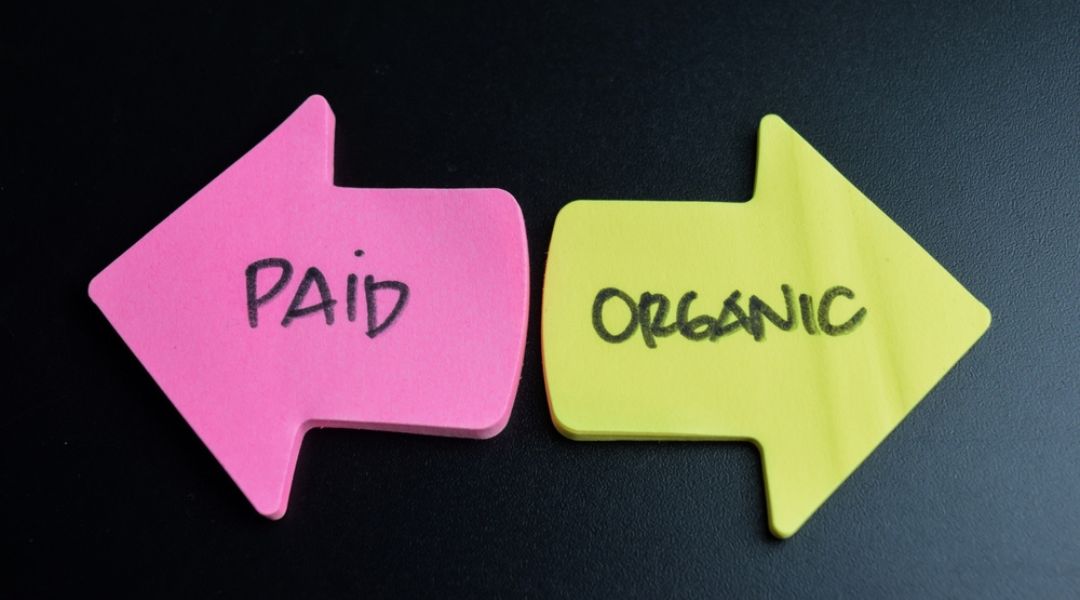
Let’s clear this up first: when I say “paid,” I’m talking about posts or campaigns that cost money to show to specific people. Think Meta ads, LinkedIn promotions, or Google PPC. You’re buying exposure—fast and often targeted.
Unpaid reach, on the other hand, comes from content that earns attention without ad spend. That could be SEO blog posts, social updates, or even a funny meme that catches on.
Here’s how I see the difference:
Promoted efforts (a.k.a. paid):
- Great for quick results
- Easy to scale if it’s working
- Precise targeting (demographics, behaviors, etc.)
- But yeah… it costs
Organic efforts (a.k.a. unpaid):
- More trust-building over time
- Takes longer to show results
- Heavily reliant on content quality and consistency
- Free in dollars, not in effort
It’s not about one being better. It’s about knowing what each is built for—and then measuring accordingly.
2. What I Track—and What I Don’t Waste Time On
Let’s get real: not all metrics are created equal. Some look impressive on reports but mean nothing when it comes to results.
Here’s what I actually monitor for sponsored content:
- CTR (Click-Through Rate): Are people clicking through?
- Conversion Rate: Are they taking action afterward?
- Cost Per Result (CPC, CPL): How much am I spending per outcome?
- Frequency: Are people seeing this ad too many times? Ad fatigue is real.
For non-sponsored content, my focus shifts:
- Engagement Rate: Comments, saves, shares—are people interacting?
- Time on Page: Are they sticking around or bouncing in 3 seconds?
- Keyword Ranking: Where’s my content showing up in search engines?
- Repeat Visitors: Are people coming back?
If you want a more detailed breakdown, I walk through my exact tracking process in this guide.
3. The Tools I Actually Use

There are a lot of analytics tools out there. I don’t use them all. I just use the ones that make sense.
Here’s my core stack:
- Google Analytics 4: Still the MVP for understanding user behavior
- Meta Ads Manager: For ad-specific performance insights
- UTM Links + Campaign URL Builder: Tracks sources, mediums, and campaigns—no more guessing
- Looker Studio Dashboards: Makes client reports clean and digestible
- Search Console: For unpaid traffic insights directly from Google
These tools help me stay focused on what’s working, not just what’s happening. Want to build your own stack? I break that down here.
4. Using Insights to Improve—Not Just Observe
Data is great. But data that just sits in a spreadsheet? That’s digital clutter.
I use performance tracking to adjust:
- Messaging (what’s resonating?)
- Audience targeting (are we showing this to the right people?)
- Content formats (are videos getting more watch time than static posts?)
- Timing (do Mondays tank and Thursdays pop?)
One tip? Always look beyond top-level data. For example:
- High reach but low engagement = weak hook
- Great CTR but poor conversions = check that landing page
- Lots of comments but no shares = content might be polarizing (not always bad!)
Need help converting numbers into changes that matter? I touch on this more in this post on actionable analysis.
5. What I Do When Paid and Unpaid Work Together
Here’s where it gets fun.
Let’s say a post does well on its own—strong comments, lots of saves. That’s a sign. I’ll take it, clean it up if needed, and put ad dollars behind it. Why guess when the audience already told me it works?
Or maybe a paid ad does better than expected. I’ll dig into the copy, creative, or keyword used—then apply that insight to blog posts or social content for free distribution.
It’s what I call feedback looping between content types. And yes, I talk about this kind of strategy here.
Paid and unpaid reach shouldn’t be in separate silos. They should be swapping notes.
6. The Mistakes That Kill Performance Tracking
Here are a few mistakes I’ve either made early on (oops) or seen clients make too often:
Mistake #1: Tracking everything
More isn’t better. You don’t need 67 KPIs. You need 4–5 solid ones that align with your campaign goals.
Mistake #2: Forgetting to tag links
If you’re not using UTM tracking, you’re missing the full picture. Don’t let your hard-earned traffic end up in the “Direct” black hole.
Mistake #3: Ignoring organic winners
Some folks obsess over ad performance and completely ignore what unpaid posts are doing. That’s wasted potential.
To stay on track, I review monthly using this performance checklist. It keeps things tight and to the point.
7. Do You Need to Pick One?
Short answer: No.
Long answer: It depends on your goals.
If you need traffic fast—like, for a time-sensitive promo—go with promoted campaigns. But if your goal is to build a credible brand people trust over time? Then unpaid discovery should be your baseline.
Here’s the thing though: they work better together.
Use fast-turn ad insights to improve long-term SEO strategies. Use organic data to validate ad creative before you spend. That’s the blend that works.
I dig into how I balance both approaches here, if you’re curious.
8. Wrap-Up: What to Do Next

If you’re just starting to track performance—or if you’ve been winging it with metrics that don’t tie back to results—here’s what I’d do:
- Define one goal for your promoted campaigns (leads, sales, clicks, etc.)
- Choose 3–4 engagement signals for your unpaid efforts (shares, watch time, scroll depth)
- Tag everything
- Run tests and review weekly
- Update your approach monthly based on what’s working
And most importantly, don’t let the data overwhelm you. Focus on insights, not perfection.
If you need help refining your reports, I’ve written about how to create results-driven reports without turning them into a 15-page novel.