


I’ve seen it time and time again—brands focus entirely on acquiring backlinks and publishing new blog posts, but completely overlook the power of how their own pages talk to each other. You know, the kind of behind-the-scenes structure that actually helps search engines make sense of your site.
Here’s the thing: you can have the best-written content on the internet, but if your internal structure is a mess, that content might as well be invisible.
Let me show you how I approach this underappreciated technique, and why it plays a key part in every SEO strategy I build.
Here’s What You’ll Learn
- The real purpose behind cross-page connections
- Why your strongest-performing pages should share the spotlight
- How I avoid common mistakes (without making it complicated)
- A lightweight routine to keep everything clean and crawlable
- And yes, when to link from your homepage—and when not to
1. First Things First: What Internal Connections Actually Do
If you’ve ever clicked from a blog post to a related guide on the same site—congrats, you’ve followed an internal path.
These connections tell search engines two things:
- What matters most on your site
- How different pages relate to each other
They also guide your readers. Well-placed links can keep people engaged longer and prevent them from bouncing away to some competitor with shinier navigation.
The key is to use them with intent—not just as a checkbox in your SEO audit.
2. Why I Don’t Skip This Step in My Strategy
When I work with clients, one of the first things I do is look at how their pages are connected. I don’t mean the homepage menu—I mean real, contextual references between content pieces.
Here’s what I get out of it:
Faster Discovery
Search bots need paths to find your content. The fewer clicks it takes to reach a page, the more likely it is to get crawled and show up in results.
Authority Distribution
Say you’ve got one piece that attracts backlinks like a magnet (like my guide to high-quality outreach tactics). I’ll often link from that piece to newer, less visible content to help it gain traction.
Better User Flow
I’m not just optimizing for robots. When visitors find relevant posts quickly, they stick around longer. That alone sends all the right signals to search engines.
3. My Guidelines for Smart Internal Connections
Let’s not overthink this. My rule is simple: If it helps the reader and makes sense contextually, it deserves a link.
Here’s how I make it work:
Vary the Text
I mix up how I reference other pages. Exact-match keywords? Sometimes. But more often, I use variations or synonyms that reflect the topic. I might say “this post on earning editorial coverage” instead of reusing the same anchor repeatedly.
Need examples? I talk more about this nuance in my post on how to use anchor text correctly.
Start With Top-Performing Pages
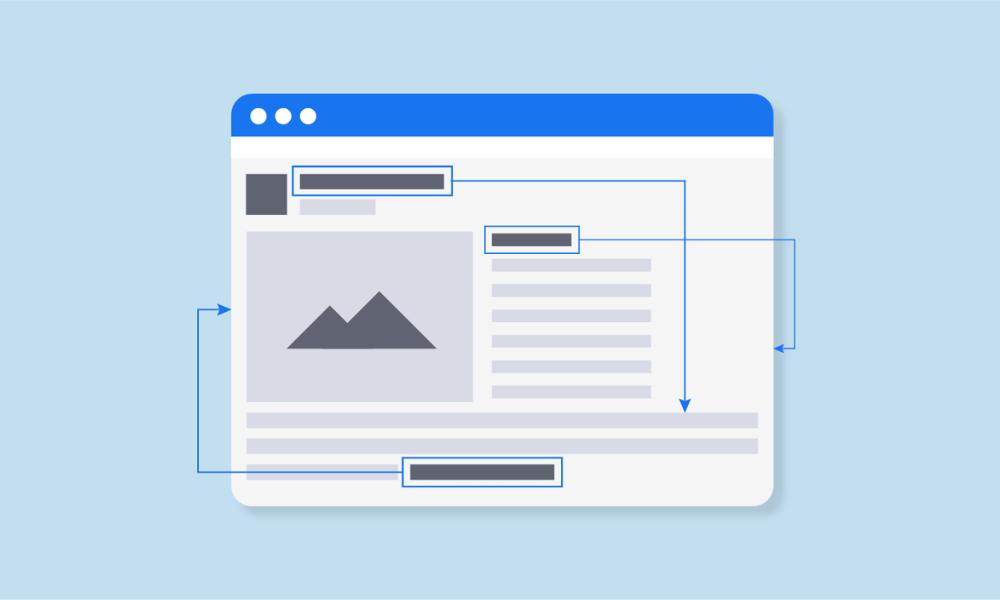
I often begin with content that already ranks or brings in traffic. If those pages link to others, they transfer some of that momentum. This is how I helped a relatively new page start climbing within weeks.
Prioritize Placement
I try to include at least one contextual reference early on—maybe even in the first section—if it makes sense. But if a link distracts from the point of the introduction, I hold off.
4. My Internal Review Process (Simple and Repeatable)
Twice a year, I run a quick internal audit. Here’s my go-to process:
- Find high-authority pages
I use tools like Screaming Frog or Search Console to find pages with the most inbound strength. - Check for dead ends
I look for orphaned content—pages with no internal references pointing to them. - Balance your structure
If I see older blog posts linking only to outdated articles, I update them with current references. - Evaluate depth
Ideally, most content should be reachable within 3 clicks. If it’s buried too deep, I adjust.
This takes me about an hour—and it keeps things clean without blowing up the roadmap.
5. Automating Internal Structure? Hard Pass.
I’ve tested plugins that auto-link keywords across a site. Here’s what happened:
- The links were out of place
- I had no control over the surrounding context
- My anchor text became repetitive—and honestly, a bit spammy
So no, I don’t recommend automation for this. Nothing replaces human judgment here.
6. Real-World Internal Strategy: What I Do (and Don’t Do)
Let’s keep it practical. These are actual habits I stick to:
I link to new pieces from older evergreen content
Especially guides that still get steady visits. That boosts visibility for the newer posts while giving readers extra value.
For instance, after publishing my article on how to build backlinks without spam, I went back and added mentions in several older posts that discussed outreach and authority.
I don’t flood pages with 50+ links
There’s no magic number, but more isn’t always better. I ask myself: Would this help me as a reader? If not, I skip it.
I connect related topics—but keep the focus tight
If a guide is about guest posting, I’ll link to related resources like what works in backlink outreach or finding niche opportunities—but I won’t dump a bunch of unrelated links in just to tick a box.
7. Strategic Homepage Connections
Your homepage has influence. I often link out from mine to cornerstone content or blog hubs. For example, if you check mine, you’ll see links pointing to some of the most frequently read resources—like my beginner’s guide to link strategies.
Why? Because it’s a trusted page. And spreading that trust helps new content get picked up faster.
8. Avoiding Common Internal Link Pitfalls
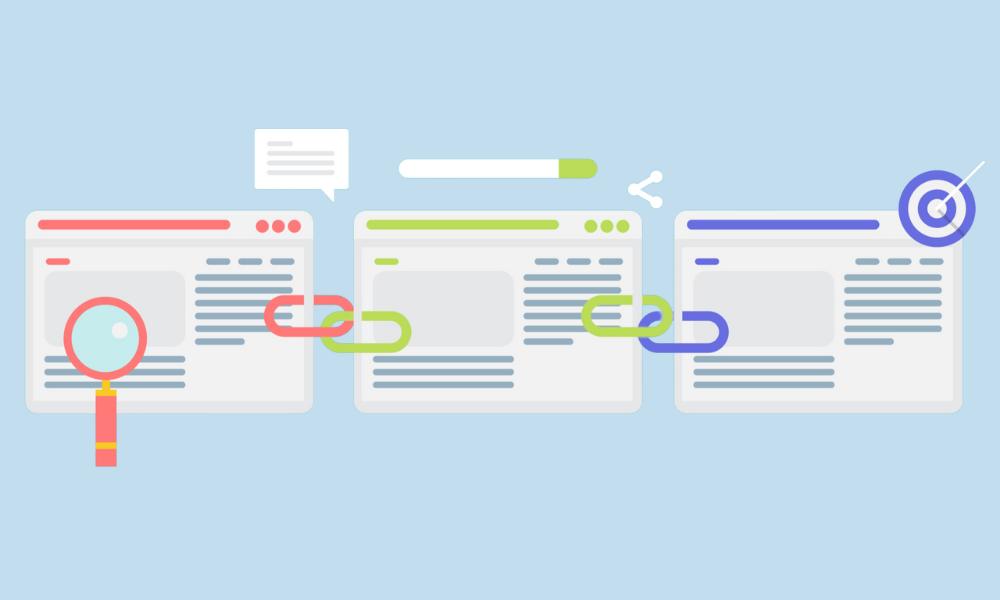
Here’s what to dodge:
- Overloading pages with repetitive phrases
- Using the same term for multiple destinations
- Linking to non-existent or redirected pages
- Forgetting to update older posts with fresh connections
These mistakes aren’t just annoying—they tell search engines that your site might be poorly maintained.
9. Bonus: Link from the Top, Not Just the Bottom
Here’s a test I run often: does the user have to scroll halfway down a 2,000-word post before seeing any helpful references?
If yes, that’s a missed opportunity.
Early engagement matters—both for people and for bots. If someone finds value in the first 30 seconds, they’re more likely to keep reading. Or click further.
Final Thoughts: Keep It Logical, Keep It Clean
I won’t pretend internal connections are glamorous. But they are smart, simple, and incredibly effective when done right.
Think of your site like a library. If none of the books are shelved correctly, or nothing points people toward the next relevant title, they’ll leave—or get frustrated trying to find what they need.
So before you worry about your next campaign or outreach strategy, ask yourself:
- Are your most valuable pages easy to reach?
- Do your strongest performers support your newer content?
- Have you looked at your older posts lately?
If not, start there. A few intentional changes go a long way.
And if you want more insight into earning outside authority, I recommend checking out how backlinks still matter—because when your internal setup is strong, every external vote counts even more.