

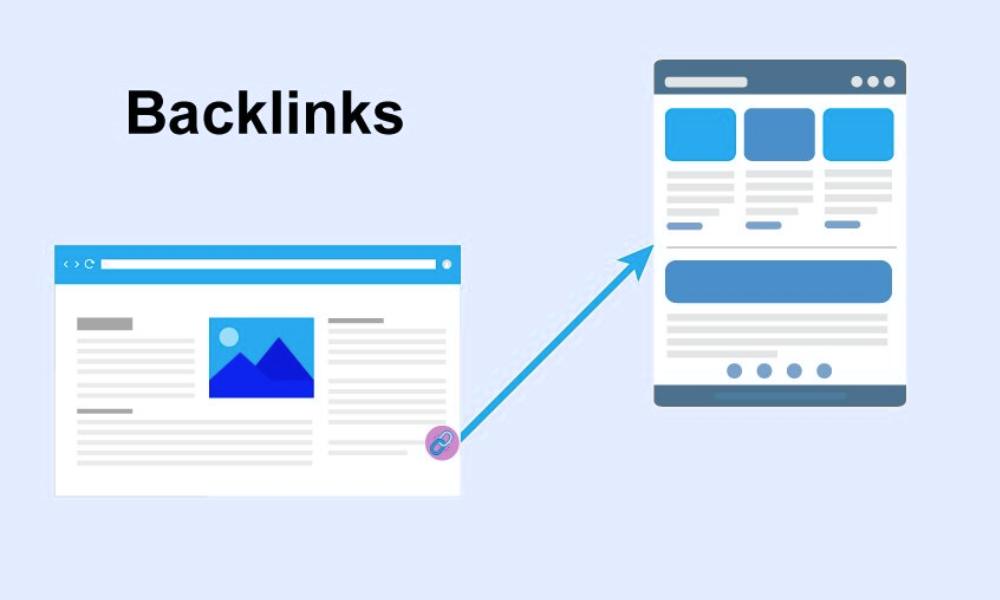
Authority backlinks are the gold standard of SEO—but they don’t fall into your lap. I’ve spent years testing what works and what flat-out wastes time. In this guide, I’ll walk you through the exact strategies I use to earn links from trusted websites—without shady tactics, black-hat nonsense, or sending 300 outreach emails into the void.
A quick tip: Think of a backlink from a real authority site like getting a reference from Elon Musk for a startup job. It turns heads—and search engines know it.
What You’ll Learn
Here’s what I’ll cover (no fluff, no jargon salad):
- What really makes a backlink “authoritative”
- How I identify sites worth pitching
- Five proven strategies I personally use
- The mistakes I stopped making (after they bit me)
- How to track if all this effort is actually working
What Are Authority Backlinks, Really?
These aren’t just any links. They come from websites that are well-known, trusted, and relevant to your niche. Think big media sites, respected industry blogs, or even .edu/.gov sites.
A high DR number might look fancy, but I always check:
- Does the site get traffic?
- Is the content solid and up to date?
- Would I want my site associated with theirs?
Spoiler: DA/DR can be misleading—treat them like a hint, not a rule.
How I Spot a Real Authority Site
Tools help, but common sense is key. Here’s my quick checklist:
- Traffic: Is the site attracting actual visitors, or just bots?
- Content quality: Is it well-written and useful, or keyword-stuffed fluff?
- Topical match: Does their audience overlap with mine?
- Link profile: Do they link to legit sources or a graveyard of spam?
Sometimes a DR 45 blog in a tight niche can be more valuable than a DR 90 site that posts about everything and nothing.
Strategy 1: Guest Posting—Done Right

I don’t send templated pitches to every blog I find. I look for gaps in their content, suggest ideas their readers would actually enjoy, and write something worth reading.
When I do it well, I land backlinks that matter.
Need proof this works? I wrote more about this approach in my guide on guest posting.
Strategy 2: Broken Link Building
Still one of my favorite low-key strategies. I find broken links on solid sites and suggest my content as a replacement. Win for them, win for me.
Here’s how I do it:
- Use Ahrefs to find dead outbound links on relevant pages
- Create or repurpose content that fits the missing topic
- Send a polite, helpful message (no sales tone)
Want my full process? Check my playbook on broken link building.
Strategy 3: Smart Link Exchanges (Yes, They Still Work)
Link swaps get a bad rep, but when they’re done naturally, they can be powerful. I keep it personal and relevant—no automated “You link me, I link you” spam.
Here’s my rule: If it makes sense for users and content alignment, it’s probably safe. If it smells like a scheme, skip it.
Strategy 4: The Skyscraper Technique—But Smarter
I take a high-performing post from someone else, improve it with updated stats, cleaner formatting, or better visuals, then share it with folks linking to the old one.
Think of it like remodeling a house—keep the frame, replace the kitchen.
This tactic blends perfectly with my high-quality link building approach.
Also, nothing beats the feeling of (politely) stealing links from outdated content. SEO revenge? Maybe just a little.
Strategy 5: Event Sponsorships & Collaborations
I’ve earned serious links by partnering with industry events, webinars, and even niche newsletters. No, I don’t just slap my logo on a landing page—I contribute content, help with promotion, or co-host something useful.
Links from these sources are often surrounded by real context. That’s SEO gold.
Mistakes I’ve Learned the Hard Way
Trust me, I’ve stepped on every landmine:
- Chasing high DR numbers without looking at quality
- Using the same email pitch for every site (lazy = ignored)
- Paying for bulk “authority links” that tanked rankings
Avoid these, and you’ll be ahead of most link builders already. I explain more in my post on common link building mistakes.
How I Know If My Links Are Actually Working
Building backlinks is fun (okay, maybe not always), but tracking impact matters more. I look at:
- Ranking movement in Google
- Growth in referring domains
- Increases in relevant traffic
- Leads or conversions from those pages
I use tools like Ahrefs, Search Console, and old-fashioned common sense. If you’re serious about tracking, my post on measuring backlink campaigns goes deeper.
Final Thoughts
Authority backlinks aren’t magic—they’re earned. I don’t chase quantity. I focus on quality connections, relevant content, and helpful outreach.
Pick one of these five methods and actually try it this week. Start small, track results, and stay consistent.
And if you’re thinking, “This sounds like a lot of work”—you’re right. But good SEO always is. That’s why most people quit too early.