I get this question a lot:
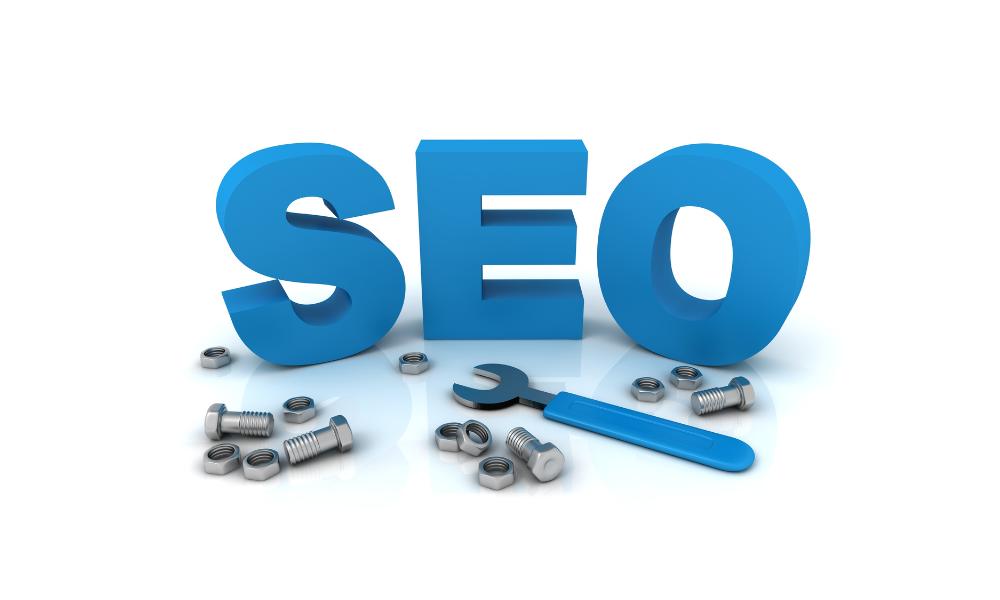
“Is technical SEO still relevant in 2025?”
Short answer—yes. Long answer—you can’t skip it and expect to rank.
If your website is slow, hard to crawl, or full of blocked pages, search engines aren’t going to reward it—no matter how beautiful your content is. You might get lucky with a post or two, but you’ll lose to competitors with better site performance and indexing every time.
Technical SEO is how I make sure your content gets found in the first place.
It’s about helping search engines understand your site and helping your site perform at its best.
So here’s how I actually use it—zero jargon, all clarity.
What You’ll Learn in This Article
Here’s what I’ll walk you through:
- What technical SEO really means (without the fluff)
- Why I start every website audit with speed and structure
- How I help pages get indexed without chasing algorithms
- What tools and strategies I actually use
- Where most people mess up (and how to avoid it)
What Technical SEO Actually Is (And Isn’t)
Let’s keep it simple.
Technical SEO is the process of improving your website’s backend so that search engines can crawl, understand, and index it properly.
It’s not about creating content or building backlinks.
It’s about things like:
- Site speed
- Page indexing
- Mobile usability
- Structured data
- Crawl management
- Clean URLs
No buzzwords. Just practical setup.
Why I Start With Technical SEO
There’s no point writing content if search engines can’t find it—or if users bounce before it loads.
Here’s what I get out of focusing on technical SEO first:
Speed That Holds Attention
Visitors won’t wait. If a page loads slow, they leave.
I use page speed optimization tactics that reduce bounce rates and improve conversions.
Pages That Actually Show Up
Publishing content doesn’t guarantee indexing.
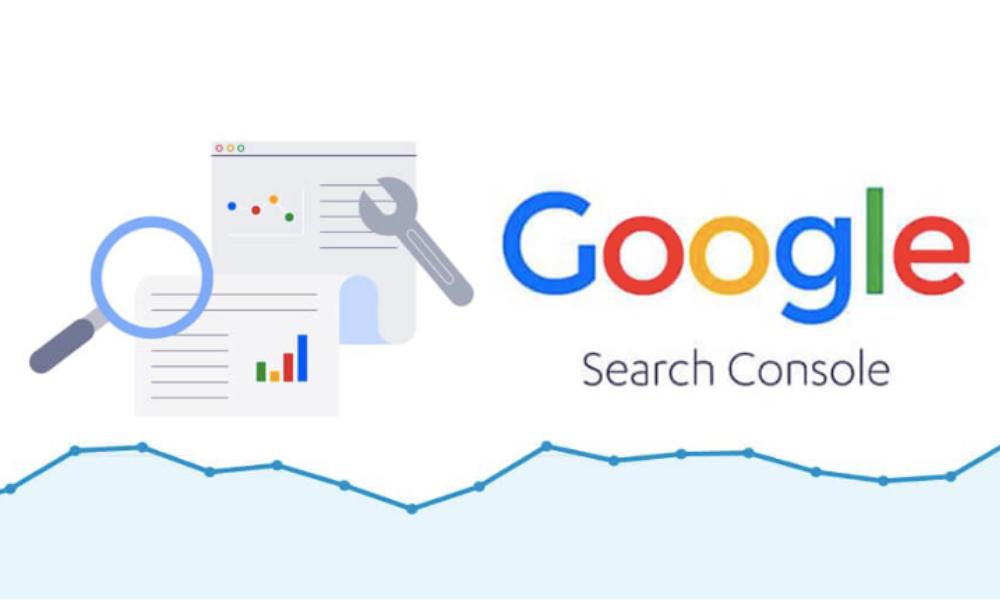
I track what’s indexed using Google Search Console and make fixes as needed. You can see that process here.
Structure That Makes Sense
Site architecture affects everything. I design pages so bots (and humans) can find what matters fast.
Better Crawl Efficiency
Bots have a limited attention span (a.k.a. crawl budget).
I clean up redirects, fix broken links, and use robots.txt to prevent crawl waste.
Lasting Search Performance
Paid ads stop when you stop paying. Solid SEO, built on good technical health, keeps delivering over time.
My Technical SEO Process (Stripped Down)

No fluff. No giant diagrams.
Here’s how I actually approach this:
Step 1: Fix What Slows You Down
I start with speed audits. If your site is slow, nothing else matters.
I check:
- Render-blocking scripts
- Oversized images
- Poor server response
- Mobile load times
This checklist covers the steps I use to make a site fast without breaking the design.
Step 2: Review Indexing Health
I use Google Search Console to see:
- What pages are indexed
- Which ones are excluded (and why)
- How Googlebot sees your site
If you’re publishing regularly and still missing from results, there’s a crawl or indexing problem.
This guide shows how I solve it.
Step 3: Manage Crawlability
If your robots.txt file blocks important pages, or your internal links are broken, bots won’t explore correctly.
I review:
- Internal linking structure
- Canonical tags
- Robots directives
- Sitemap submission (hint: this matters)
It’s like giving Google Maps to a delivery driver—you want the shortest, most useful path.
Step 4: Test Mobile UX
Mobile isn’t a side project.
Most visitors are on phones now, and mobile-first indexing is the default.
I test mobile layout, tap targets, load speed, and responsiveness.
If it’s clunky on a phone, we’ve got a problem.
Step 5: Add Structured Data
Structured data, also called schema markup, helps search engines understand what your content is about.
Want stars, FAQs, or pricing to show up in search? Schema makes that happen.
You don’t have to know code—this resource explains how I do it with Rank Math.
The Tools I Trust (No Hype)
You don’t need a hundred subscriptions.
Here’s what I use consistently:
- Google Search Console – for indexing and crawl stats
- Screaming Frog – for technical audits and link checks
- PageSpeed Insights – for Core Web Vitals
- Cloudflare – for CDN and performance boosts
- Rank Math – for structured data and meta settings
That’s it. That stack gives me everything I need.
Mistakes I See All the Time
If you’re wondering where most technical SEO issues come from, here’s my shortlist:
- Forgetting to update sitemaps
- Using “noindex” on pages that should rank
- Leaving redirect chains after site moves
- Having mobile pages that don’t match desktop
- Schema errors that never got fixed
- Not redirecting www and non-www properly
I broke these down more in this post, if you want examples.
Final Takeaway: Structure Before Strategy
Technical SEO isn’t something you bolt on after content.
It’s the first thing I check—because it sets the foundation for everything else.
Your best content won’t rank if:
- It’s slow
- It’s blocked
- It’s buried behind broken links
- Or it’s on a page that loads like it’s on dial-up
Want to fix that?
My complete technical SEO guide walks through real-world fixes you can make today.
Whether you’re running a new site or fixing an old one, getting the technical setup right is the fastest way to better rankings and happier users.
I’ve seen it work again and again—and if your site’s not performing, this is probably where the problem starts.