

How to Set Smart KPIs
Setting KPIs can feel like guessing what your boss wants to hear—”more traffic,” “better engagement,” “higher ROI.” Sure, all of that sounds great. But unless those KPIs are clear, measurable, and tied to strategy, they’re basically wishful thinking with a spreadsheet.
The truth is, most KPI problems aren’t about tracking—they’re about setting the wrong KPIs in the first place. I’ve helped teams rethink what success really looks like, and the results always come down to one thing: smarter KPI setting.
In this guide, I’ll walk you through how I define SMART KPIs that actually reflect marketing success—not just activity—and how to make them stick across your team.
What You’ll Learn in This Guide
- What SMART KPIs are (and why “get more traffic” isn’t one)
- The difference between vague goals and focused performance indicators
- How I walk clients through KPI planning step-by-step
- Examples of effective KPIs at each stage of the marketing funnel
- How to pressure-test your KPIs before launching campaigns
- Common traps to avoid when setting marketing KPIs
First: Why “Smart” Matters in KPI Planning
Here’s the thing—“set KPIs” always sounds productive on paper. But if they’re not tied to real business outcomes, they won’t help you improve or prove anything.
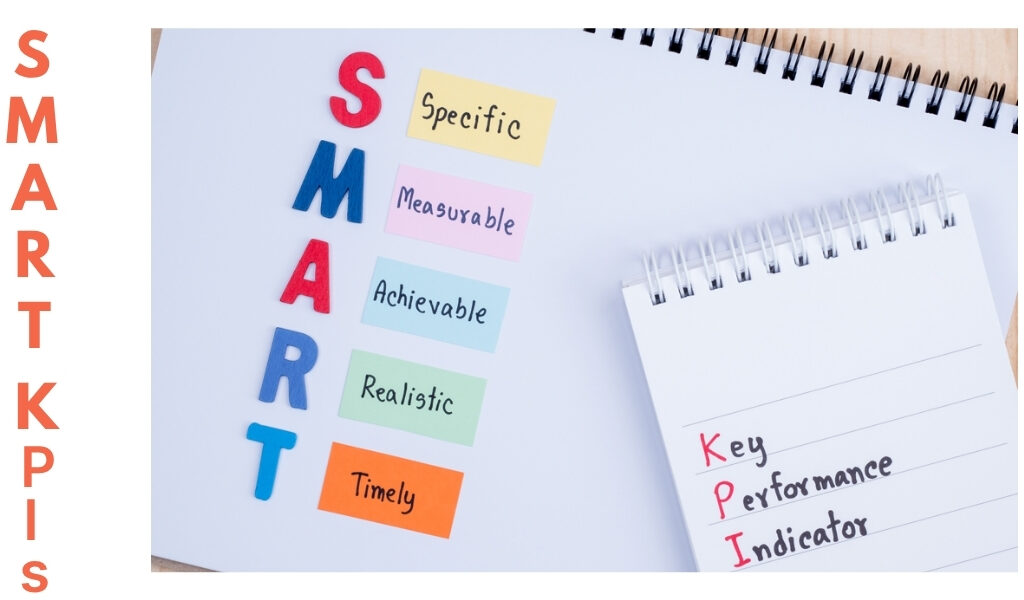
That’s why I use the SMART method to set KPIs:
- Specific
- Measurable
- Achievable
- Relevant
- Time-bound
If your KPI doesn’t check all five boxes, it probably won’t guide strategy or help you course-correct when something’s off.
The Problem With Vague KPIs
Here are a few examples of KPIs I’ve seen that sound okay but don’t hold up:
- “Increase traffic”
- “Improve social engagement”
- “Grow brand awareness”
And here’s what happens with those:
- No one agrees on what success looks like
- You end up measuring everything (which is the same as measuring nothing)
- You have no real benchmarks to work from
Now let’s fix that.
How I Help Teams Set SMART KPIs
Here’s the process I use with clients to get from “we want more leads” to KPIs that actually measure success.
Step 1: Start With a Real Goal
Ask yourself (or your client):
What’s the business trying to achieve in the next 90 days?
Is it revenue growth? More qualified leads? Better customer retention?
Once you’ve got a clear goal, the KPI becomes the marker that shows progress.
Example:
Goal: Increase qualified leads
Bad KPI: “Get more form fills”
Better KPI: “Generate 150 qualified leads from content downloads by Q2”
Step 2: Map KPIs to the Funnel Stage
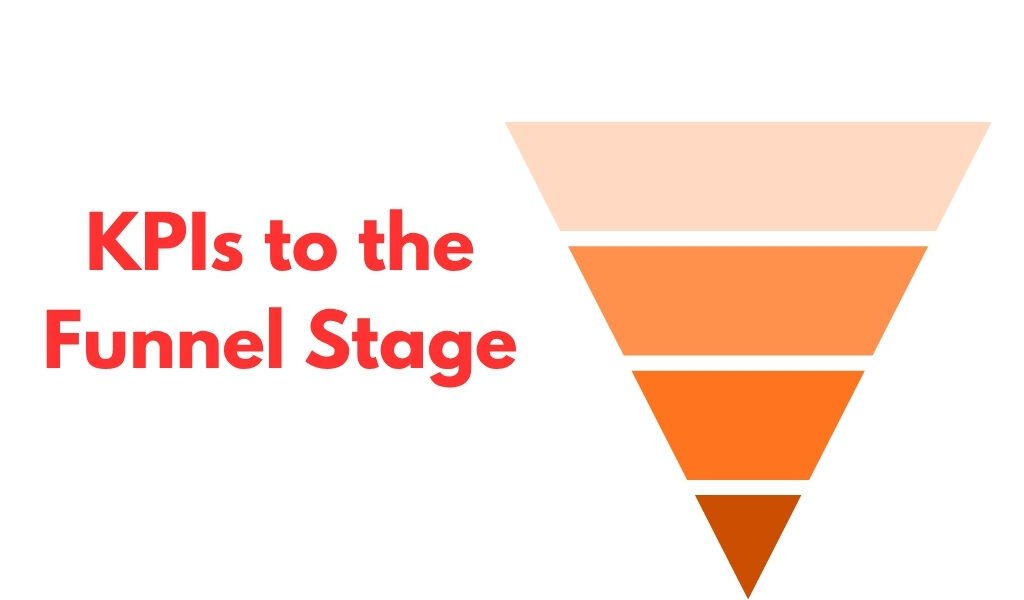
Every part of the funnel needs its own metrics. Here’s how I break it down:
| Funnel Stage | Smart KPI Example |
| Awareness | Increase website sessions from organic by 20% in 60 days |
| Consideration | Grow demo requests by 15% from email campaigns this quarter |
| Conversion | Improve MQL to SQL conversion rate to 30% in Q3 |
| Retention | Reduce churn by 10% in the next 6 months |
Still unsure how to map this? My article on aligning KPIs with business goals goes deeper into this process.
Step 3: Apply the SMART Test
Let’s walk through each piece:
- Specific: Is the KPI clearly defined?
- Measurable: Can you track it with existing tools?
- Achievable: Do you have the resources to hit the number?
- Relevant: Does it align with the overall business strategy?
- Time-bound: Is there a deadline attached?
Example of a solid SMART KPI:
“Increase trial-to-paid conversion rate from 18% to 25% by end of Q3 through onboarding email optimization.”
It passes all five criteria. And better yet—it’s actionable.
Examples of SMART Marketing KPIs by Channel
Here are some real KPI samples I’ve used or seen work well:
Content Marketing
- Publish 12 SEO-optimized blog posts that generate 500 organic sessions/month each by Q4
- Improve average time on content pages to 2 minutes by next quarter
Email Marketing
- Achieve 25% open rates and 5% CTR on nurture campaigns within 60 days
- Reduce unsubscribe rate to under 0.5% across three upcoming email sequences
Paid Ads
- Lower cost-per-lead from Google Ads to under $50 by the end of the campaign
- Increase ROAS on Facebook ads from 2.1x to 3x in 90 days
Social Media
- Increase engagement rate on LinkedIn posts to 2% average by next month
- Grow Instagram follower count by 15% with Reels-focused content over 60 days
I keep more examples by funnel stage in my digital marketing KPI guide if you need more templates.
How to Pressure-Test Your KPIs
Before you lock anything in, ask yourself and your team:
- Can we track this with the tools we have?
- Does everyone know what success looks like?
- Do we control this outcome, or are we depending on external factors?
- What happens if we don’t hit it? (If the answer is “nothing,” it’s probably not a priority.)
If your team’s nodding but confused, your KPIs need adjusting.
Common KPI Setting Mistakes (And How to Fix Them)
I’ve seen these enough times to know they’re worth calling out:
Mistake 1: Setting KPIs without context
The KPI exists in a vacuum. No link to business objectives.
Fix: Tie every KPI to a specific outcome that leadership cares about.
Mistake 2: Copy-pasting KPIs across teams
Marketing, sales, and support don’t need identical KPIs.
Fix: Customize per team, but align them under shared business goals.
Mistake 3: Overloading the dashboard
You track 20 KPIs. You act on none of them.
Fix: Focus on 3–5 per team and let the rest support (not overwhelm).
Need a deeper breakdown of these mistakes? I cover them in detail here.
Bonus: Setting Team vs Individual KPIs
This comes up a lot. Should your KPIs be team-level, individual, or both?
Team KPIs work well when:
- Teams collaborate closely on a shared goal
- You want to build accountability without micro-managing
Individual KPIs work when:
- Roles are distinct (e.g., SDR vs Content Manager)
- You want to track growth, development, or productivity
Pro tip: Start with team KPIs. Add individual ones once your process matures.
Final Talk
Setting KPIs shouldn’t feel like a guessing game or a reporting chore. It should feel like a clear line between your goal and your daily decisions.
Smart KPIs give your team something real to aim for—and something to celebrate when you hit it.
If you’re still stuck on fuzzy goals like “increase engagement” or “grow faster,” take 30 minutes, apply the SMART test, and write down just three clear KPIs. That one step will do more for your strategy than an entire hour spent formatting your analytics dashboard.