

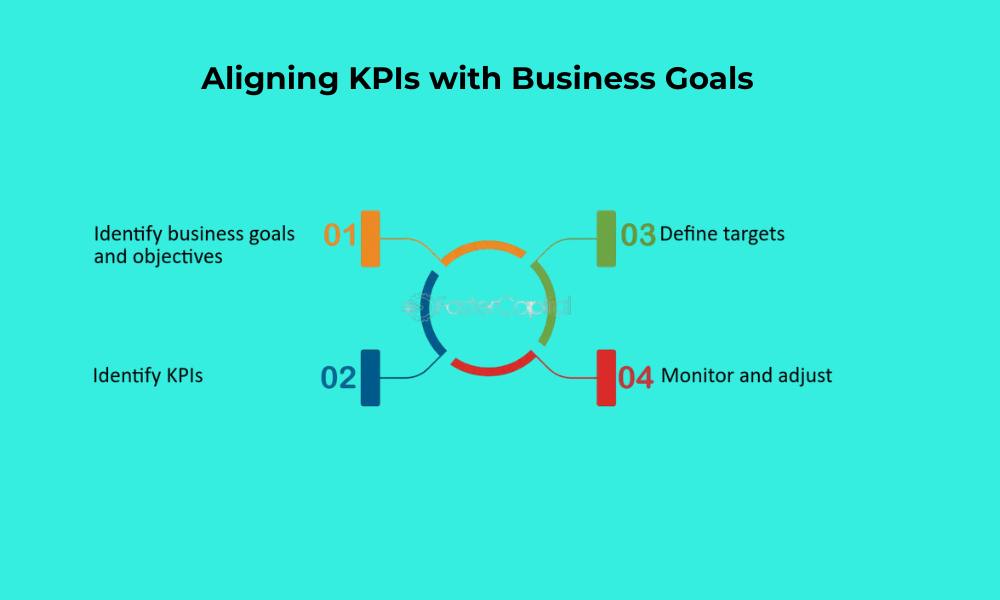
One of the most common issues I see with KPI tracking? Teams are measuring things—but they’re not measuring the right things. The KPIs are technically correct… but strategically off.
That’s what happens when you set KPIs in isolation. They look great on a dashboard but fail to reflect what the business is actually trying to achieve.
In this guide, I’ll walk you through how I align KPIs with business goals—from initial goal-setting to strategy mapping and execution. Because tracking random metrics isn’t insight. It’s just busywork with charts.
What You’ll Learn in This Guide
- The difference between “interesting data” and “strategic KPIs”
- My process for aligning marketing KPIs with business objectives
- How to map KPIs across different funnel stages
- Examples of aligned vs misaligned KPIs
- Mistakes to avoid when connecting performance to goals
Why KPI Alignment Matters More Than You Think
Your business goals are your destination. Your KPIs are your GPS.
If they’re not aligned, you might look like you’re moving—but you’re heading in the wrong direction. I’ve seen this play out too many times:
- A campaign drives 1,000 leads… that don’t convert
- A team hits their email open rate goal… but sales stay flat
- A dashboard shows “growth”… but no one knows what kind
Good KPIs reflect progress on real business goals. Anything else is noise.
Start with the Right Kind of Goals
Not every goal is KPI-ready. You want goals that are:
- Clear
- Measurable
- Prioritized
- Agreed on by leadership and execution teams
Some common business goals:
- Increase revenue by 15% this year
- Improve customer retention by 10%
- Launch a new product line successfully
- Grow market share in a specific region
From here, you can reverse-engineer KPIs that track whether your marketing strategy is supporting those outcomes.
My 3-Step Process for KPI–Goal Alignment
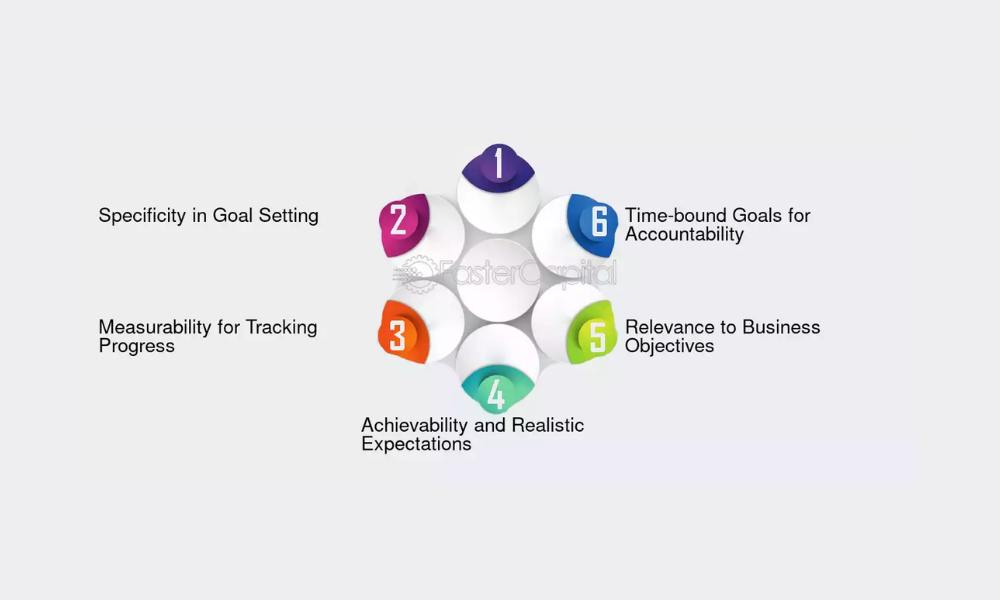
Here’s how I structure this for clients:
Step 1: Clarify the Business Objective
Start with one clear goal. For example:
“Grow annual recurring revenue (ARR) by 20% in 2025.”
Step 2: Identify Key Levers Marketing Can Influence
In the above example, levers might be:
- Increase trial signups
- Improve onboarding conversion
- Reduce customer churn
- Boost upsell revenue
Marketing won’t own all of these, but it will influence several.
Step 3: Set KPIs That Reflect Those Levers
Now set KPIs that show movement on the levers:
- Trial-to-paid conversion rate
- Engagement with onboarding emails
- Nurture campaign-driven upsell revenue
- Churn rate from marketing-qualified leads
Each KPI now connects to something that matters to the business—not just to the campaign.
Mapping KPIs Across the Funnel
To truly align with business goals, you need to map KPIs across the full customer journey—not just the top.
Here’s how I break it down:
| Funnel Stage | Business Goal | Example KPI |
| Awareness | Brand growth | Increase branded search volume by 15% in 90 days |
| Consideration | Educate leads | 30% increase in eBook downloads by target persona |
| Conversion | Close deals | 20% lift in SQL-to-customer conversion rate |
| Retention | Reduce churn | Decrease churn rate for new users to <8% |
| Expansion | Drive upsells | 15% of existing customers engaged with upgrade offers |
Each KPI supports movement toward a goal. That’s alignment.
Examples: Aligned vs. Misaligned KPIs
Let’s make this real.
Scenario: B2B SaaS Company
Goal: Grow ARR by 20%
Aligned KPI: Increase trial-to-paid conversion rate to 25%
Misaligned KPI: Grow webinar attendance by 40%
(Unless that webinar directly drives conversions, it’s a distraction.)
Scenario: E-Commerce Brand

Goal: Increase repeat purchases
Aligned KPI: 15% increase in second-order purchase rate within 30 days
Misaligned KPI: Increase Instagram likes
(Great for awareness—but useless if it doesn’t lead to retention.)
Scenario: Service-Based Business
Goal: Reduce churn among high-value clients
Aligned KPI: Increase engagement with onboarding emails from 40% to 60%
Misaligned KPI: Improve email open rates across newsletter list
(Not all opens are equal—targeted retention content matters more.)
How to Keep KPIs Aligned as You Scale
Aligning once isn’t enough. You need to check and update regularly.
Here’s how I help teams stay in sync:
- Quarterly KPI reviews: Revisit business goals and ensure KPIs still fit
- Team KPI mapping: Ensure marketing, sales, and customer success KPIs ladder up to shared goals
- Use one source of truth: Whether it’s a dashboard, a doc, or your CRM—everyone should see the same data
If one team’s celebrating and the other’s panicking, your KPIs aren’t aligned.
Mistakes to Avoid in KPI–Goal Mapping
Mistake 1: Picking KPIs that “look good” but don’t matter
Pretty dashboards ≠ performance.
Fix: Start from the goal. Work backward.
Mistake 2: One-size-fits-all KPIs across teams
What matters to sales might not matter to marketing.
Fix: Customize KPIs by team, but tie them to the same strategic goal.
Mistake 3: Tracking KPIs without decision-making power
If no one knows what to do when the number changes, why track it?
Fix: Assign ownership and define actions tied to each KPI.
For more traps to avoid, see this guide on KPI tracking mistakes.
Final Thoughts
KPIs aren’t just performance metrics—they’re strategy indicators.
When they’re aligned with your business goals, they become powerful tools for:
- Focus
- Clarity
- Growth
- Accountability
If your current KPIs don’t make your goals easier to reach—or clearer to measure—it’s time to reassess.
Start with one big goal. Identify the levers that influence it. Set 3–5 KPIs that reflect those levers. Then build your reporting and campaigns around them.
Because alignment isn’t just a buzzword. It’s how strategy turns into results.