

If you’re a small business owner, setting a Meta ad budget can feel like gambling. Spend too little, and your ads never get off the ground. Spend too much, and you end up wondering where it all went.
After managing ad budgets for eCommerce stores, local businesses, and startups alike, I’ve built a few go-to rules that keep spend efficient and results profitable—even when resources are limited.
This guide is designed to help you set, manage, and stretch your Facebook and Instagram ad budget the smart way.
What You’ll Learn:
- How to choose the right starting budget
- What kind of results you can expect at different spend levels
- The difference between testing and scaling budgets
- Daily vs lifetime budgets: which to use and when
- How to avoid wasting budget on low-performing ads
- When to increase budget (and when not to)
- Budget allocation strategies that I actually use
- Why audience size and objective impact budget decisions
- Small business budget examples (broken down by goal)
Let’s dig into the numbers—without making your accountant nervous.
1. You Don’t Need a Huge Budget to Start
Here’s the truth: You don’t need thousands to run successful Meta campaigns. I’ve seen plenty of small businesses get results with as little as $10–$30/day.
The key is knowing your goal.
| Goal | Recommended Daily Budget |
| Website traffic | $10–$20 |
| Lead generation | $15–$40 |
| eCommerce sales | $30–$100+ |
| Local awareness | $10–$25 |
Start small. Collect data. Then scale what works.
2. Choose Daily Budget Over Lifetime (Most of the Time)

Meta lets you choose between daily and lifetime budgets.
- Daily budget: You spend a consistent amount each day. Great for ongoing campaigns.
- Lifetime budget: You set a total spend over a set timeframe. Good for promotions or seasonal pushes.
For most small businesses, I stick with daily budgets. It keeps cash flow predictable and allows easier control if performance drops.
If you’re running a short-term offer (like a weekend promo), use a lifetime budget to pace your spend automatically.
3. Allocate Budget Based on Funnel Stage
Not all ads should get equal spend. I break my budgets up by funnel stage:
- TOF (Top of Funnel) – Awareness & cold traffic (20–30%)
- MOF (Middle of Funnel) – Retargeting visitors, video viewers, IG engagers (30–40%)
- BOF (Bottom of Funnel) – Warm leads, cart abandoners, email list (30–50%)
Your warmest audiences (MOF and BOF) often convert cheaper—so they deserve more budget. But don’t forget to keep TOF alive, or your funnel dries up.
You can see how I structure funnels in this Facebook & Instagram ad strategy guide.
4. Watch Frequency Like a Hawk
One of the easiest ways to burn budget? Letting your frequency climb too high.
Frequency is how often the same person sees your ad. Once it hits 3.5 or higher, performance usually drops.
Keep an eye on:
- High frequency + low CTR = ad fatigue
- High frequency + high cost per result = time to rotate creative
- High frequency in a small audience = time to broaden targeting
If you’re retargeting a small list, set a budget cap or narrow schedule to prevent overexposure.
5. Avoid “Set It and Forget It” Budgets
Don’t expect to set a budget and never touch it. Even with a small budget, your account needs attention.
Here’s what I do:
- Review campaigns every 2–3 days when starting out
- Cut underperforming ad sets early
- Reallocate saved budget to top-performing ads
- Keep creative fresh to prevent fatigue
Even a $20/day campaign needs optimization. Otherwise, you’re just donating to Meta.
Need help with optimization? Here’s my step-by-step optimization checklist.
6. When (and How) to Increase Your Budget
If your ad is converting and hitting your KPIs, increase your budget—but carefully.
I follow the 20% rule:
Never increase daily budget more than 20% every 48 hours.
Jumping from $30 to $100 overnight? Your ad set might reset and tank.
Instead:
- Scale gradually (e.g., $30 → $36 → $43)
- Duplicate high-performing ad sets and scale separately
- Test new audiences before pouring budget into them
Don’t spend more until you know why you’re spending it.
7. Match Budget to Audience Size and Objective
Your audience size and goal directly impact how much budget you need.
- Large audiences (1M+) need more daily spend to exit the learning phase.
- Small local audiences (under 50K) need less to stay cost-effective.
- Conversion-focused campaigns need more than awareness ones.
Example: If you’re targeting a small zip code with a $100 daily budget, you’ll annoy people by day three. But if you’re targeting 3M+ people nationwide, $10/day won’t even scratch the surface.
The better your targeting strategy, the more efficiently your budget will work. You can brush up on targeting here.
8. Always Test First—Then Scale
When I launch a new campaign, I test first:
- Run 2–3 ad sets with different audiences
- Use 2–3 creatives per ad set
- Set equal daily budgets (e.g., $10–$20/day)
- Let it run for 3–5 days
- Kill the losers and put more behind the winners
This test-then-scale model works for any business, no matter your budget. Small businesses benefit from it even more—you can’t afford to guess.
Need creative ideas to test? This creative tips guide breaks down what actually works.
9. Small Business Budget Examples (That Work)
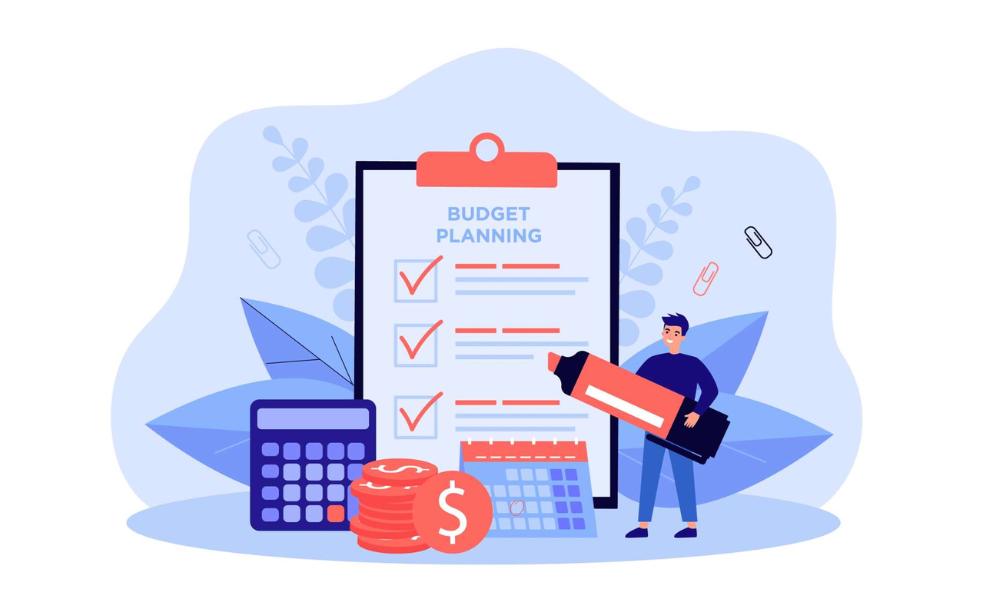
Here are a few real-world setups I’ve used for clients on lean budgets:
Example 1: Local Service Business – $20/day
- $8/day – Traffic to blog post (TOF)
- $6/day – Retargeting visitors with lead gen form (MOF)
- $6/day – Retargeting leads with offer (BOF)
Example 2: eCommerce – $50/day
- $20/day – Broad interest targeting with video (TOF)
- $15/day – Retargeting product viewers and site visitors (MOF)
- $15/day – Cart abandoners with discount incentive (BOF)
Example 3: Personal Brand – $30/day
- $10/day – Promote Reels to grow audience (TOF)
- $10/day – Retarget video viewers with opt-in offer (MOF)
- $10/day – Email list retargeting with low-ticket product (BOF)
No guesswork. Just intentional allocation based on audience warmth and campaign data.
Final Thoughts
Small budgets don’t mean small results. With a lean, focused approach, you can stretch every dollar and still drive real business growth.
Here’s your budgeting game plan:
- Start with $10–$50/day based on your goal
- Use daily budgets for easier control
- Break budget across funnel stages
- Watch frequency and adjust creatives
- Scale gradually based on performance
- Match budget to audience size and objective
- Test small, then double down on what works
If you’re running ads now and wondering whether your budget is being used effectively, I’m happy to take a quick look.
And if you’re just getting started, go check out this setup guide to get your first campaign running smoothly.