
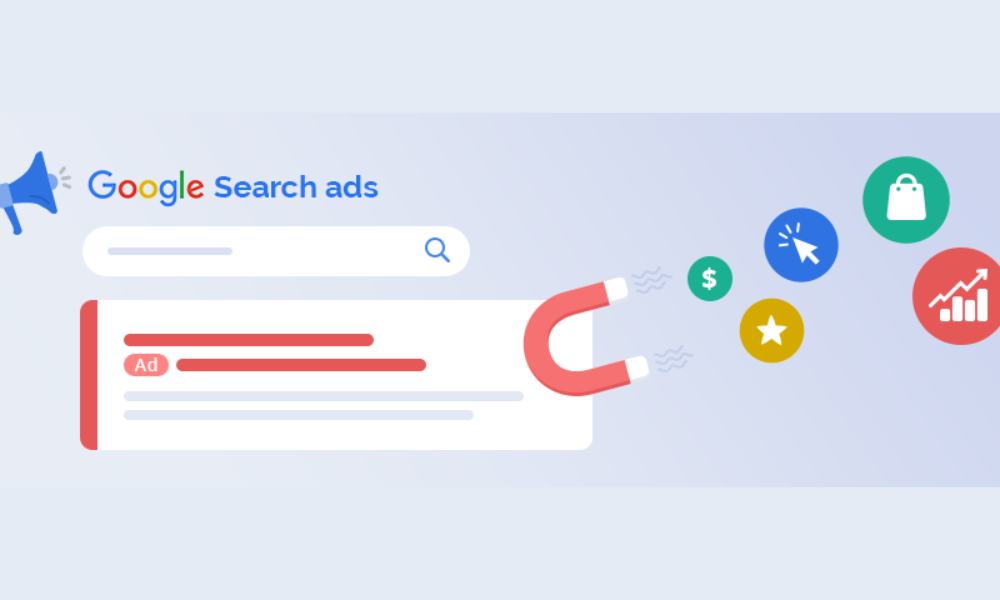
You’ve got the right keywords. You’ve set up the campaign. But if your ad copy sounds like it was written by a toaster? Good luck getting clicks.
Google Ads isn’t just about showing up—it’s about standing out.
In this guide, I’ll show you how to write Google Search ads that don’t just “get impressions”—they get attention, clicks, and conversions. It’s part art, part psychology, and part “say what the customer’s already thinking.”
Let’s get to it.
What You’ll Learn:
- How ad copy fits into the bigger campaign puzzle
- My go-to headline and description formulas
- Proven ways to boost CTR without clickbait
- Ad copy dos and don’ts (especially for beginners)
- Smart use of ad extensions
- Internal links to help with setup, structure, and optimization
1. First, Remember What a Google Search Ad Looks Like
Before we write anything, let’s recap what we’re writing.
A standard responsive search ad includes:
- 15 Headlines (Google rotates and tests combinations)
- 4 Descriptions (90 characters max each)
- Final URL (where users land after clicking)
Your ad should be:
Relevant to the user’s search
Clear about your offer
Aligned with your landing page
So if you’re advertising “emergency AC repair,” your ad better mention “emergency,” “fast service,” or “same-day fix”—not “high-quality HVAC systems for homeowners.”
2. Start With the Keyword (But Don’t Keyword-Stuff)
Including the main keyword in at least one headline helps with both:
- Ad Relevance (Google’s Quality Score system loves this)
- User trust (They searched for it. Show you have it.)
Example:
- “Emergency AC Repair in Dallas”
- “Top HVAC Providers | Quality Service Since 1982”
That second one? It’s vague and more about you than them. Your ad should feel like an answer, not a brag.
Need help finding better keywords? Start with this keyword research guide.
3. Write Headlines That Stop the Scroll
Google Search isn’t TikTok—but people still scroll fast.
Here are headline types that work:
- Benefit-Driven: “Fix Your AC Today – Book Online in 2 Minutes”
- Problem-Solving: “Tooth Pain? Emergency Dental Available Now”
- Offer-Led: “50% Off First Order – Local Lawn Service”
- Trust-Building: “Rated 4.9★ on Google – Free Estimates”
Mix them into your 15 headline slots. Google will test different combinations to find what works best.
Tip: You can “pin” headlines to specific positions if you want more control. But don’t overdo it—Google’s AI does pretty well with testing.
4. Write Descriptions That Sell the Click
Descriptions are where you tell the user why you’re the right choice.
Try this format:
Pain Point → Solution → Call to Action
Example:
“Slow site killing your conversions? We build fast, mobile-optimized websites that get results. Book your free audit now.”
Other tips:
- Use numbers (“Save 25% Today”)
- Highlight speed (“24-Hour Response”)
- Call out guarantees or trust signals
- Keep it human—this isn’t a resume
5. Add Strong CTAs—Then Back Them Up
Every ad needs a clear call-to-action (CTA). You’d be surprised how many don’t include one.
Strong CTAs:
- “Get Your Free Quote”
- “Call Now to Book”
- “Try Us Risk-Free”
- “Compare Plans Today”
Just don’t be vague. “Learn More” is okay—but “Book Your Free Strategy Call” is better.
Want to make that CTA land? Make sure your landing page follows through. Here’s how to align the page with the ad message.
6. Don’t Sleep on Ad Extensions
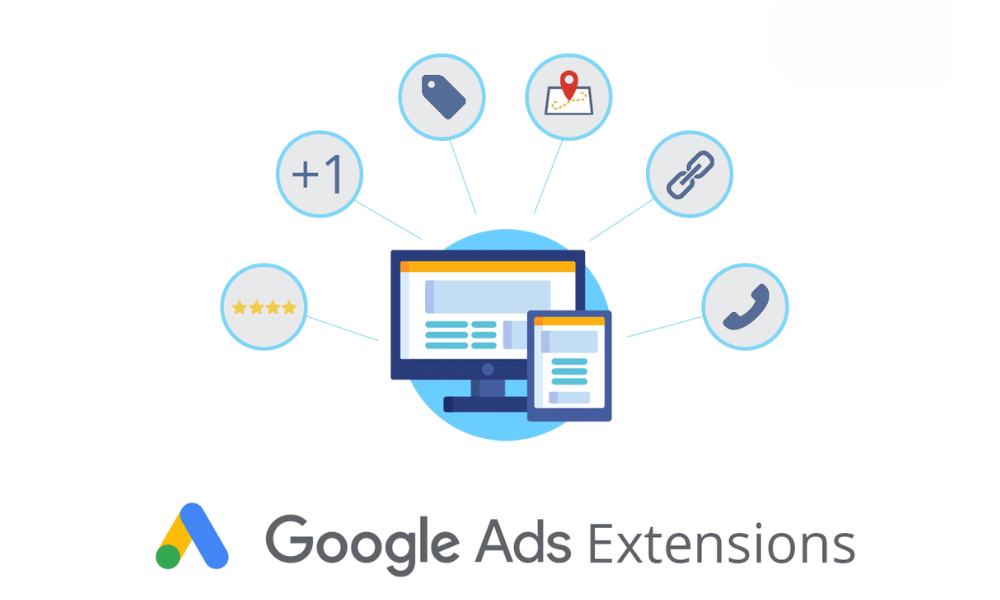
Ad extensions make your ad bigger—literally.
They help your ad stand out by adding more info and more places to click. Plus, they’re free. You only pay when someone clicks.
Here are the must-haves:
- Sitelink Extensions: Links to other pages (like pricing, testimonials, contact)
- Call Extensions: Add your phone number
- Callout Extensions: Short phrases like “Free Consults” or “Certified Experts”
- Structured Snippets: Lists of services, product types, or features
- Location Extensions: If you have a physical office or store
Adding these can boost your CTR significantly. If you’re still setting up your campaign, add these during setup.
7. Match Ad Copy to Your Funnel Stage
Someone searching “best digital marketing agency in Chicago” is in a different mindset than someone searching “what does SEO do.”
Your ad copy should reflect that.
For high-intent searches:
- Be direct
- Show availability
- Push urgency
For top-of-funnel terms:
- Educate
- Offer free resources
- Build trust
Pro tip: Split campaigns by funnel stage and tailor your ad copy accordingly. I cover this in my campaign structure guide.
8. Test, Learn, Optimize (Then Test Again)
Once your ads are live, Google will automatically rotate your headlines and descriptions.
Here’s what you should do:
- Review ad performance weekly
- Pause underperforming combinations
- Add new headlines every 2–4 weeks
- Try different CTAs and offers
Data is your best copy editor.
Need help optimizing beyond ad copy? This post-launch checklist can help.
9. Common Ad Copy Mistakes (Don’t Be That Marketer)
Here are a few things I still see in client accounts (and fix fast):
All features, no benefits
Listing services is fine. But why should anyone care?
No CTA
Even the best copy needs a nudge.
Overused phrases like “Best in Town”
Everyone says it. It means nothing.
Keyword stuffing
If your ad sounds like a robot trying to win Scrabble, you’ve gone too far.
Good Ads Speak Like Good Salespeople
Your ad is your sales pitch in 270 characters or less.
It should answer the user’s question, speak to their pain or desire, and offer a clear next step—without sounding like a corporate robot or a used car commercial.
Need a full walkthrough from setup to ad copy? This complete campaign guide has you covered.
Just getting started? Try the beginner-friendly version here.
Need help dialing in your copy? That’s kind of my thing.