


Let’s be honest—getting a mention on a reputable site feels great. But the truth? That mention (or several of them) means very little if you’re not measuring what happens after the placement goes live.
I’ve seen too many campaigns focus on chasing domain scores and quantity over real performance. So in this guide, I’m breaking down how I track what actually moves the needle—using simple tools, clean data, and zero guesswork.
What You’ll Learn in This Guide
- What I track before and after new placements
- Which metrics actually matter—and which ones don’t
- The tools I use to stay on top of progress
- How I report results to clients and stakeholders
- What to tweak when things don’t go as planned
Why Monitoring Your Campaigns Matters
You can pour time and budget into earning backlinks, but without analysis, there’s no way to know what’s effective. Or worse—you might end up with a dozen mentions from spammy directories and forums, thinking you’re crushing it.
Tracking gives me clarity. It helps me prove value, course-correct when needed, and decide what tactics to double down on. Whether you’re managing your own SEO or leading a team, having a system in place beats relying on gut feelings.
Not convinced this matters? I explain why these references are still powerful tools for organic visibility in this post.
Pre-Campaign Metrics: Know Your Baseline
Before I reach out to anyone or submit a guest article, I take a quick snapshot of where things stand. That means:
- Reviewing my current referring domains and source quality
- Checking which pages already perform well (and which need help)
- Tracking rankings for the target terms on those pages
- Identifying referral traffic sources
- Scanning competitor profiles for missed opportunities
Tools like Ahrefs, Google Search Console, and even a simple spreadsheet are usually enough to get started.
If you’re not sure how to find those missed opportunities, this article can help you dig them up.
What I Track After the Work is Done
Once those placements go live, it’s time to measure impact. I break this into three simple categories:
1. URL-Level Stats
Think of these as the “source file.” These help me log where coverage came from and what kind of mention it was.
Here’s what I include:
- The referring domain and page
- Where it points (destination URL)
- The anchor phrase used
- Whether the link is follow or nofollow
- The date it went live
Quick note: I don’t obsess over domain authority (DA) or domain rating (DR). These third-party scores can help filter out junk, but they’re not a replacement for real-world performance. A mention on a niche site with a loyal audience often beats one from a giant site in a totally different industry.
If you’re wondering about anchor phrasing, this guide breaks it down nicely.
2. Page-Level Changes
Now we’re getting to the good stuff—how your targeted pages respond. I watch a few key things:
- Keyword position shifts (especially for the main term)
- Organic traffic growth over time
- Behavior flow (bounce rate, time on page)
- Conversions from those visits
This is where context matters. Say you’re trying to lift your blog post about budget-friendly travel gear. If traffic rises after new mentions and you see sales on that page, that’s success—even if the keyword hasn’t jumped yet.
Also, remember rankings don’t always tell the full story. You might land in the top 10 for a dozen long-tail terms and see steady traffic without ever cracking the #1 spot for your head term.
3. Outreach Performance
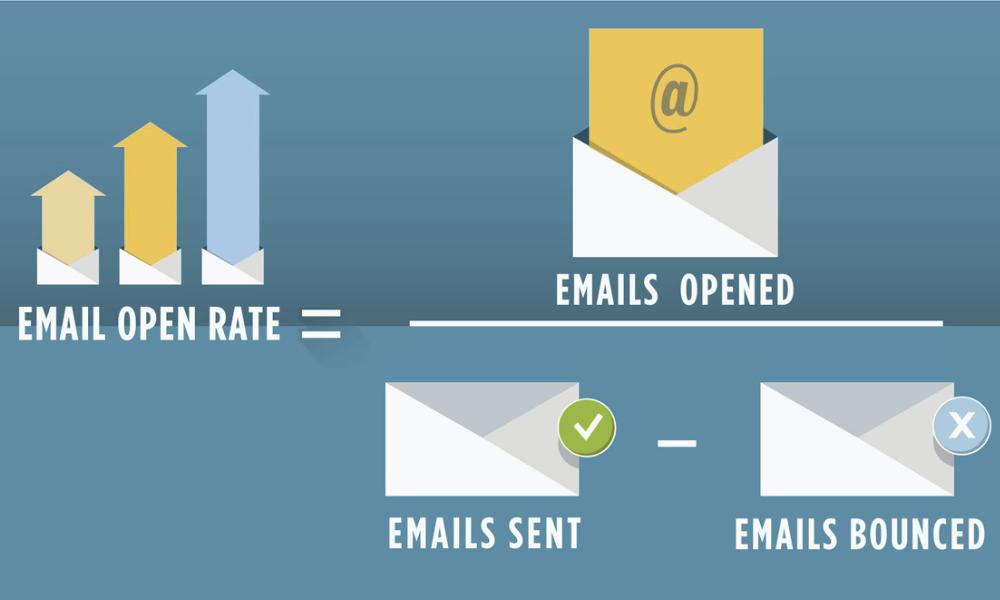
If you’re running your own outreach campaign (or reviewing agency work), you’ll want to track:
- Email open rate
- Reply rate
- Placement success rate
These numbers help you refine subject lines, timing, pitch structure, and prospect targeting. Even small changes in outreach copy can lead to big differences in performance.
If outreach is still tripping you up, I wrote this guide to help you avoid getting ghosted.
Tools I Use to Track Progress
I don’t need a $500-a-month software stack. These are my go-tos:
- Google Search Console – For top-level insights and impressions
- Google Analytics – For traffic and conversion tracking
- Ahrefs – For new/lost mentions and competitor checks
- Looker Studio – For client reporting dashboards
- Sheets – Yep, basic spreadsheets still win for quick tracking
If I’m testing a lot of angles at once, I may plug in something like BuzzStream or Pitchbox to keep the outreach clean and organized.
Setting KPIs That Aren’t Fluff
Not all success looks the same. For some clients, it’s a numbers game (volume). For others, it’s about a single high-impact mention on a niche industry blog.
Here are some examples of the KPIs I set:
- “Gain 5 mentions on industry-specific blogs with at least moderate authority”
- “Improve keyword X’s position from #12 to #6 in 60 days”
- “Get 10 new quality referrals that result in at least 2 conversions”
I avoid vanity goals like “50 mentions per month” unless there’s a very good reason. I’d rather get five that actually do something than 50 that rot away on junk directories.
To avoid low-impact placements, this post offers tips to spot value early in the pitch.
Reporting for Humans (Not Just SEOs)

Let’s face it: not everyone wants to scroll through data tables.
Here’s how I package my reports:
- Visual timelines showing keyword and traffic trends
- Before-and-after stats for targeted pages
- Screenshots of key referring pages
- Mini “win highlights” (e.g., “This feature drove 10 signups!”)
When needed, I’ll even include a little red-yellow-green system to make it easier to spot what’s working and what needs more love.
And yes, I throw in a chart or two—no one hates a clean line graph showing a nice upward slope.
What I Ignore (On Purpose)
Over the years, I’ve learned to stop worrying about:
- Mentions from irrelevant sources
- Inflated domain scores
- Short-term ranking dips (they happen—Google’s moody)
Not everything needs a reaction. Focus on trends, not blips.
And please—don’t chase every dofollow like it’s made of gold. Nofollow mentions can still bring traffic, boost awareness, and even lead to natural coverage later.
If you’re trying to avoid beginner missteps, I laid out the big ones right here.
What If the Results Aren’t Great?
Not every placement will knock it out of the park. Here’s what I check when nothing seems to be improving:
- Did I target the right page to begin with?
- Is that page internally linked and crawlable?
- Are the referring domains actually relevant?
- Is the keyword intent outdated or too broad now?
Sometimes, I’ve seen content that ranks better after removing a few spammy references—so pruning is part of the game too.
Bonus tip: Try adding relevant internal links to pass authority more effectively. Here’s a quick method I use.
Final Thoughts: Track Smarter, Not Harder
You don’t need 20 tools, a full dev team, or a 40-hour-a-week process. Just track the right things consistently, report clearly, and keep optimizing based on what the data tells you.
It’s not glamorous, but it works.
If you treat this part of the campaign as seriously as you treat outreach or prospecting, you’ll spot patterns faster, win more trust from stakeholders, and—yes—drive better performance.
Keep your system simple. Keep your strategy smart.
Now go check your last 10 placements and ask yourself: Did they actually do anything?
If you can’t answer that, it’s time to start tracking.