

When I talk to clients about where to invest their ad budget, this is one of the first questions I get: Should I run ads on Facebook or Instagram?
Both platforms sit under Meta’s umbrella, yet they behave differently—kind of like siblings with wildly different personalities. One’s a seasoned all-rounder; the other’s flashy, energetic, and constantly trending.
If you’re looking to stretch your ad spend and drive results, understanding how each channel performs is key. In this post, I’ll walk you through:
- Audience differences and engagement styles
- Ad performance across formats
- Where your money goes further
- What I recommend for different business types
- Real results from campaigns I’ve run
- How to get the best of both without doubling your workload
Let’s get into it.
Audience Behavior: Who’s Actually Watching?
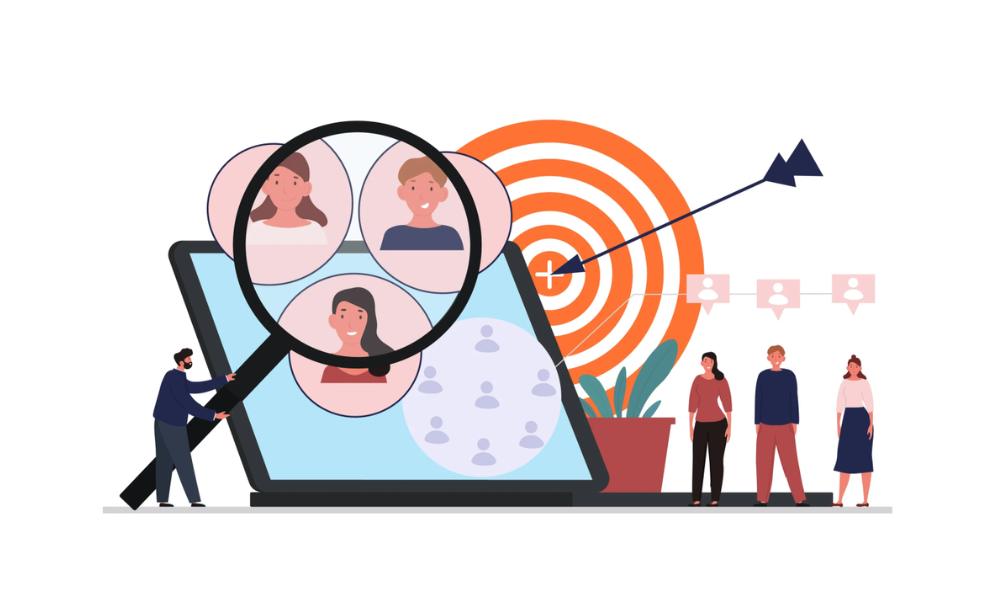
Meta’s ad network gives access to billions of users, but that doesn’t mean they all behave the same.
From what I’ve seen:
- Facebook pulls in users aged 25–55, often engaging with posts inside groups, newsfeeds, and video content. It’s great for community building and longer-form storytelling.
- Instagram has a stronger grip on the 18–35 range. Users spend time scrolling Reels, tapping through Stories, and shopping directly inside the app.
If your offer is visually driven—like fashion, home decor, or fitness—Instagram tends to feel like a better fit. If you’re selling a service, especially in the B2B space, the older sibling is usually the better bet.
That said, I’ve seen both platforms work across industries when the message is right.
Cost Comparison: Which Platform Gives You More for Less?
Let’s talk money.
In 2025, cost-per-click (CPC) numbers show that Facebook typically stays under $0.60. Instagram averages around $0.72. Not a massive gap—but it adds up quickly at scale.
Here’s what I’ve found in my campaigns:
- Facebook wins in cost efficiency for traffic and remarketing. Lower CPC, more impressions.
- Instagram might cost a little more upfront, but it gives stronger visual engagement—especially for top-of-funnel awareness.
If I’m building a new audience or launching something bold, I might start with Instagram to grab attention and then retarget using Facebook to seal the deal.
Need help balancing spend? I’ve covered budgeting tips here.
Click-Through Rates: Who’s Driving More Engagement?
When it comes to engagement, Instagram usually edges ahead.
In my own testing:
- Instagram Reels and Stories delivered higher CTRs—1.3% on average
- Facebook’s feed ads landed around 0.9%, though Lead Ad formats often perform slightly better
The takeaway? Eye-catching, mobile-first creatives work better across the board—but especially on Instagram. Still, if your goal is to drive more qualified clicks to long-form content or webinars, Facebook often wins for clarity and intent.
Conversions: Who Gets More Actions (Not Just Clicks)?
Getting clicks is fun. Getting results is better.
Based on platform data and what I’ve seen first-hand:
- Facebook delivers better conversion rates for lead generation campaigns—especially when using form-based ads directly in the feed or Messenger.
- Instagram leads in e-commerce. If you’re promoting a product with strong visuals and reviews, it’s a powerhouse.
I ran a campaign for an online coaching business earlier this year. Using Facebook’s in-app forms, we achieved a conversion rate just over 9%. The same campaign on Instagram hovered around 7.4%—respectable, but not quite there for leads.
On the flip side, for a retail client launching a product line, Reels ads on Instagram brought in a 3.2x return on ad spend—higher than what we saw on Facebook with the same creative.
It all comes down to your offer and objective.
Return on Ad Spend: The Real ROI Showdown
You knew this was coming.
Here’s what I’ve seen in terms of ROAS across verticals:
- Facebook typically delivers between 2.5x and 3.8x
- Instagram performs closely behind at 2.2x to 3.5x
The gap is small. The deciding factor often comes down to audience behavior, targeting, and ad format.
For example, if you’re running a lead gen campaign with long-form copy and gated offers, Facebook usually gives a stronger return. If you’re selling direct-to-consumer items with high visual appeal, Instagram is your stage.
Ad Formats That Deliver Results

Here’s what I use regularly—and why.
For Facebook:
- Lead generation ads: Great for webinars, consultations, or free downloads
- Carousel and video: Strong middle-funnel tools to tell a story or showcase services
- Right-column and Messenger placements: Still underrated, still valuable
For Instagram:
- Reels: By far the highest engagement when the creative feels native
- Story ads: Swipe-up CTAs feel natural and frictionless
- Shopping placements: Perfect for retail and product launches
If you haven’t tried split testing ad formats yet, you’ll want to review my A/B testing guide.
Customer Acquisition Costs: Where It Gets Real
Lower CAC is the dream, right?
In my experience:
- Facebook usually delivers a lower cost per acquisition, thanks to better tools for retargeting and form-based lead capture.
- Instagram brings in higher-cost clicks, but sometimes higher lifetime value customers—especially when targeting early in the funnel.
For startups and budget-conscious campaigns, I often lean into Facebook first. But if you’re trying to grow your brand presence fast, Instagram can deliver results—just with a slightly higher investment per action.
Platform Strengths: How I Choose
Here’s a quick breakdown of where each shines based on my own campaigns:
| Goal | My Preferred Platform |
| Lead Generation | |
| E-commerce Sales | |
| B2B Awareness | |
| Mobile App Installs | |
| Event Sign-ups | |
| Lifestyle Branding |
Not every business fits neatly into one box. That’s why I always test both when budget allows.
Curious how to set up full-funnel campaigns across both? This strategy post has you covered.
Real Campaign Snapshots
Retail Brand (Fashion)
- Reels on IG + collection ads on FB
- Result: 3.2x ROAS on Instagram, 2.6x on Facebook
- Bonus: 35% lift in conversions using platform-specific creatives
Online Course Provider
- Facebook lead forms + IG story ads
- Result: Facebook delivered 4.1x ROAS, Instagram at 1.9x
- Insight: FB’s direct form integration made conversion seamless
I outlined more of these insights in this post if you want to dig deeper.
Tips to Maximize ROI Across Platforms
Here’s what I do to get the most from each channel without reinventing the wheel:
- Build platform-specific creatives (don’t reuse one-size-fits-all visuals)
- Split ad sets to track performance separately—especially important with Meta’s combined dashboard
- Use Meta Pixel + Conversion API for stronger tracking and remarketing
- Retarget video viewers on one app using placements in the other
- Test headlines, visuals, and CTAs regularly
If you’re struggling to interpret your ad results, check out my post on metrics to track.
Final Thoughts: Which One Wins?
So—Facebook or Instagram?
Honestly, both. But not for the same reasons.
- If I need leads, lower CAC, or in-depth storytelling, I go with Facebook.
- If I want brand love, impulse sales, and mobile-first action, Instagram leads the charge.
In most campaigns I run today, I use them together—assigning each a role in the funnel. That’s where the real ROI comes from.