


Asking your phone for the closest sushi place or the nearest car wash isn’t just convenient—it’s normal. Digital assistants like Siri, Google Assistant, and Alexa are quietly influencing how people find local businesses. If your online presence isn’t built to handle that shift, you could be missing high-intent customers every single day.
I’ve worked with companies that didn’t just want more traffic—they wanted the right kind. The kind that calls, visits, and books appointments. That starts with aligning your local visibility with how people ask for help on the go.
Here’s What You’ll Learn
- How queries spoken aloud differ from those typed
- How to plan your keyword strategy with real phrases in mind
- Why your business profile matters more than ever
- Which technical updates impact discovery
- Where to focus your content writing and performance tracking
Let’s break it down.
Search by Voice: It’s Different—And You Need to Prepare
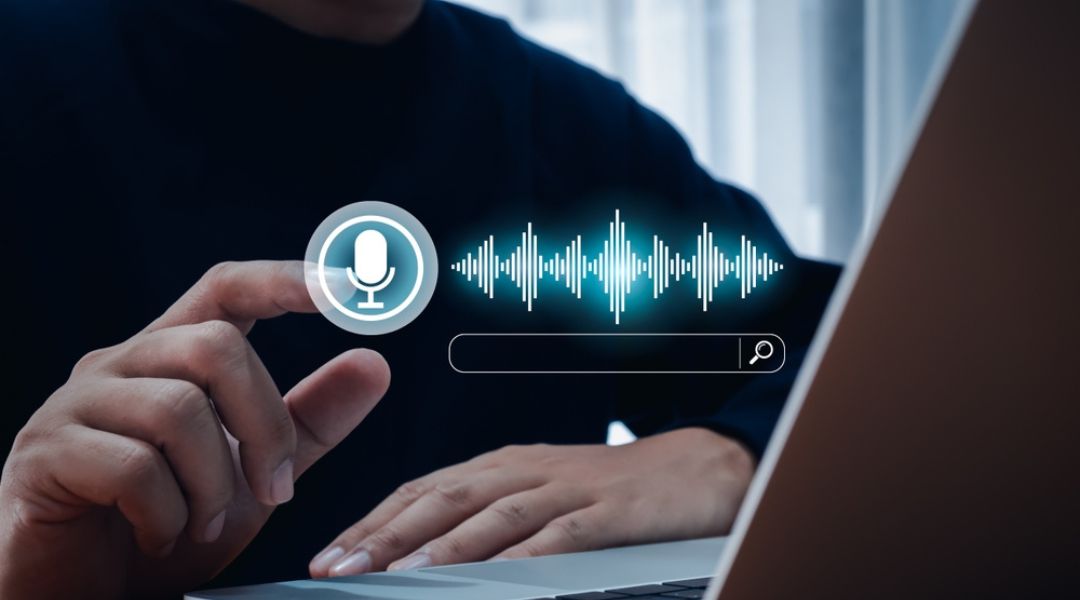
Typing “best pizza NYC” is one thing. Saying “Where can I get a good slice near me that’s open late?” is something else entirely.
These kinds of inquiries are:
- Longer and conversational
- Focused on local solutions
- Often phrased as questions
- Driven by urgency or convenience
What I’ve learned from optimizing client content is that being conversational isn’t just good writing—it’s good strategy. If your site speaks like your audience does, it’s more likely to show up when they need you.
Mobile Experience = Search Assistant Visibility
The majority of spoken queries happen on smartphones. So if your mobile experience is clunky, slow, or hard to read, your odds of appearing in results drop—fast.
Here’s what I always check:
- Pages load in under 3 seconds
- Layout works on all screen sizes
- Fonts and buttons are touch-friendly
- Forms are simple and don’t require 10 steps to complete
And yes—Google’s algorithms do consider how well your site performs on mobile when deciding which results to serve. I cover this in detail in my guide to mobile SEO for local businesses.
Your Business Profile Can Make or Break You

For local discovery, your Google Business Profile (GBP) isn’t just helpful—it’s essential. It often serves as the first and only result a user hears from their assistant.
When I optimize a client’s listing, I double-check:
- Accurate NAP details (name, address, phone)
- Business hours (especially for holidays)
- Categories that match actual services
- Description that sounds like a human wrote it
- Images and reviews that stay updated
I see too many businesses lose visibility over small issues like inconsistent contact info or outdated categories. You can avoid that by regularly reviewing your profile. For a full walkthrough, check out this GBP optimization guide.
Use the Language People Actually Speak
Want your business to show up when someone asks for a quick solution? Then your content needs to mirror their phrasing.
I start with:
- Long, natural phrases
- Questions starting with who, where, or how
- Phrases that include local modifiers (like neighborhoods or landmarks)
Instead of “plumber Chicago,” I’ll target:
“Who’s a reliable plumber near Logan Square?”
These make great headers and are perfect for FAQs, blog posts, or service pages. The key is to answer these questions directly and in your own words—like you’re talking to someone face-to-face.
If you’re unsure how to identify terms like these, I recommend reading my guide on local keyword research. It breaks the process down in plain English.
Get Listed Beyond Just Google
Some digital assistants don’t use Google as their source. For example:
- Alexa leans on Bing and Yelp
- Siri taps into Apple Maps
- Other apps rely on third-party directories
That means your presence across multiple listing platforms matters. I help clients appear consistently on:
- Google Business Profile
- Bing Places
- Apple Maps
- Yelp and industry-specific directories
Just make sure your information stays identical across all of them. Even one character off in your address or business name can cause confusion. My NAP consistency guide covers how to avoid that.
Build Pages That Answer, Not Just Promote
I don’t write just to rank—I write to answer questions. Especially the ones people are asking on their phones.
Here’s how I structure that:
- Use headers that are phrased like real queries
- Keep answers short and direct (40–50 words is ideal)
- Use bullets for clarity where possible
- Cover different use cases and scenarios
Examples of headers I’ve used:
What’s the best family dentist in West Austin?
Where can I get my oil changed today near me?
You’re not just helping the user—you’re giving search engines a clear, scannable way to index your page.
For businesses with multiple locations, I recommend adding city- or neighborhood-specific landing pages. Pair this with the strategy I outline in my post on near-me optimization.
Add the Right Markup
Search platforms want clarity. Schema markup helps give them exactly that.
I typically implement:
- LocalBusiness schema
- FAQPage markup
- Hours, location, contact fields
I always test implementations with Google’s Rich Results tool to ensure everything is functional and readable. It’s a small thing that makes a big difference—especially when combined with natural, structured content.
For non-technical site owners, my schema guide breaks this down with examples.
Measure the Results—Don’t Guess

Once everything’s in place, I keep an eye on performance through:
- Google Search Console (for long-tail and question terms)
- Local Falcon (to monitor rankings in map results)
- Google Business Insights (for actions like calls or direction requests)
Tracking lets me adjust over time. It’s not a one-time setup—it’s an ongoing effort.
For help with performance audits, you can read how I approach tracking local SEO progress in monthly check-ins.
Final Takeaway
The way people look for local help has changed. They’re not typing. They’re speaking.
If your business can’t respond in a natural, location-focused way—fast—you’re invisible to the tools they trust.
Optimizing for this behavior isn’t complicated. It’s about using natural phrasing, fast mobile performance, consistent listings, and a content structure that feels like a conversation—not a sales pitch.
If you’re ready to become the local result people hear when they ask for help, start applying what I shared above.Want help getting your setup right? Reach out—or browse more of my local SEO strategies built for real-world businesses.