

Let’s be honest—omnichannel used to be a buzzword. Now? It’s non-negotiable.
In 2025, customers don’t think in terms of “channels.” They just expect your brand to know them, understand them, and not send three different welcome emails within ten minutes.
If your marketing still feels like a group project where no one’s talking, it’s time to change that.
This guide will walk you through exactly how I build a winning omnichannel strategy—the kind that aligns your brand, your data, and your message across every touchpoint your customers actually care about.
What You’ll Learn in This Guide:
- What makes an omnichannel strategy effective in 2025
- How to align your messaging, not just your platforms
- My go-to steps for planning, launching, and refining your approach
- A few tools I trust (and a few to leave behind)
- Pitfalls to avoid before they waste your budget
So, What Is an Omnichannel Strategy?
Quick definition from my own playbook:
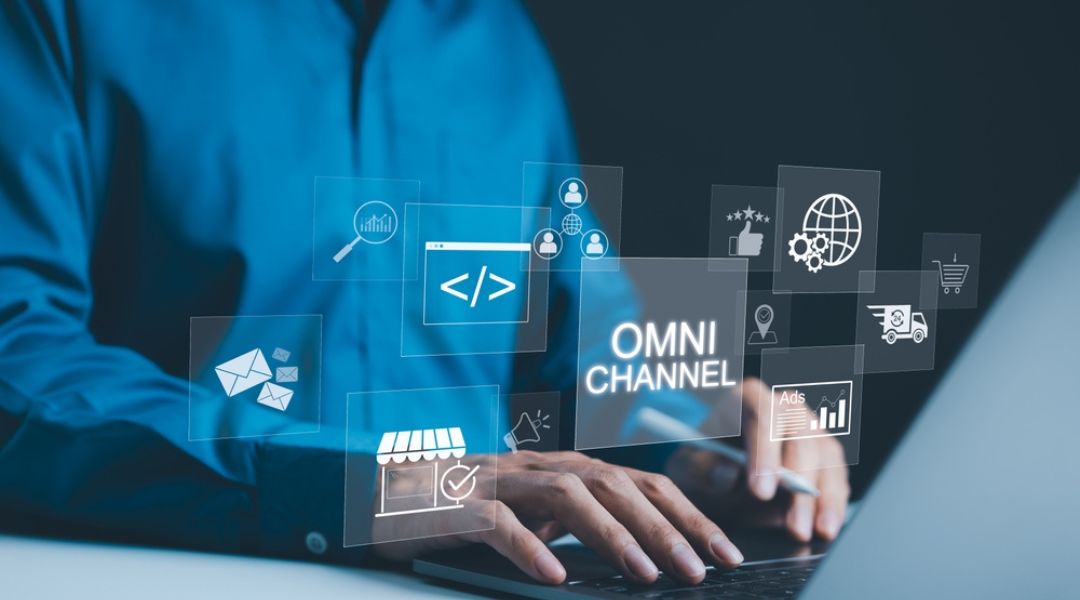
An omnichannel strategy is how I design, align, and execute consistent customer experiences across every channel—digital or physical—while keeping messaging, timing, and context in sync.
This doesn’t mean spamming every platform. It means your email campaigns, social ads, web experience, live chat, and even in-store signage speak the same language, with the same goals, for the same audience.
If you’re not quite clear on the difference between omnichannel and multichannel, take two minutes and check this out:
👉 Multichannel vs Omnichannel
Why 2025 Demands a Stronger Strategy Than Ever
Here’s what’s different now:
- Customer journeys are non-linear (they’ll discover you on Instagram, read a blog, ask ChatGPT about you, then buy via desktop).
- AI and automation are making expectations higher, not lower.
- Privacy updates mean you need smarter data—not just more data.
If your strategy isn’t evolving, your customers are. That’s a bad gap to have.
Step 1: Define Clear Goals (Because “more engagement” isn’t one)
Before we get into channels, tools, or tactics, stop and ask:
What do I actually want to achieve?
Some common (and solid) omnichannel goals:
- Increase customer retention by X%
- Improve cart recovery via email/SMS follow-up
- Align online and offline promo experiences
- Reduce time-to-conversion across touchpoints
Set goals that connect to business outcomes—not just vanity metrics.
Step 2: Know Your People (Not Just Their Age or Job Title)
Persona-building isn’t about naming a fictional buyer “Sarah” and calling it a day.
I dig into:
- Buying triggers
- Content consumption habits
- Preferred devices and platforms
- What annoys them (seriously—this is gold)
Start from behavior data, not assumptions. Then use that to shape everything that comes next.
Need help with this part? This will help:
👉 Mapping Customer Behavior Across Channels
Step 3: Map the Journey First, Then Build the Campaign
Too many brands launch campaigns before they even understand how their audience moves from Point A to Purchase.
Here’s what I map:
- First discovery (organic, paid, referral?)
- Consideration steps (reviews, content, demos?)
- Purchase moment (desktop? mobile? in-store?)
- Follow-up (support, feedback, reactivation?)
Each step needs content and timing to match. No guesswork allowed.
Check out the full journey mapping method here:
👉 Step-by-Step Journey Mapping Guide
Step 4: Choose Your Channels Wisely

Being on every platform is a great way to burn out your team and confuse your message.
I help clients narrow it down by asking:
- Where are your best customers actually hanging out?
- Which platforms drive real conversions (not just likes)?
- Which ones can integrate into your systems?
Pro tip: Fewer, better-connected channels always beat disconnected chaos.
Step 5: Unify Your Messaging (Not Just the Logo)
Brand voice is often the first casualty of a scattered strategy.
One minute you’re friendly in emails, robotic on your site, and snarky on social. Customers notice.
Make sure:
- Every touchpoint speaks with the same voice
- Offers and value props match across platforms
- Timing makes sense (don’t retarget buyers who already bought)
Struggling with consistency? Here’s my favorite resource:
👉 Aligning Brand Messaging Across Touchpoints
Step 6: Use Tools That Actually Talk to Each Other
I’ve worked with teams that had 15 tools—and none of them integrated.
Start with:
- CRM (HubSpot, Salesforce)
- Email/SMS (Klaviyo, Mailchimp, Postscript)
- Analytics (GA4, Hotjar, Mixpanel)
- Support (Zendesk, Intercom)
- Journey Mapping (Smaply, Lucidchart)
Make sure your systems share data, not hoard it.
Full tool breakdown here:
Top Omnichannel Tools
Step 7: Test, Refine, Repeat
No strategy launches perfectly. Ever.
I always:
- Run A/B tests on messaging and sequence timing
- Watch drop-off points in analytics
- Review email/SMS click-throughs
- Talk to the sales/support teams (they know where friction lives)
Then, I tweak. Weekly.
If you’re not iterating, you’re just guessing loudly.
Real Mistakes I’ve Seen (And Fixed)
- Same product promoted at different prices on different channels (awkward)
- Customers receiving a welcome email 3 days after buying (whoops)
- Mobile site experience breaking on checkout, while desktop works fine
- Paid traffic landing on blog posts with no next step
These are fixable. But only when you see them.
I cover more examples (and how to dodge them) here:
Common Strategy Mistakes
How I Know It’s Working

Here’s what I monitor post-launch:
- Drop-offs by channel and device
- Micro-conversion paths (clicks, video views, downloads)
- Repeat visit frequency
- Funnel velocity (how fast someone moves from visit to conversion)
Yes, your tools can show this. But your team has to look at it regularly.
Final Thoughts
In 2025, a winning omnichannel strategy doesn’t mean doing more. It means doing what works—smarter, faster, and in sync.
Here’s the bottom line:
- Map before you market
- Speak with one voice
- Automate with care
- Optimize constantly
You don’t need to be everywhere. You just need to be exactly where your customer expects you to be—and make it feel like you’ve been waiting for them.Want to get started? My full planning guide is here:
Build Your Omnichannel Strategy