

I’ve worked with brands that checked all the boxes—multiple channels, automation tools, weekly content calendars—but still couldn’t get consistent results. The problem? Everything looked good in isolation, but nothing worked together.
That’s why I rely on omnichannel strategy mapping.
It’s not some fancy buzzword. It’s the process I use to make sure every single customer touchpoint contributes to a bigger, unified journey. Not just more traffic. Not just more leads. But real momentum.
If your customer experience feels disconnected, this guide is for you. Here’s what you’ll learn:
- What omnichannel strategy mapping really means
- How it differs from multichannel marketing
- My process for building a working strategy map
- Recommended tools (yes, just a few)
- Mistakes you can avoid based on real campaigns
- One simple case that proves this strategy works
What Is Omnichannel Strategy Mapping?
This is the part where most marketers try to impress you with diagrams. Not here.
To put it simply: omnichannel strategy mapping is how I connect the dots between every interaction someone has with your brand—whether online or offline.
It helps you visualize and design a connected journey, so people don’t feel like they’re talking to five different versions of your business.
Whether it’s a product page, a confirmation email, a Facebook ad, or a retail receipt—it should all feel like one experience, not five campaigns duct-taped together.
Why Omnichannel Strategy Mapping Actually Matters

If you’re putting out content and still seeing inconsistent results, something’s off. It might be a broken funnel. It might be that your customer journey has too many potholes.
Mapping helps you:
- Spot gaps where people drop off
- Deliver the right message at the right time
- Improve consistency across every platform
Fun stat? Businesses with strong omnichannel engagement retain 89% of their customers. Without it? Just 33%.
It’s not magic—it’s better planning. Here’s more on that:
👉 Why Omnichannel Strategy Is Crucial
Multichannel ≠ Omnichannel (Here’s Why)
Let’s clear up a big misconception.
Multichannel = You’re on multiple platforms.
Omnichannel = Those platforms work together.
Multichannel means you’re present. Omnichannel means you’re present with purpose.
So instead of showing people five unrelated messages on five different platforms, you guide them through a logical, helpful journey.
Want a deeper breakdown? You’ll like this one:
👉 Multichannel vs Omnichannel
How I Build an Omnichannel Strategy Map
Here’s the exact process I use with clients. No corporate jargon, just what actually works.
1. Start With Personas
Start by understanding who you’re trying to reach. Don’t guess. Use behavior data. Create personas that reflect actual buying habits, content preferences, and pain points.
Check this for more help:
👉 Mapping Customer Behavior
2. Define the Journey Stages
Awareness → Consideration → Purchase → Loyalty → Advocacy. You’ve seen the funnel. But don’t stop at sales. Think about retention, post-purchase, and re-engagement strategies.
If you haven’t already mapped the journey, here’s how:
👉 Customer Journey Mapping Process
3. Identify Key Touchpoints
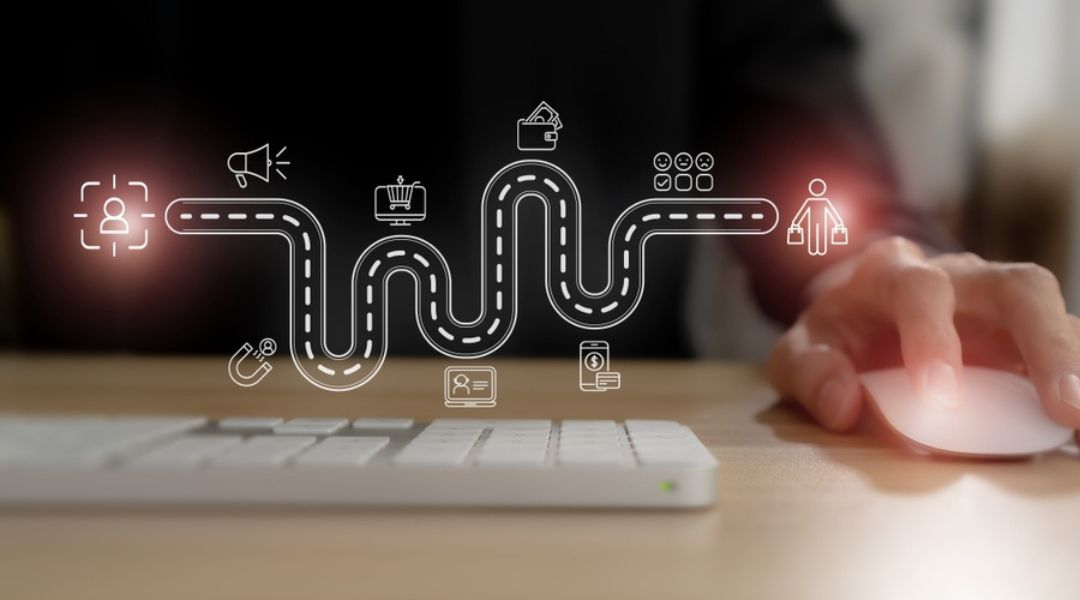
List out every interaction a customer might have:
- Visiting your site
- Receiving a welcome email
- Seeing a retargeting ad
- Reading a how-to blog
- Speaking to support
Sort them by journey stage. Spot the gaps. Fill them.
4. Align Your Messaging
A chatbot shouldn’t sound like a robot if your emails sound friendly. A Facebook ad shouldn’t offer a 10% discount if your email just sent them a 15% one.
Consistency builds trust. Inconsistency builds unsubscribes.
5. Connect Your Tools
CRM, email marketing, analytics, ads—make sure your systems are passing data and tracking behavior. No system should live on an island.
Want help picking tools? I broke them down here:
👉 Top Tools for Omnichannel Strategy
The Tools I Recommend (Because Less Is More)
Here’s a shortlist I actually use:
- CRM: HubSpot or Salesforce
- Mapping: Smaply or Lucidchart
- Analytics: GA4, Hotjar, Mixpanel
- Collaboration: Slack or Notion
You don’t need everything. You just need the right few tools that connect well.
Mistakes I See All the Time (And How to Avoid Them)
- Running 7 campaigns with 0 coordination
- Ignoring offline interactions (phone calls, receipts, in-store check-ins)
- Focusing on channels instead of people
- Letting your brand voice change depending on who writes the content
The result? Confused customers, lower conversions.
Been there? You’re not alone. I shared more here:
👉 Common Strategy Mistakes
A Real-World Example
One retail client had great traffic—online and in-store—but conversions were a mess. After mapping their strategy:
- We synced up online promos with in-store offers
- Improved abandoned cart sequences
- Cleaned up their messaging across emails and ads
Within 6 weeks:
- Repeat purchases jumped by 32%
- Abandoned cart recovery improved 18%
- Customer service complaints dropped
The secret? A connected experience.
How I Know It’s Working

It’s not just about feel-good branding. I track:
- Drop-off points between touchpoints
- Return visits
- Email-to-sale conversion rates
- Product interest across channels
And yes, those micro-conversions (like PDF downloads or video views) matter too.
If you’re still focused only on “likes,” we should talk. Here’s why:
👉 Using Data in Omnichannel Strategy
Final Thoughts
Omnichannel strategy mapping isn’t a “nice-to-have.” It’s the thing that turns disconnected marketing into a system that works.
It doesn’t matter if you’re B2B or B2C. If people interact with your brand on more than one channel—and they do—this strategy is worth your time.
Start small. Start with just two channels. But start intentionally.Need help breaking it down further? Try this guide next:
👉 Omnichannel Strategy Guide