


You’ve done the work. You attracted the right audience at the top of the funnel (TOFU). You nurtured their interest and built trust in the middle (MOFU). Now you’re here—the Bottom of the Funnel (BOFU)—where decisions are made and deals are closed.
But here’s the thing most businesses get wrong: BOFU is not just about being persuasive. It’s about being relevant, timely, and extremely clear. You’re no longer educating. You’re guiding. And if you do it right, conversions don’t feel like pressure—they feel like the next logical step.
In this post, I’ll walk you through my BOFU playbook—the same strategies I use to help brands turn warm leads into real revenue.
What Is BOFU (Bottom of Funnel)?
BOFU is the final stage in your marketing funnel. By this point, your prospect:
- Knows they have a problem
- Understands the available solutions
- Is deciding whether you are the right fit
In other words, this is where it all comes together. Your job here isn’t to inform—it’s to reassure, motivate, and close.
This is where strategy meets timing—and where a lot of funnels break down.
Why BOFU Matters (More Than You Realize)
If TOFU is about awareness and MOFU is about trust, BOFU is about confidence.
And yet, I’ve seen businesses spend thousands on TOFU and MOFU efforts—only to completely drop the ball at the finish line.
Here’s what a weak BOFU strategy leads to:
- Leads that ghost at the final step
- Great offers that go unnoticed
- Sales teams chasing cold leads
A strong BOFU strategy changes that. It reduces friction, clarifies value, and helps people move forward.
BOFU Tactics I Use to Convert
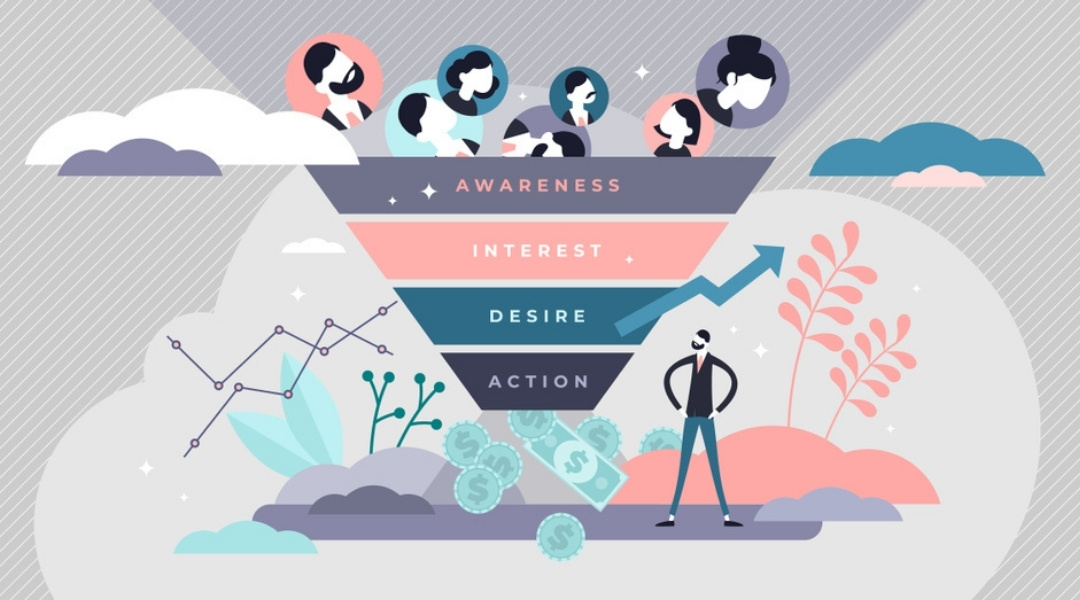
Here are the content types and strategies I use to push leads across the finish line—without being pushy.
1. Product Demos and Free Trials
Let people experience your offer before they commit.
A live demo or free trial removes doubt and gives your lead confidence. It shifts the conversation from “Is this right for me?” to “How can I get started?”
Pro tip: Don’t just offer the demo—frame it around their pain point. Make it specific. Make it personal.
2. Testimonials That Do More Than Say “They’re Great”
Generic praise won’t cut it. At BOFU, I focus on testimonials that:
- Highlight specific results
- Address objections your prospects might have
- Reflect the same industry or problem as your current leads
Video works best, but written quotes can be effective too—if they’re detailed and placed strategically (like near a CTA or pricing section).
You can find examples of smart testimonial placement in this funnel content guide.
3. Clear, Focused Sales Pages

At this stage, your sales page should do three things:
- Explain the offer clearly
- Show the value (with benefits, not just features)
- Make the next step easy
What I avoid:
- Walls of text
- Overexplaining
- Vague or generic CTAs like “Learn More”
Instead, I build sales pages that speak directly to what my lead needs to know right now.
Need help building one? Start with the structure I share in this conversion-focused breakdown.
4. Objection-Handling Content
This is a secret weapon that most brands overlook.
BOFU leads are close to saying yes—but they have one or two lingering questions. I create content that answers them before they even ask.
Some of my favorite formats:
- FAQ sections on landing pages
- Short “Why Us” videos or explainer animations
- Comparison pages that show how you stack up against alternatives
This doesn’t just build trust—it keeps leads moving forward instead of stalling.
5. Personalized Follow-Ups and Offers
Not all BOFU leads are ready at the same pace. That’s why I use follow-ups tailored to their actions.
Examples:
- If they booked a demo but didn’t attend: Send a follow-up with a case study.
- If they visited the pricing page three times: Trigger an email with a special offer.
- If they clicked a CTA but didn’t convert: Retarget them with a time-sensitive incentive.
BOFU content should feel personal, not automated—even when it is.
How I Measure BOFU Performance
At this stage, the numbers matter. You’re past vanity metrics. Here’s what I track:
- Conversion rate on landing pages
- Click-to-signup ratios on BOFU emails
- Demo show-up rate vs. close rate
- Average time from lead to deal
If something’s off here, it usually means the BOFU content isn’t doing its job—or the lead wasn’t properly nurtured upstream.
For a deeper look at full-funnel analytics, see this metrics guide.
Common BOFU Mistakes to Avoid
- Weak CTAs. If your CTA says “Contact us to learn more,” you’re not really asking for the sale.
- Overloading the lead with info. BOFU is about clarity, not complexity.
- Treating everyone the same. One-size-fits-all follow-up kills momentum.
- Assuming leads will take the next step on their own. They won’t. You have to guide them.
I outline more pitfalls in this funnel mistakes post, if you’re curious.
Connecting BOFU to the Rest of the Funnel

BOFU doesn’t exist in isolation. It needs to match the tone, message, and promise of your TOFU and MOFU content.
That’s why I always ask:
- Does your BOFU messaging reflect the value you’ve been building?
- Is there a clear path from your educational content to your conversion content?
- Are your CTAs consistent, clear, and compelling?
If the answer’s no, leads drop off—even if they were ready to buy.
I map out the full customer journey in this guide if you want to see the flow in action.
Final Thoughts
BOFU isn’t about closing with pressure. It’s about closing with clarity.
By the time someone reaches this stage, your job is to remove the remaining friction—fast. Make it easy to say yes. Give them the final bit of confidence they need.
When your BOFU strategy is strong, your funnel doesn’t just generate leads. It delivers results.
Need help creating conversion-ready content or optimizing your bottom-funnel journey? Let’s build something that actually closes deals.