

Let’s talk funnels. Not the kitchen kind—the kind that quietly drives the success of high-performing marketing campaigns.
If you’re throwing content at the wall and hoping it sticks, there’s a good chance your funnel is broken… or missing altogether. An effective funnel isn’t just a chart you present in a team meeting—it’s the actual path your audience takes from “Who are you?” to “Take my money.”
Over the years, I’ve built conversion funnels for startups, service providers, and product-led brands. What do the best ones have in common? A strategy that aligns with how real people make decisions—step by step.
If you want your funnel to attract, engage, and convert with intention, here’s how I build one that does exactly that.
What Is a Marketing Funnel—and Why Should You Care?
A marketing funnel is the journey your lead takes from first contact to final conversion. Sounds simple. But without structure, you’re just creating content and crossing your fingers.
Here’s how I see it:
- TOFU (Top of Funnel): Get their attention.
- MOFU (Middle of Funnel): Build their trust.
- BOFU (Bottom of Funnel): Give them the reason to act.
Each stage requires its own content, tactics, and tone. Skip one, and you risk losing people halfway through the journey—or worse, before it even begins.
Step 1: Map the Buyer Journey First
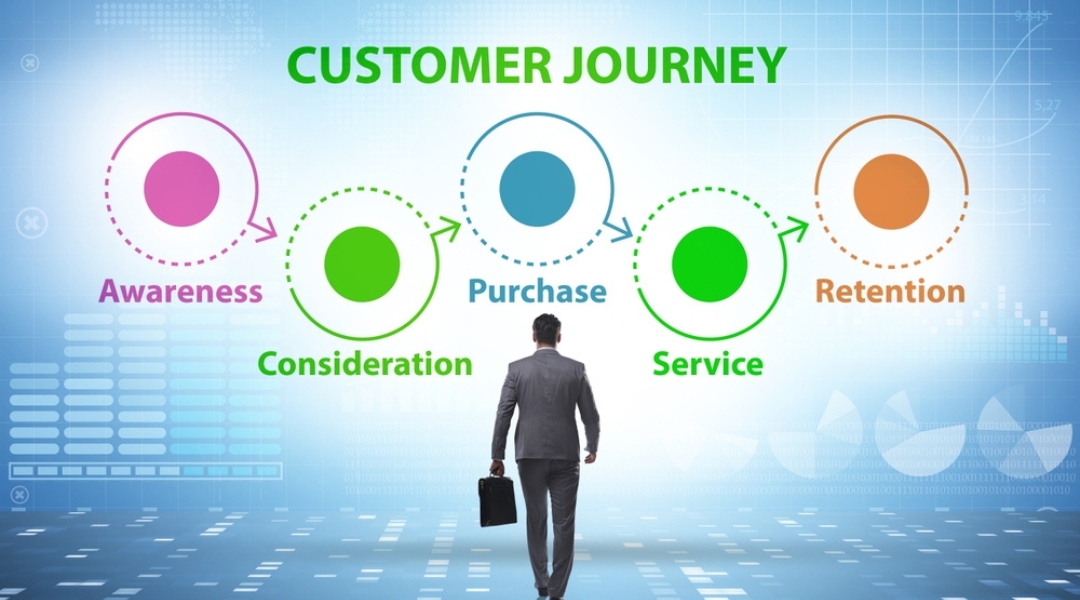
Before writing a single blog post or launching a campaign, I start here. Who are your customers? What do they care about at each stage?
Ask yourself:
- What questions do they ask when they’re just becoming aware of the problem?
- What objections do they have when comparing solutions?
- What makes them finally say yes?
Build your funnel around those moments—not around what you want to promote.
Step 2: Create TOFU Content That Pulls People In
TOFU (Top of Funnel) is where you show up and say, “Hey, I might have what you’re looking for.”
But that doesn’t mean shouting about your product on every channel. At this stage, people aren’t ready to buy. They’re ready to learn, research, and explore.
My go-to TOFU content:
- Blog posts that answer broad, early-stage questions
- SEO-focused content that shows up when people search
- Social media posts that build brand visibility
- Shareable content like infographics or short educational videos
Need a more detailed approach? I broke it down further in this TOFU strategy guide.
Step 3: Guide Prospects with Strong MOFU Content
MOFU (Middle of Funnel) is your nurturing zone. This is where people already know the problem—they’re now figuring out the best solution.
Here’s where I deepen the conversation. You’re not just helping anymore—you’re positioning.
MOFU tactics that work:

- Case studies that show proof
- Educational webinars and workshops
- In-depth guides and whitepapers
- Targeted email sequences with real insights
This is the stage where I emphasize pain point alignment. You’re not pushing your offer—you’re demonstrating how it matches their needs.
For more on this stage, check out my MOFU playbook.
Step 4: Seal the Deal with BOFU Content
BOFU (Bottom of Funnel) is the decision phase. You’ve earned their attention, built trust—and now, you need to make it easy to say “yes.”
This is where a lot of marketers go cold. They either don’t ask for the sale or do it in a way that doesn’t feel relevant.
High-performing BOFU content:
- Product demos or walkthroughs
- Personalized email offers or sales calls
- Customer testimonials with results
- Case-specific pricing pages or FAQs
If you’re not sure where to begin, I’ve unpacked my full BOFU conversion process here.
Step 5: Make the Funnel Work Together
Each piece of your funnel should lead smoothly into the next. What you don’t want is content that feels disjointed or misaligned with where someone is in their journey.
Here’s how I align the flow:
- Use retargeting to move users from TOFU to MOFU
- Trigger emails based on engagement signals
- Personalize CTAs based on funnel stage
Want to see this whole thing come together? I’ve mapped a full funnel journey in this guide.
Step 6: Measure, Adjust, Repeat

Funnels aren’t “set and forget.” You’ve got to test and tweak based on how people are actually moving through.
Key metrics I track:
- TOFU: traffic, bounce rate, time on page
- MOFU: email signups, click-through rates
- BOFU: conversion rate, cost per acquisition
You can read more about measuring each funnel stage to understand what’s working—and what’s not.
Final Thoughts
A funnel is more than just a visual. It’s your strategy in action. The truth is, most businesses don’t need more content—they need the right content in the right order.
When your funnel is built with intention, everything feels easier. Leads qualify themselves. Prospects engage longer. And conversions happen naturally—without the hard sell.
If you’re ready to build a funnel that works for your business and your audience, start with these steps. And if you need a guide who’s done this more times than he’s eaten actual tofu, you know where to find me.Want examples of effective funnel content? Take a look at these real TOFU, MOFU, BOFU strategies.