

Success in marketing isn’t built on guesswork. It’s built on clarity. Clarity about who you’re targeting, what you want to achieve, and how you’ll measure progress along the way. That’s where goal-based campaign planning comes in—and why I’ve used it as the foundation for every successful campaign I’ve managed over the last nine years.
In this guide, I’ll break down what goal-based campaign planning really means, how to do it without overcomplicating your workflow, and what to avoid if you’re serious about performance. I’ve kept it clean, focused, and free of the usual jargon storm.
What You’ll Learn in This Guide:
- The real meaning of goal-based campaign planning (no buzzwords, just results)
- Why it matters more now than ever in 2025
- My step-by-step process, from goal setting to post-launch optimization
- Real-life examples that prove this method works
- Tools I use to keep everything moving in the right direction
- Common pitfalls to skip—unless you enjoy rerunning campaigns
What Is Goal-Based Campaign Planning?

In the simplest terms, goal-based campaign planning means starting with a clear objective and building every piece of your campaign to serve that objective. That’s it. No scattered efforts, no chasing likes for the sake of it, no ambiguous success metrics.
Instead of starting with a tactic—like “let’s run Facebook ads”—I begin with a business goal. Then I work backward to determine which platforms, creatives, messaging, and budgets will help hit that target.
For example, if your goal is to generate 200 leads for your B2B service, your campaign shouldn’t focus on post impressions or follower counts. It should focus on capturing qualified leads through specific landing pages, ads with strong CTAs, and a retargeting system.
If you want to go deeper into this foundational concept, I’ve explained it further here.
Why This Matters More in 2025
It’s tempting to chase trends. AI tools are smarter, marketing automation is easier, and ad platforms are trying to do the thinking for us. But here’s the truth: strategy still wins. And nothing keeps your strategy sharper than having a clear goal up front.
With tighter budgets, increased privacy restrictions, and more fragmented audiences, guesswork is expensive. You can’t afford to let campaigns wander. Goal-based planning keeps you focused and efficient.
This isn’t just my opinion—it’s backed by the results I’ve seen in recent years. Clients who commit to goal-driven planning consistently outperform those who dabble. If you’re still relying on vanity metrics, you’re playing in the wrong league. Want to understand how goals align with business strategy? I explain it further in this post.
My Campaign Planning Process: Step by Step
Step 1: Define a Real Goal (Not Just a Wish)
Saying “We want to grow our audience” is like saying “We want to be more successful.” It’s vague. A real campaign goal is specific, measurable, and tied to business outcomes.
I use SMART goals because they force clarity. If it can’t be measured or timed, it’s not a goal—it’s a distraction. Here’s a quick example:
Not a goal: “Increase engagement”
Goal: “Grow email click-through rate by 20% in Q3”
Need help structuring SMART goals for marketing? Start here.
Step 2: Know Your Audience Inside Out
If you don’t know who you’re talking to, your campaign will talk to everyone—and reach no one. I build buyer personas that include not just demographics, but motivations and behaviors.
Segmentation is just as important. I use different messaging for people at the awareness stage versus those ready to buy. One-size-fits-all marketing never performs well. In fact, it usually just burns budget.
Step 3: Map the Customer Journey
Not everyone’s ready to convert on the first click. That’s why I map campaigns across the full journey—from awareness to consideration to decision.
Each stage has a purpose. Your content and channel strategy should match where your prospect is in their journey. If you’re only running bottom-of-funnel ads, you’re missing out on the majority of your potential conversions.
Want to visualize how this journey looks in campaign structure? I’ve broken it down step-by-step.
Step 4: Choose the Right Channels (Not All of Them)
Just because you can run ads on seven platforms doesn’t mean you should. I choose channels based on audience behavior and goal alignment.
For example:
- LinkedIn for B2B lead generation
- Instagram for visual storytelling and product launches
- Email for mid-to-late funnel engagement
- Google Ads when intent is high
Focus creates impact. Spreading yourself too thin just confuses your messaging and bloats your media budget.
Step 5: Develop Messaging That Converts

Every message in a campaign needs to move the needle. I ask, “What action does this piece of content help the audience take?”
A good message doesn’t try to impress—it works. Strong call-to-actions, relevant visuals, and clear value propositions win every time. No fluff, no “brand-speak.”
Step 6: Assign Budget by Stage and Goal
Budget decisions aren’t just math. They’re strategy. I allocate more to high-impact channels and critical stages of the journey.
For a brand awareness goal, I invest more in video views and reach. For lead generation, I put dollars behind form fills and high-intent retargeting. It all ties back to the original goal. If not, it gets cut.
I touch more on this topic in my article about ROI improvement.
Step 7: Define KPIs That Match Your Objective
I track performance based on the goal, not just what’s easy to measure. Some of my go-to KPIs include:
- Cost per lead (CPL)
- Return on ad spend (ROAS)
- Conversion rate
- Engagement rate by asset type
You’d be surprised how many people monitor clicks when what they need is conversions. Want a crash course on picking the right KPIs? You’ll find it here.
Step 8: Monitor, Test, and Optimize
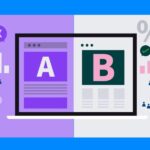
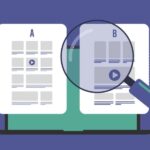
Campaigns aren’t meant to be perfect on day one. I run A/B tests on creatives, audiences, landing pages—anything that could impact performance. And I don’t wait weeks to optimize. If something’s underperforming in the first few days, it gets attention.
Campaigns that sit still, stall. Campaigns that adapt, scale.
Real Campaign Wins Using This Approach
Case 1:
B2B SaaS company targeting decision-makers. Goal: Book 100 demos in 3 months. Strategy: LinkedIn lead gen + Google retargeting. Result: 126 demos booked and a lower CPL than forecasted.
Case 2:
D2C eCommerce brand launching a new product. Goal: Achieve 3x ROAS. Strategy: Influencer UGC, Instagram ads, product-focused landing pages. Result: 3.1x ROAS and 25% increase in returning customers.
I talk more about B2B vs. B2C campaign differences in this post.
Tools I Use to Manage and Monitor Goal-Based Campaigns
Here are a few I rely on regularly:
- Google Analytics 4: To track traffic and behavior across the funnel
- Meta Ads Manager: For real-time ad performance and testing
- HubSpot CRM: For campaign attribution and lifecycle tracking
- Figma or Miro: When I need to visualize the full journey
I avoid tools that complicate the process without adding clear value. If it doesn’t help me decide faster or smarter, I skip it.
Mistakes I See (and Avoid) in Goal-Based Planning

Some errors repeat themselves:
- Vague goals with no measurable outcome
- Trying to win on every platform at once
- Ignoring mid-funnel prospects
- Measuring vanity over value
You can read more about common mistakes here. They’re avoidable—but only if you know what to watch out for.
Final Thoughts: Stay Goal-Driven, Not Guess-Driven
If you remember one thing, make it this: don’t build campaigns around what’s trending. Build them around what you want to achieve.
That doesn’t mean being rigid. Your goal can evolve. Your tactics can shift. But your campaign should always have one clear job—and every piece of it should be doing that job well.
For more on turning strategy into action, see how I go from plan to execution in this article.
Thanks for reading. If your campaigns have been wandering, now’s the time to give them direction.