There’s a huge difference between knowing what a customer persona is… and knowing how to actually build one that works. That’s where examples help.
I’ve spent years developing personas for both B2B and B2C clients—across industries ranging from SaaS to skincare. And I can tell you this: theory only gets you so far. What teams really need is a clear picture of what a great persona looks like in action.
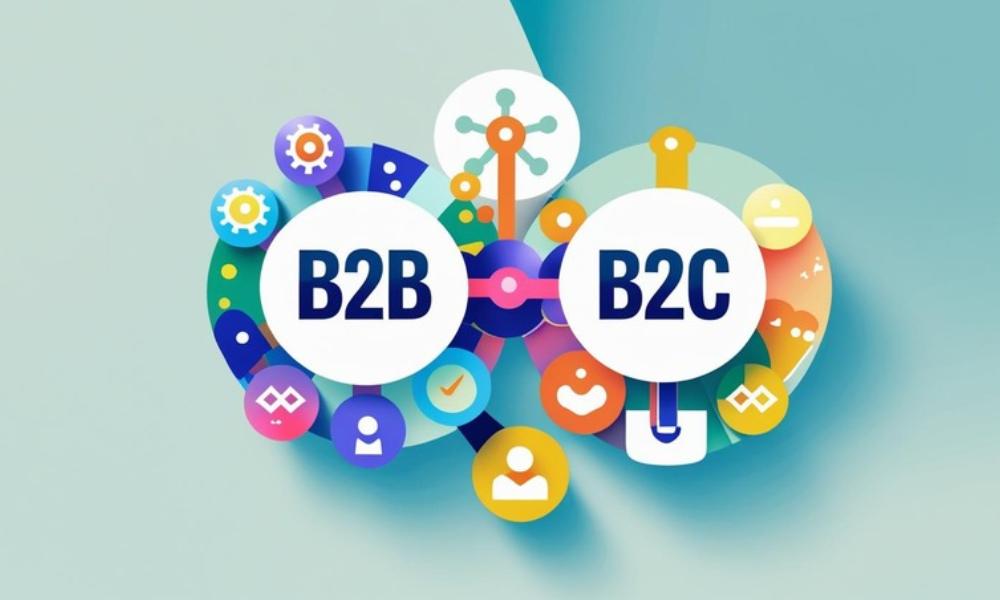
So, in this post, I’m pulling back the curtain. You’ll get real-world customer persona examples (for both B2B and B2C businesses), and I’ll walk you through what makes each of them effective—not just nicely formatted.
Ready to turn vague buyer insights into focused strategy? Let’s get into it.
Why Examples Matter
A lot of persona templates out there look polished. But underneath? Fluff. I’ve seen personas that include favorite pizza toppings but say nothing about buying decisions.
That’s not helpful.
What you need are examples that:
- Reflect real behaviors and challenges
- Are rooted in actual data (not guesswork)
- Guide decisions in marketing, sales, and product
If you’re new to this or refining existing personas, my free customer persona templates are a good place to start.
What Every Solid Persona Should Include
Whether you’re B2B or B2C, every effective customer persona should answer these key questions:
- Who is this person (profession, role, or lifestyle)?
- What are their main goals?
- What frustrates them regularly?
- How do they make decisions?
- What kind of content or messaging do they respond to?
Let’s walk through some concrete examples for both B2B and B2C audiences.
B2B Persona Example: “Operations Olivia”
Name: Operations Olivia
Role: Director of Operations at a mid-sized SaaS company
Industry: Tech
Age: 36
Location: Austin, TX
Company Size: 100–300 employees
Goals:
- Automate repetitive tasks
- Improve internal workflow efficiency
- Scale operations with minimal hiring
Challenges:
- Legacy tools that don’t integrate well
- Getting buy-in from other departments
- Limited time to vet new vendors
Preferred Channels:
- LinkedIn
- B2B newsletters
- Industry webinars
Buying Behavior:
- Research-heavy, focused on ROI
- Responds well to demo videos and peer reviews
- Usually part of a small decision-making team
Key Messaging:
- Show how your solution integrates with current systems
- Emphasize long-term cost savings
- Use social proof from similar roles/industries
How to Use It:
This persona would be ideal when planning email campaigns, creating whitepapers, or briefing your sales team on positioning during demos.
Want more tips on using personas to shape content? I covered that right here.
B2C Persona Example: “Eco Emily”
Name: Eco Emily
Age: 29
Occupation: Freelance designer
Location: Portland, OR
Household Income: $60K/year
Lifestyle: Sustainability-focused, lives alone, shops local
Goals:
- Support eco-conscious brands
- Reduce plastic and waste in daily life
- Live a minimalist, value-aligned lifestyle
Challenges:
- Budget constraints
- Hard to find genuinely sustainable options
- Distrust of greenwashing
Preferred Channels:
- Instagram
- YouTube
- Eco blogs and influencer content
Buying Behavior:
- Emotionally driven, but research-oriented
- Likes to see product origin, ethics, and community reviews
- Prefers brands with clear sustainability missions
Key Messaging:
- Focus on environmental impact and transparency
- Share stories behind the product
- Highlight community and social responsibility
How to Use It:
This persona is great for informing ad creatives, influencer partnerships, and packaging choices. Keep your tone personal and your visuals clean and honest.
B2B Persona Example: “Finance Frank”
Role: CFO at a logistics company
Company Size: 500+ employees
Age: 48
Location: Chicago, IL
Goals:
- Reduce operating costs
- Ensure regulatory compliance
- Improve forecasting and planning
Challenges:
- Legacy ERP systems
- Multiple departments using disconnected software
- High cost of switching vendors
Preferred Channels:
- Industry reports
- Executive roundtables
- LinkedIn and CFO forums
Buying Behavior:
- Conservative decision-maker
- Demands data-driven proof
- Will not be moved by fluff or overly emotional content
Key Messaging:
- Lead with numbers, case studies, and long-term savings
- Address risk mitigation
- Emphasize ease of implementation
B2C Persona Example: “Busy Ben”
Name: Busy Ben
Age: 35
Occupation: Full-time working parent
Location: Atlanta, GA
Household Income: $90K
Lifestyle: Juggles work and parenting; values convenience and simplicity
Goals:
- Save time
- Keep kids healthy and entertained
- Simplify shopping and daily routines
Challenges:
- Constant time pressure
- Shopping online without research time
- Kids have unpredictable preferences
Preferred Channels:
- Email
- Mobile apps
- Facebook and product review sites
Buying Behavior:
- Impulse buyer when trust is high
- Responds well to product bundles and time-saving offers
- Loyalty programs increase repeat purchases
Key Messaging:
- “Quick,” “easy,” and “reliable” are magic words
- Use testimonials from other parents
- Highlight convenience (auto-ship, fast checkout, mobile experience)
Pro Tip: Don’t Mix B2B and B2C Traits
A mistake I see way too often? Using B2B-style messaging for B2C customers—or vice versa. For example, B2B buyers care about ROI and stakeholder approval. B2C buyers? They often go with instinct, emotion, or social influence.
Know the difference. Respect the mindset. Write accordingly.
Build Your Own With Clarity
Use these examples as a guide, but always ground your personas in real customer data. Don’t create imaginary characters based on guesswork. The more accurate your personas, the more targeted your messaging, offers, and experiences can be.
If you’re still working on your first batch, here’s a step-by-step persona guide to help you get it right from the start.
Final Thoughts
Good personas aren’t just exercises—they’re strategy tools. With the right personas in place, you’ll stop wasting time on generic messaging and start speaking directly to the people who matter.
Whether you’re selling cloud software or eco-friendly shampoo, knowing who you’re talking to changes everything.
Need help building personas like these for your business? I do this every day. Let’s make sure your next campaign doesn’t talk past your audience.