

Analytics without context is noise. KPI tracking without strategy is busywork. I’ve spent years helping brands turn scattered data into a focused engine for growth—and I’ve learned that clear tracking can either guide success or mask failure.
This guide walks you through how I approach analytics and KPI tracking to drive performance that actually matters. Whether you’re building a strategy from scratch or fine-tuning a mature system, this will help you align your goals, tools, and reporting in a way that makes data actionable.
What You’ll Learn in This Guide
- What analytics and KPI tracking really mean (minus the jargon)
- How I define high-impact KPIs that link directly to business growth
- Tools I rely on to make data collection and tracking easier
- Dashboard essentials to simplify reporting and decision-making
- KPI tracking mistakes to avoid (and yes, I’ve made them too)
- A system for ongoing optimization without the overwhelm
Why KPI Tracking Is a Growth Lever—Not a Checkbox

Too many teams treat analytics like a rearview mirror. But I treat it like a compass. KPIs aren’t there to impress stakeholders—they’re there to tell you if your marketing is doing its job.
Tracking performance properly helps you:
- Make faster, more confident decisions
- Spot underperforming channels early
- Show real ROI to stakeholders without stretching the truth
- Cut budget waste (goodbye, deadweight campaigns)
This isn’t about being “data-driven” just to sound smart—it’s about making smarter moves, consistently.
What Analytics and KPI Tracking Really Means
Let’s define terms. Analytics is the data you collect and analyze. KPI tracking is how you measure performance against defined goals.
A KPI (Key Performance Indicator) should be:
- Aligned to a business outcome
- Measurable and clearly defined
- Regularly reviewed and optimized
If it doesn’t connect to a growth metric, it doesn’t belong on your KPI list.
Still unclear on the difference between metrics and KPIs? I explain that in this article.
How I Define KPIs That Drive Performance
Here’s how I build KPI sets for clients:
- Start with business goals – Want to grow revenue by 15%? Great. Let’s reverse-engineer the indicators that influence that outcome.
- Map across the funnel – I set KPIs for awareness, engagement, acquisition, and retention.
- Use the SMART method – Specific, Measurable, Achievable, Relevant, and Time-bound. “Increase leads” isn’t enough. “Increase SQLs by 25% in Q3” is.
Not sure how to structure yours? My SMART KPI guide breaks it down with examples.
Tools I Use to Track KPIs Accurately
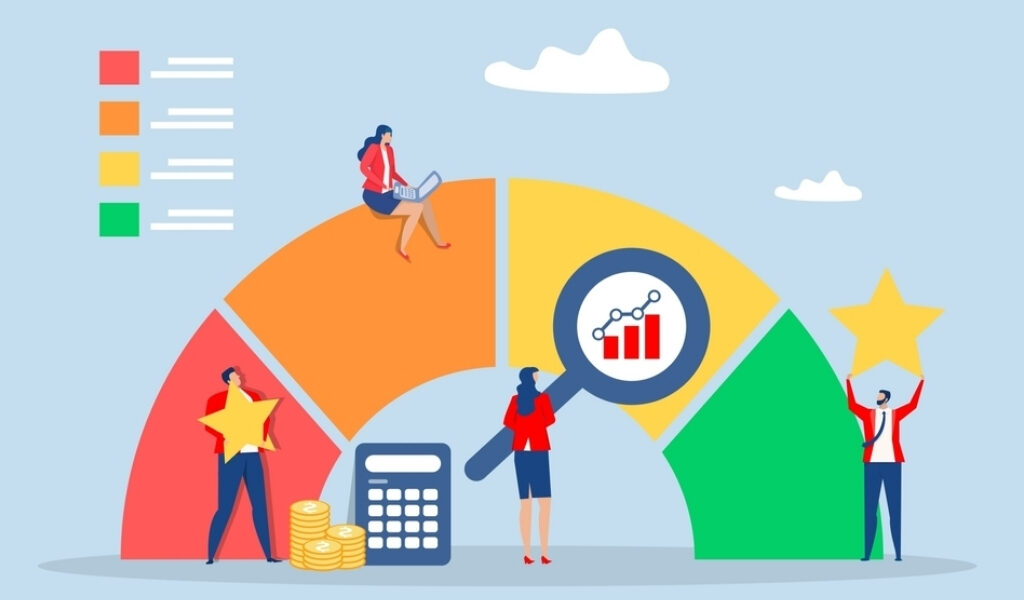
You don’t need a tool stack that looks like a server room. You need a system that works together.
My essential tools:
- Google Analytics 4 (GA4) – Tracks user behavior, conversion paths, and traffic sources
- Google Tag Manager – Deploys custom tracking without harassing your dev team
- CRM Systems – Tracks lead-to-customer flow (HubSpot, Salesforce, etc.)
- Attribution Platforms – Helps map which channels influence results
All your tools should point to the same data story. If they don’t, you’re just reporting for the sake of reporting. For a full breakdown, check out my analytics tool guide.
What to Include in a KPI Dashboard
Your dashboard should be built to drive decisions, not just show numbers.
What I include:
- Top 5–7 KPIs that tie to business goals
- Real-time performance data vs targets
- Visuals like bar charts or line graphs that simplify trends
- Context – Show comparisons to previous time periods
If a dashboard takes 10 minutes to explain, it’s too complicated. My approach to building dashboards puts clarity first.
Avoid These Common KPI Tracking Mistakes
Even good marketers fall into these traps:
- Tracking too many KPIs: More data, more confusion. Focus on what matters.
- Chasing vanity metrics: 10,000 likes don’t help if no one converts.
- Forgetting to revisit KPIs: Business priorities shift. Your KPIs should too.
- No alignment between teams: If sales and marketing aren’t tracking the same goal, expect finger-pointing.
I cover these and more in this piece on tracking pitfalls I’ve helped clients fix.
Tracking Over Time: Keeping the System Running
KPI tracking isn’t static. I recommend:
- Weekly pulse checks to monitor real-time performance
- Monthly reviews to adjust strategy
- Quarterly resets to refine or replace KPIs based on new goals
This cycle keeps your analytics relevant, not stale. It also helps teams stay proactive instead of reactive.
Reporting: Where Data Becomes Insight
Tracking helps you know. Reporting helps you communicate.
Here’s how I approach reporting:
- Keep it brief – A snapshot, not a novel
- Highlight progress – Are we up, down, or flat?
- Add next steps – What actions should follow from this report?
If your reports don’t help someone take the next step, they’re just colorful PDFs.
More tips? Here’s my GA4-based reporting guide: KPI tracking in Google Analytics
How Many KPIs Should You Track?
You don’t need 25 KPIs. You need 5–7 that guide action.
Here’s how I decide:
- One or two for each key stage of the funnel
- A mix of leading and lagging indicators
- KPIs that the team can influence—not just admire from afar
Campaign-specific indicators? Sure. But keep the core list tight. For a quick-start set, check out the top KPIs I track.
Final Thoughts
Analytics and KPI tracking shouldn’t feel like a spreadsheet punishment. When done right, they become the clearest lens through which to see your marketing impact.
If you’re guessing at what’s working—or worse, assuming—you’re leaving growth on the table.
Define what matters. Track what moves. Report with purpose.
And if you ever feel like your data’s just a mess of numbers with no meaning, I’ve been there too. Just start with one business goal and work backward. That’s where the best tracking frameworks begin.