
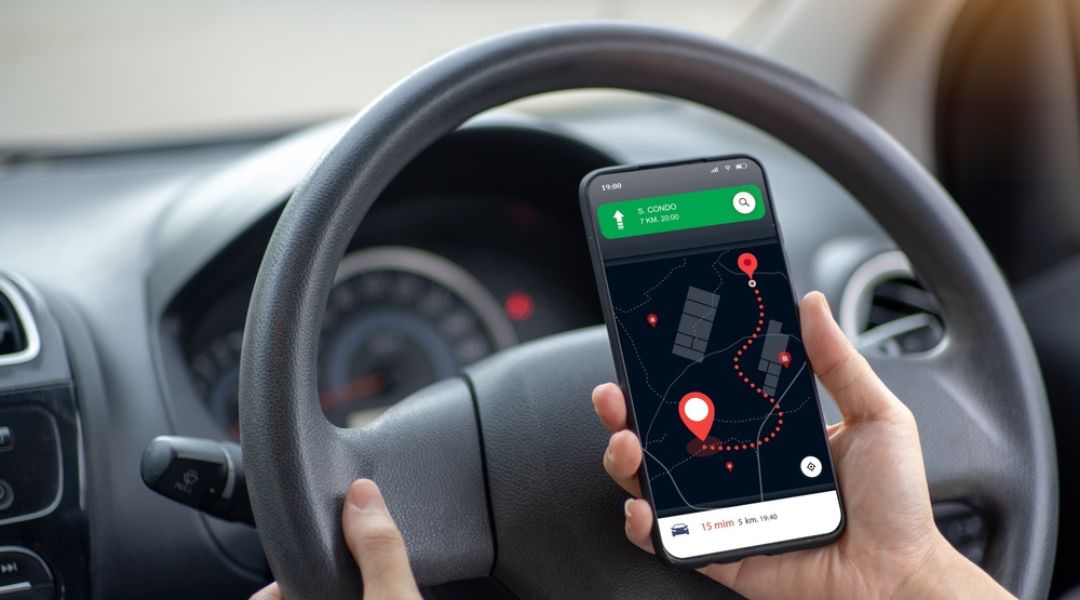
When someone’s hungry, stuck with a flat tire, or hunting for a good coffee shop—where do they go? If you’re like most people, your first move is to search on Google Maps.
If your business doesn’t show up in the Map Pack, you’re practically invisible. I’ve helped local brands break out of that invisibility cloak, and here’s the truth: Map Pack rankings aren’t about luck—they’re built on strategy.
This guide breaks down how I improve visibility for local clients. If you’re serious about showing up when and where it matters, here’s what you need to focus on.
What You’ll Learn
- How to claim and fully optimize your Google Business Profile
- What kind of posts and updates keep your listing active
- Why schema markup helps more than you’d think
- How to handle reviews (even the weird ones)
- What signals Google actually cares about
- How to track whether your efforts are working
Claim and Optimize Your Google Business Profile (GBP)

First thing I check with any client? Whether they’ve claimed their GBP. If not, that’s job #1. You can’t appear in the Map Pack if Google doesn’t know you exist.
Once claimed, I go line by line:
- Business name (use your real name—no stuffing keywords)
- Categories (choose primary and secondary carefully)
- Hours (update these seasonally or during holidays)
- Services, products, and descriptions
- Service area (especially for businesses without a storefront)
Add photos—real ones. Not stock images of overly happy people holding iPads. Use shots of your team, your storefront, or your work.
I also make sure the info here matches what’s on your site and directories. Google doesn’t like inconsistency.
(Related: Google My Business Optimization Guide)
Keep It Active With Posts and Photos
Google’s not a fan of idle profiles. I post at least once a week—an event, offer, blog snippet, or even a simple update with a photo. Google Posts show up directly in search results and Maps.
Posts with photos? Even better. They catch the eye and drive interaction.
(Related: GMB Posts: How to Use Them)
Fix Your Site’s Local SEO Signals
GBP alone won’t carry you. I make sure the site reinforces the local connection.
That means:
- Clear location info in titles and meta descriptions
- A contact page with NAP info and embedded map
- Localized service pages if the business serves multiple areas
- Fast mobile performance (most Maps searches happen on phones)
(Related: Mobile Optimization for Local Search)
Need help with mobile performance? That’s my playground. Site speed and crawlability directly influence local rankings.
Use Local Schema Markup
Schema tells Google what your business is and where you are—without guesswork.
I implement LocalBusiness markup with:
- Name, Address, Phone (NAP)
- Geo-coordinates
- Opening hours
- Links to your profiles
Make sure the structured data matches your GBP exactly. Don’t give Google reasons to doubt your details.
(Related: Schema Markup for Local SEO)
Embed a Google Map on Your Website
I always add a Google Map embed to the contact page. It’s subtle, but effective. It reinforces your location, helps users, and adds trust.
While Google hasn’t come out and said “embed a map to rank better,” I’ve seen results that say otherwise.
Earn Reviews (and Manage Them)

I can’t stress this enough—real reviews matter. I guide my clients to ask for them regularly. Not with pressure, but with timing.
Here’s how I typically set it up:
- A simple email or text after service
- Direct link to the GBP review page
- Template suggestions to make it easier
More important? Responding. I’ve seen businesses turn a one-star rant into a five-star update—just by handling it like a human.
And please—don’t buy fake reviews. Google’s smarter than that, and your customers probably are too.
(Related: How to Get More Local Reviews)
Nail Your NAP Consistency
NAP inconsistency is like sending mixed signals on a first date. It confuses Google and turns off potential customers.
I start with a NAP audit—searching for every version of the business online. Then I correct mismatches across directories, old listings, and forgotten press releases.
Consistency builds trust with both search engines and people.
(Related: NAP Consistency and Why It Matters)
Build Citations and Local Links
Citations aren’t just filler—they help validate your location. I make sure my clients are listed on:
- Yelp
- Bing Places
- Apple Maps
- Industry-specific directories
- Local chambers or business groups
Then I go after backlinks from:
- Local newspapers or bloggers
- Partnering businesses
- Sponsorships and event participation
The best local links don’t just help SEO—they bring actual customers.
(Related: Local Link Building Strategies)
Engage With the Community
Google wants signs you’re active locally. I help businesses show that by:
- Publishing local event content
- Sponsoring sports teams or charity events
- Hosting workshops or pop-ups
It’s not just for show—it leads to organic mentions, links, and user engagement. Bonus: it makes your brand more human.
Target Long-Tail, Location-Based Queries
Ranking for “plumber” is tough. But “plumber open late in Plano” or “emergency plumbing near me” gives you real opportunities.
I focus on creating content that hits long-tail intent, using terms real customers type:
- “Affordable lawn care in Brooklyn”
- “Women-owned coffee shop near me”
- “Same-day screen repair downtown”
Use Google Search Console or basic keyword tools to find these. Or just listen to how customers describe your services.
(Related: Local Keyword Research Tips)
Monitor Your Performance

If you’re not tracking it, you’re guessing.
I use tools like Local Falcon or BrightLocal to monitor Map Pack visibility. I also set up UTM tags on GBP links so I can track actual clicks and behavior in GA4.
And yes, I check rankings manually, too. Incognito mode, VPN, no login—it gives a real-world picture.
(Related: Tracking Local SEO Success)
Final Thoughts
There’s no “Map Pack hack.” What works is showing Google you’re real, relevant, and respected in your community.
Here’s what I focus on with every client:
- Verified GBP with regular posts
- Fast, mobile-friendly local website
- Consistent NAP across every platform
- A steady stream of real reviews
- Local links, citations, and community engagement
When done right, this doesn’t just help rankings. It builds long-term visibility that brings in foot traffic, phone calls, and leads.
Want to dominate your local market? Start with one of the steps above and commit to doing it well. Google—and your customers—will notice.