
A content calendar without keyword alignment is like cooking without knowing what ingredients you have—or who you’re feeding.
Sure, you can publish consistently. But without aligning your calendar to what your audience is actually searching for, you’ll struggle to grow organic traffic, build authority, or drive conversions.
In this article, I’ll show you how I align a content calendar with SEO keywords—so every blog post, landing page, and resource serves a real search need and business goal.
What You’ll Learn in This Article
- Why content calendars often fail without keyword strategy
- My step-by-step process for keyword-aligned planning
- How to prioritize topics based on value, not guesswork
- Tools I use to build, track, and optimize calendars
- What to stop doing if you want your content to perform
Why SEO Should Drive Your Content Calendar

It’s not just about ranking.
It’s about writing content people are actively searching for, in the format they want, when they need it.
When your calendar is built around SEO, you:
- Capture organic traffic across the funnel
- Publish with intention, not gut instinct
- Avoid duplicated or scattered content
- Turn your editorial strategy into a growth strategy
Publishing without SEO alignment isn’t just inefficient—it’s expensive.
Step 1: Start With Your Keyword Research
Before building any calendar, I start with a clean keyword list.
That means:
- Core topics tied to business goals
- Clustered keyword sets by theme
- Intent identified (informational, commercial, transactional)
- Funnel stage tagged (TOFU, MOFU, BOFU)
If you don’t have this yet, start here:
Keyword Research Guide 2025
Keyword Clustering Strategy
This gives you the raw data to plan content that people are actually looking for.
Step 2: Map Keywords to Content Types and Funnel Stage
Once you have the keywords, match them to the right content type based on search intent and buyer journey.
Here’s how I align it:
| Intent | Funnel Stage | Content Type |
| Informational | TOFU | Blog posts, guides, explainer videos |
| Commercial | MOFU | Comparison posts, solution briefs |
| Transactional | BOFU | Product pages, demos, testimonials |
If a keyword is “what is onboarding software,” it belongs in TOFU.
If it’s “best onboarding software for remote teams,” that’s MOFU or BOFU.
Need help with this step?
Content Mapping by Funnel Stage
Step 3: Build a Content Matrix Before Building the Calendar
Before you assign dates, build a content matrix.
Here’s what mine includes:
- Keyword or cluster
- Suggested title
- Funnel stage
- Content format
- Target URL (new or existing)
- Priority score (based on impact + effort)
This helps me:
- Spot overlapping ideas
- Balance funnel stages
- Ensure content diversity
- Assign proper resources
You can build this in Google Sheets or Notion. Simple > bloated.
Step 4: Assign Dates, Owners, and CTAs
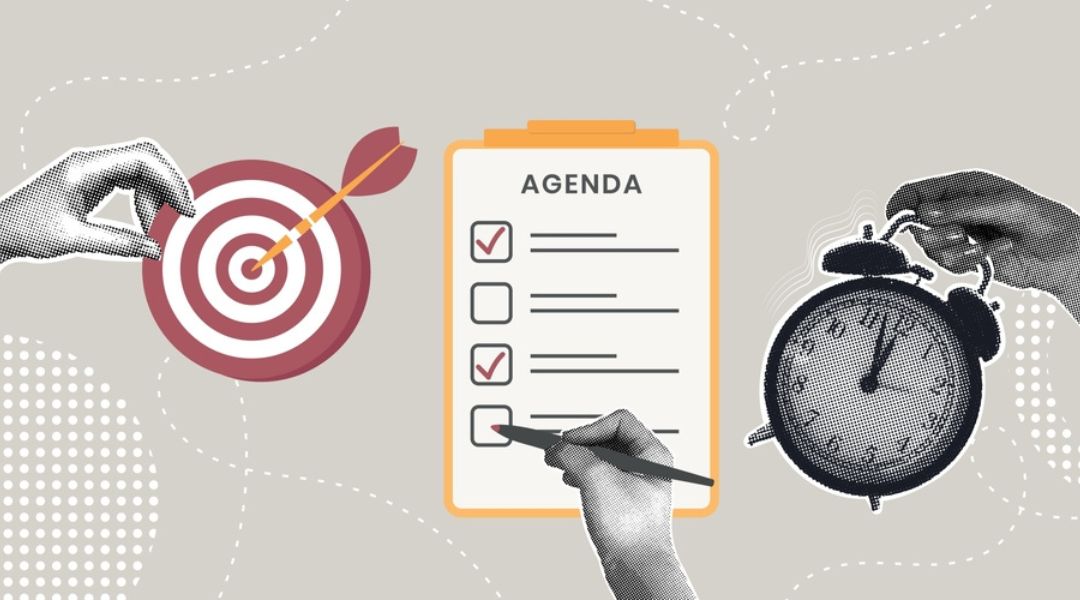
Now that you know what you’re publishing, schedule when and who.
TOFU content → fill awareness gaps early in the quarter
MOFU content → align with campaigns or seasonal demand
BOFU content → publish close to product launches or offers
Each entry in the calendar should include:
- Finalized title
- Keyword focus
- CTA
- Status (planned, in progress, live)
- Owner (writer/designer/etc.)
You don’t need to plan 6 months at once. Start with 4–6 weeks and iterate.
Step 5: Link Content Across the Calendar
A keyword-aligned calendar doesn’t mean publishing in isolation.
I add internal linking tasks to each item:
- New blog → link back to related pillar
- Comparison post → link to BOFU page
- Case study → link from MOFU blog
This builds a connected content ecosystem—not 20 pages floating alone in the SEO abyss.
See how I structure internal linking here:
From Keywords to Conversions
Step 6: Track, Optimize, Repeat
Once content is published, I track:
- Keyword rankings
- Organic sessions
- Click-through rate (from SERPs)
- Conversions tied to content
I update the calendar monthly to:
- Reflect live performance
- Identify what needs updating
- Swap out lower-priority content for bigger wins
This is how your calendar becomes a living, breathing strategy—not a static publishing checklist.
Tools I Use to Align Content Calendars with SEO
- Google Sheets or Airtable – for planning and status tracking
- Google Search Console – for performance data
- Ahrefs or SEMrush – for keyword research and tracking
- Notion – for calendar + workflow integration
- Conductor – for aligning keywords to content performance at scale
What to Avoid (Trust Me, I’ve Seen It All)

Writing content without checking for keyword demand
Publishing all TOFU or all BOFU content
Using the same keyword twice in different articles
Ignoring SERP features (or competitor formats)
Treating your calendar like a to-do list, not a strategy
Fix these, and your calendar will work with SEO—not against it.
Final Thoughts: Build Smarter, Not Just Faster
Keyword-aligned calendars don’t just help with rankings—they make your entire content operation more strategic.
You’ll publish:
- With purpose
- For the right audience
- At the right time
- In the right format
And that’s how organic content becomes a business growth engine—not a blog maintenance task.
Need to build a keyword-aligned content plan from scratch?
How to Build a Content Strategy Around Keyword ResearchAlready have one but not seeing conversions?
The Link Between SEO Keywords and High-Converting Content