

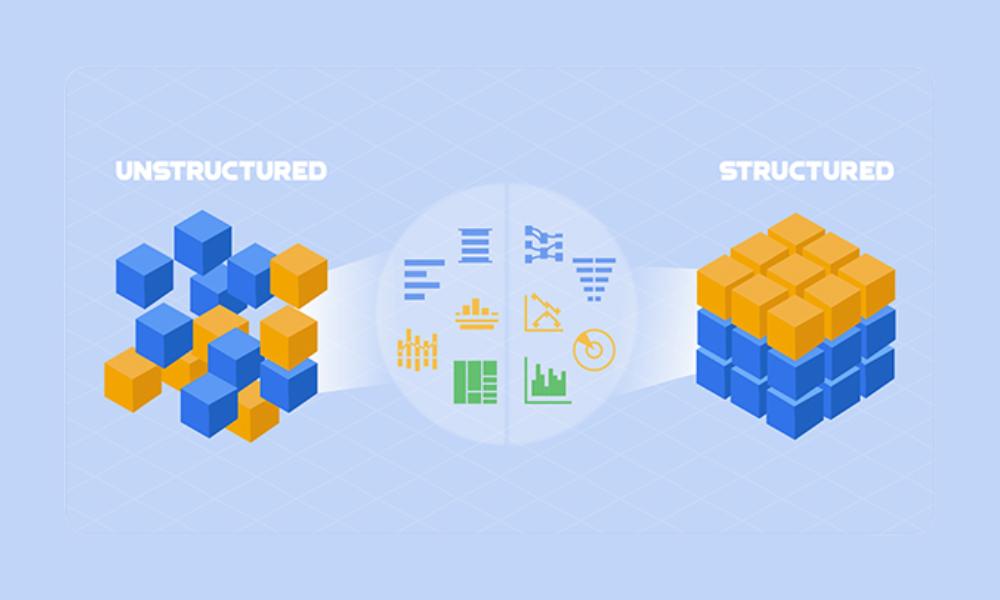
if you want better visibility in search, featured snippets, rich results, and more meaningful indexing, you can’t ignore the structured side of your content.
Structured data isn’t a content strategy—it’s a technical signal. And in 2025, it’s one of the most efficient ways to help search engines understand your pages.
Let’s break down the difference between structured and unstructured data—and how I use both to strengthen technical SEO.
What You’ll Learn in This Article
Here’s what I’ll walk you through:
- What structured and unstructured data actually mean
- Why structured data matters for rankings, visibility, and indexing
- Where unstructured content still plays a role
- How I implement structured data for SEO
- Tools I use to generate, validate, and manage it
What Structured Data Actually Is
Structured data is content formatted in a standardized way that search engines can read, parse, and interpret with clarity.
In SEO, this usually means adding schema markup—code that uses a common vocabulary (like Schema.org) to label your content.
Example:
Instead of Google guessing that a number is a rating or that a name is a product, structured data tells them directly:
json
CopyEdit
{ “@context”: “https://schema.org/”,
“@type”: “Product”,
“name”: “Wireless Headphones”,
“aggregateRating”: {
“@type”: “AggregateRating”,
“ratingValue”: “4.5”,
“reviewCount”: “247”}}
That’s what turns a regular blue link into a rich result with stars, prices, and extra content in the SERP.
What Unstructured Data Is (and Why It Still Matters)
Unstructured data is content written for people, not bots. Think:
- Blog posts
- Product descriptions
- Reviews
- Long-form guides
- Comments and testimonials
It’s valuable—but it requires context. Search engines have to use AI, natural language processing, and entity recognition to understand it.
The more unstructured data you have, the more you rely on Google interpreting it correctly.
That’s why I don’t leave it to chance—I pair high-quality unstructured content with schema where possible.
Why Structured Data Helps SEO (Even if It Doesn’t Directly “Rank”)
Structured data isn’t a direct ranking factor—but it improves the signals around your page in three ways:
1. Enhanced SERP Appearance
You get:
- Rich snippets
- Product info
- Recipe steps
- FAQs
- Event info
- Star ratings
That means higher click-through rates and stronger visibility—even if your ranking position stays the same.
2. Better Crawl Efficiency
Schema gives search engines clearer context about what the page is, what entities are mentioned, and how it connects to your site structure.
Faster understanding = faster indexing.
3. Eligibility for Search Features
Structured data is required for:
- Featured snippets
- How-to cards
- FAQ dropdowns
- Knowledge panels
- Video previews
If you’re not marking up your content, you’re missing out on these opportunities.
How I Use Structured Data in Technical SEO

Step 1: Identify Eligible Content Types
I look for:
- Articles and blog posts
- FAQs and how-to guides
- Products and services
- Reviews and testimonials
- Events and locations
- Videos and courses
If it can be categorized, described, rated, or timestamped—it can be marked up.
Step 2: Add Schema with Rank Math or Manual JSON-LD
For WordPress sites, I use:
- Rank Math to auto-generate schema for common types
- Custom JSON-LD for more advanced or nested types
I avoid microdata or RDFa—it’s outdated and clunky compared to JSON-LD.
Step 3: Validate with Rich Results Test
I use Google’s Rich Results Test to:
- Check if schema is implemented correctly
- See what enhancements the page is eligible for
- Spot missing or invalid properties before pushing live
Bonus: I also test in Search Console > Enhancements to track pages using schema and detect issues over time.
Tools I Use to Manage Structured Data
Here’s my go-to stack:
- Google’s Rich Results Test – for real-time validation
- Schema Markup Validator (schema.org) – for structure check
- Rank Math SEO – for WordPress schema implementation
- Mermaid Chart + JSON-LD playground – for writing and testing code
- Search Console > Enhancements – for monitoring live schema data
For custom platforms, I work directly with developers to bake JSON-LD into templates.
Structured vs. Unstructured: How I Balance Them
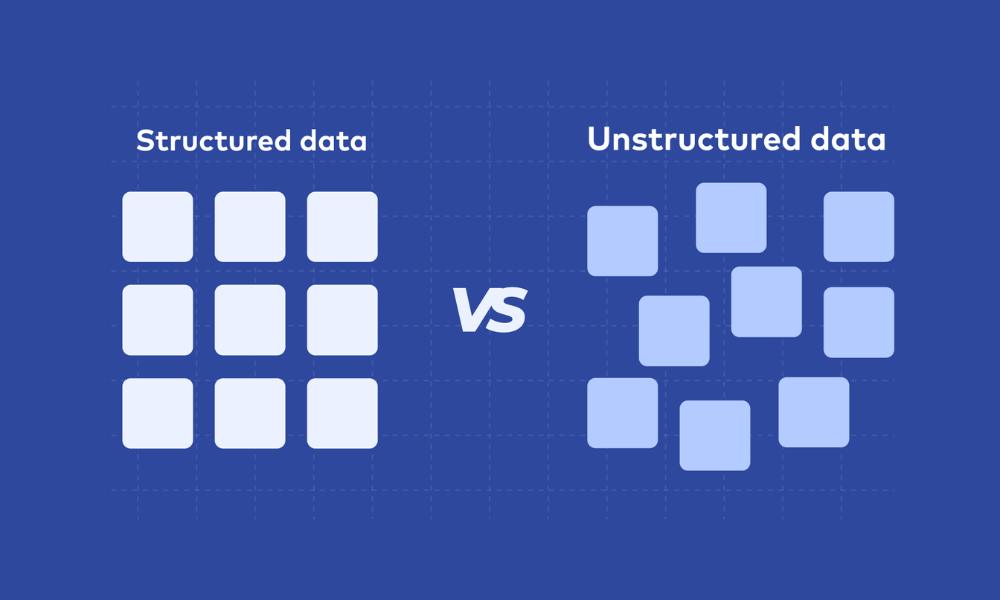
I don’t treat this as an either/or.
Here’s how I approach it:
- Unstructured content drives meaning, engagement, and value for the user.
- Structured data gives Google the clarity it needs to elevate that content in search.
If you have great content, but no schema—it may never surface in rich results.
If you have schema, but poor content—it won’t rank well enough to matter.
They work best when paired.
Final Takeaway: Structure Gives Meaning to Content
Here’s the bottom line:
Search engines don’t want to guess anymore.
They want context, clarity, and confirmation.
Structured data gives them that.
If you’re not using schema, you’re relying on Google’s best guess. If you are using it—and using it correctly—you’re helping your content get seen, understood, and featured.
Whether you run a blog, store, or SaaS product—start here:
Structured vs. Unstructured Data for SEO
Because in technical SEO, structure isn’t decoration—it’s direction.