

It’s Not Just About the View Count
When someone asks me, “Should I run video ads on YouTube, or should I go with something like Instagram, Facebook, or TikTok?”—my answer usually starts with: “Well, it depends.” (And yes, I hate that answer too.)
But the truth is, different platforms offer different advantages—and different limitations. What works brilliantly on YouTube might flop on TikTok. A video that dominates on Instagram Stories might barely register on LinkedIn.
That’s why I wrote this. If you’re trying to figure out where to put your video ad dollars—or even just where to start—this guide is for you.
What You’ll Learn
- Key strengths and weaknesses of YouTube vs Facebook, Instagram, TikTok, and LinkedIn
- Targeting capabilities (spoiler: they’re not all created equal)
- Cost comparisons across platforms
- Ad formats, engagement styles, and user behavior
- When to choose YouTube—and when not to
- How I use different platforms for different stages of the funnel
YouTube Ads: Built for Long-Form Attention
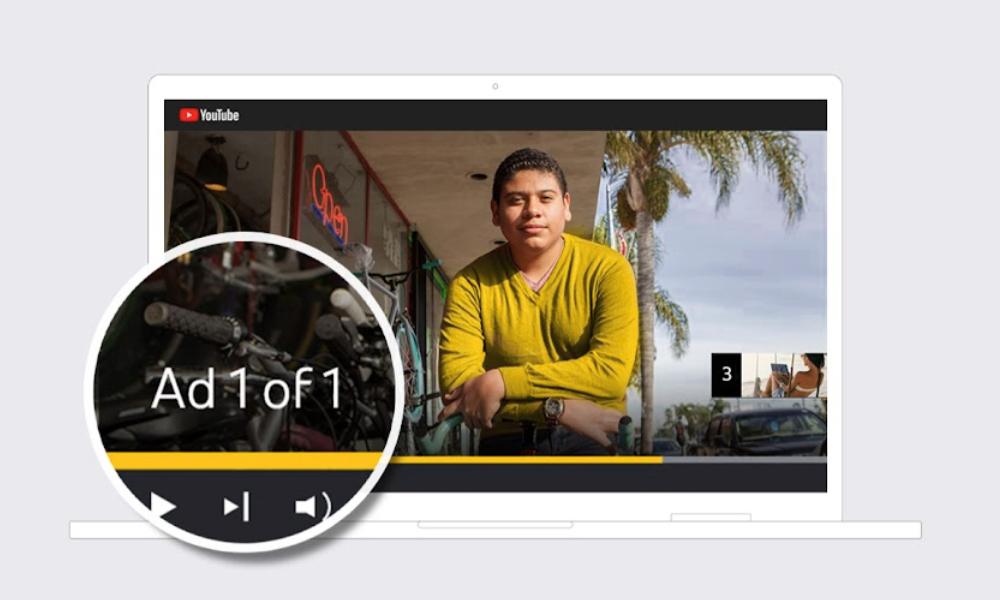
Let’s start with the obvious one—YouTube. It’s where people go to watch videos. Unlike most other platforms, they’re not multitasking or swiping through vacation pics. They’re there for content, which means they’re far more likely to sit through yours—if it’s good.
Why YouTube Works
- Intent-based audience: People are often searching for solutions, not just killing time.
- Flexible ad formats: Skippable in-stream, bumper, non-skippable, and in-feed.
- Detailed targeting: Based on search history, channel subscriptions, behavior, and more.
- Great for retargeting: Especially when integrated with your website or Google campaigns.
This makes YouTube ideal for both top-of-funnel awareness and bottom-of-funnel conversions. It’s also why many of my clients start here—and stick with it.
Learn how to launch a campaign here:
How to Set Up a Successful YouTube Ad Campaign
Facebook and Instagram Ads: Quick Engagement, Broad Reach
Let’s be honest—people don’t go on Facebook or Instagram to watch ads. They go to scroll. That said, video ads on these platforms can still work well—if you grab attention early.
Pros
- Visual-first environment: Great for lifestyle and product-based content.
- Strong retargeting: Especially if you already have traffic on Meta platforms.
- Ease of use: Meta Ads Manager is user-friendly and integrates Facebook and Instagram in one place.
- Engagement metrics: Likes, shares, comments, and saves can boost reach.
Cons
- Lower intent: Viewers aren’t necessarily shopping or problem-solving.
- Short attention spans: You’ve got 1–3 seconds to make an impression.
- Privacy updates: Targeting isn’t what it used to be, thanks to iOS changes.
These platforms are best for middle-of-funnel engagement or for visual storytelling that reinforces brand identity.
Want to compare ad formats? See:
YouTube Ad Formats Explained
TikTok Ads: Short, Fast, and Wildly Effective (Sometimes)
If your brand has a pulse and your product appeals to a younger audience, TikTok is worth a look. It’s all about trends, storytelling, and raw, real content.
What Works on TikTok
- Native feel: Your ad should not look like an ad.
- High engagement: Likes, shares, saves, duets, and comments.
- Creative-first culture: Weird wins. Polished often doesn’t.
- Lower cost per mille (CPM) than most other platforms.
Where It Falls Short
- Short shelf life: Your viral video today is forgotten tomorrow.
- Learning curve: If you don’t understand the culture, your ad will stick out—in a bad way.
- Limited targeting depth compared to YouTube or Facebook.
In short: great for top-of-funnel visibility and brand buzz. Less reliable for conversion-heavy campaigns—unless you’ve got a strong TikTok strategy.
LinkedIn Ads: B2B’s Favorite Playground (for a Price)
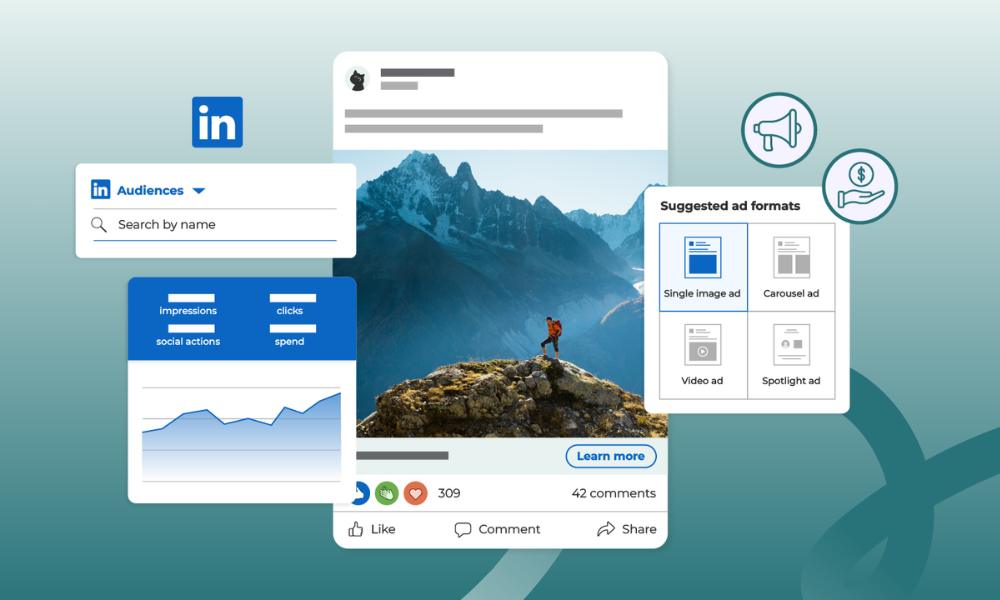
LinkedIn video ads are underrated—but also overpriced. If you’re in B2B and targeting by job title, company size, or industry, nothing beats it. Just know you’ll be paying a premium.
Pros
- Highly specific targeting: Job title, function, seniority, company name
- Professional environment: Viewers are in a business mindset
- Lead gen-friendly: Works well with gated offers or event promotions
Cons
- High CPC and CPM: Expect to pay $5+ per click and $100+ CPM
- Limited video ad formats: In-feed only—no pre-roll or stories
- Engagement isn’t fun: Expect comments like “Let’s connect” and not much else
If your target is a CFO or CTO, LinkedIn is the place. Just have a strong budget and a serious offer.
Cost Comparison (Ballpark Figures Only)
| Platform | Avg. CPM | Avg. CPC | Best For |
| YouTube | $10–$30 | $0.10–$0.30 | Awareness + Conversions |
| Facebook/IG | $8–$25 | $0.50–$1.50 | Mid-funnel engagement |
| TikTok | $5–$15 | $0.10–$0.60 | Brand awareness, top-of-funnel |
| $90–$150 | $5–$10 | B2B leads, webinars, SaaS |
Note: These ranges shift by industry, audience size, and competition. Use them as guidelines—not rules.
So… What Works Best?
Here’s the part where I could say “YouTube is king,” but that wouldn’t be helpful. The truth is: each platform serves a purpose.
Here’s how I usually break it down:
- If you want long-form attention, deeper engagement, and strong targeting: YouTube.
- If you want broad reach and visual impact: Facebook or Instagram.
- If you want buzz, trends, and speed: TikTok.
- If you want B2B leads and high-level targeting: LinkedIn.
I often start my clients on YouTube because it balances cost, intent, and control. Plus, the analytics are clear and actionable.
Looking for real ROI tracking? Read:
How to Track and Optimize Your YouTube Ad Performance
My Funnel Strategy: Using Platforms Together
Here’s how I often use these platforms in tandem:
- YouTube for initial education – Great for long-form explainers, testimonials, and problem-solving videos.
- Facebook/Instagram for retargeting and soft offers – Push people back into the funnel with visuals and remarketing.
- TikTok for pure reach – Ideal for product discovery and “show, don’t tell” moments.
- LinkedIn for gated lead offers – Especially strong for webinars, white papers, or SaaS trials.
Each platform supports the others. The trick is to know what role they play and what creative performs best on each.
Need help creating that first ad? Start with the basics:
YouTube Video Ads for Beginners
Final Thoughts: The Platform Doesn’t Make the Ad
Great video ads aren’t great because of the platform. They’re great because they:
- Speak clearly to the viewer’s need
- Hook attention fast
- Offer something useful or interesting
- Match the style and rhythm of the platform
If your ad does those things, you’ll get results—whether it’s on YouTube, TikTok, or some future platform we haven’t even met yet.
Just don’t expect one video to work everywhere. Edit, adapt, and test. The results are worth the effort.
Still unsure where to start? I break it all down in this step-by-step setup guide:
How to Set Up a Successful YouTube Ad Campaign