

Let’s be real—without proper tracking, your campaigns might as well be magic tricks. You spend money. People click. Some convert. But unless you know where those conversions are coming from, you’re guessing, not optimizing.
That’s where UTM parameters come in.
UTMs don’t require advanced tools or coding. They’re small, simple additions to your URLs—and they make a big difference in how accurately you can track and analyze your campaigns.
In this guide, I’ll show you exactly how I use UTM parameters to track conversions across paid, organic, and social channels.
What you’ll learn:
- What UTM parameters are (and how they work)
- The five UTM parameters that matter
- How I structure UTMs for clean reporting
- Where to use them (and where not to)
- Common mistakes to avoid
- How to combine UTMs with platforms like GA4, Meta, and HubSpot
Let’s break it down.
What Are UTM Parameters?

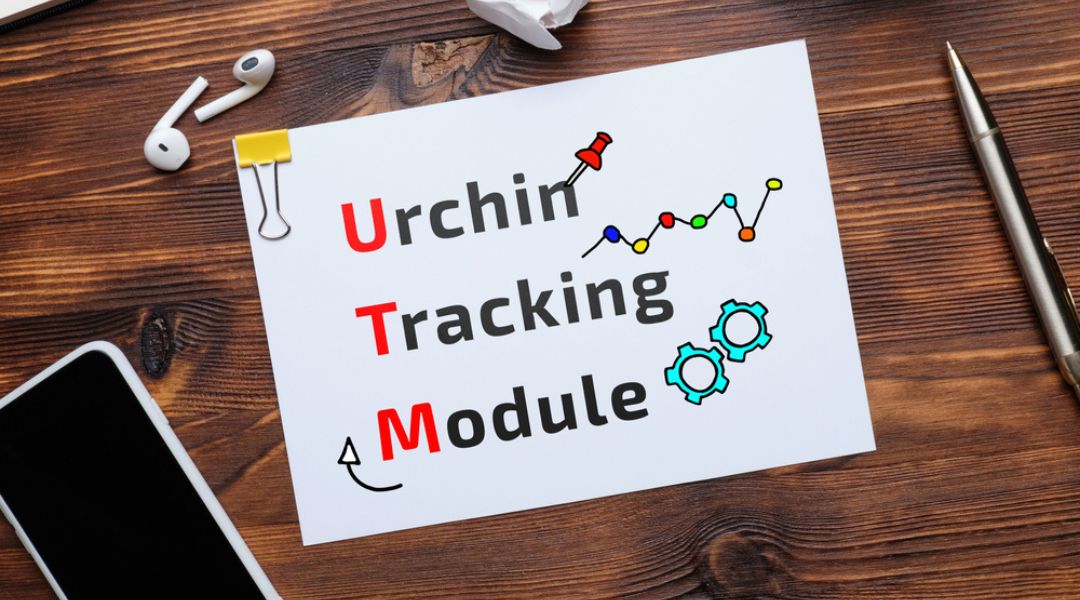
UTM (Urchin Tracking Module) parameters are tags you add to a URL so your analytics platform knows exactly where traffic came from.
When someone clicks this link, your analytics tool (like GA4) knows:
- They came from Facebook
- It was a paid ad
- The campaign name was summer_sale
You now have clean data that tells you not only who converted—but how they got there.
The 5 UTM Parameters You Should Know
You don’t need all five in every URL. But I use at least three (source, medium, and campaign) every time.
1. utm_source
Where the traffic came from.
Examples: facebook, google, newsletter, linkedin
2. utm_medium
The type of traffic or marketing channel.
Examples: paid, organic, email, cpc
3. utm_campaign
Your campaign name or promotion.
Examples: spring_launch, product_demo, retargeting_q3
4. utm_term (optional)
Used to track paid keywords.
Examples: crm+software, lead+generation+tools
5. utm_content (optional)
For A/B testing or different versions of the same ad.
Examples: video_ad, cta_button_b, header_banner_1
How I Structure UTM Tags for Clear Reporting
There’s no universal rule, but consistency is everything. I keep naming tight, simple, and lowercase—so reports are clean and easy to segment.
Example:
makefile
CopyEdit
Source: facebook
Medium: paid
Campaign: leadgen_trial
Content: ad_variant_a
Use hyphens or underscores. Avoid spaces, uppercase, or random tags. What you name today will be what you dig through a month from now.
If you’re managing multiple platforms, campaigns, or funnels, you’ll thank yourself later.
Where I Use UTM Parameters (and Where I Don’t)
Use UTMs on:
- Facebook, Instagram, and LinkedIn ads
- Google Ads (if auto-tagging is off)
- Email campaigns (newsletters, onboarding flows)
- Sponsored content or influencer links
- Banner ads, QR codes, PDFs
- Affiliate and referral programs
Skip UTMs on:
- Internal links (between pages on your own site)
- Direct traffic (no link = no tag)
- Organic search (GA handles this automatically unless you’re tracking a custom promo)
Want more platform-specific examples? Start with this conversion tracking guide.
How UTMs Work with Google Analytics 4
GA4 automatically recognizes UTM parameters. You’ll find them in reports under:
- Traffic Acquisition
- Source / Medium
- Campaign Name
You can also build custom reports in Explore to analyze conversions by UTM tag.
When paired with GA4 events, UTMs help you track the full conversion path—from the first click to the final sale.
Need a GA4 primer? Check this post for setup help.
How UTMs Integrate with Meta Ads & CRM Tools
Meta Ads
Always use UTMs on destination URLs—even if you use the Meta Pixel. Why?
- Pixel data stays inside Meta. UTM data appears in GA4 or your CRM.
- You’ll be able to compare GA4 data with Meta Ads results for better attribution clarity.
Example:
ini
CopyEdit
utm_source=facebook&utm_medium=paid&utm_campaign=retargeting_trial&utm_content=ad2
HubSpot & Other CRMs
When users convert through a form, UTMs can be passed into hidden fields and saved in contact records. This shows which campaigns generated real leads—not just clicks.
Common UTM Mistakes to Avoid
I’ve seen these cause headaches more than once:
- Inconsistent naming (e.g., Facebook vs facebook)
- Spaces or symbols in tag values
- Using UTMs on internal links (this can break session tracking)
- Overwriting GA’s auto-tagging in Google Ads without purpose
- Not using campaign names consistently across platforms
Set a simple naming convention. Share it with your team. Stick to it.
Bonus Tip: Use a UTM Builder

To keep things fast and error-free, use a UTM builder. There are plenty out there.
I use a basic spreadsheet or:
- Google’s Campaign URL Builder
- HubSpot’s UTM generator
- Or custom templates inside Google Sheets
Once the format is set, you just plug in the values.
Final Thoughts
UTM parameters are small details that make a big difference.
When done right, they give you full visibility into your campaigns—what’s converting, where to spend more, and where to cut back. They’re easy to set up, simple to use, and essential for accurate reporting.
If you’re not using UTMs yet, start with one channel this week. Set consistent naming. Review the results in GA4. Then expand.Need a full conversion tracking system to tie it all together? Start with my walkthrough here.